Water Damage vs. Termite Damage: A Comprehensive Comparison for Homeowners
When it comes to safeguarding our homes, two of the most persistent threats are water damage and termite damage. As homeowners, understanding the differences and similarities between these hazards is crucial. At Utah Flood Guys, we believe knowledge is power—especially when it comes to protecting your property. So let’s dive into a comprehensive comparison of these two issues!
The Culprits
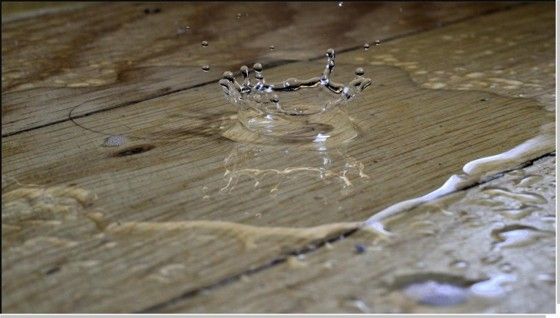
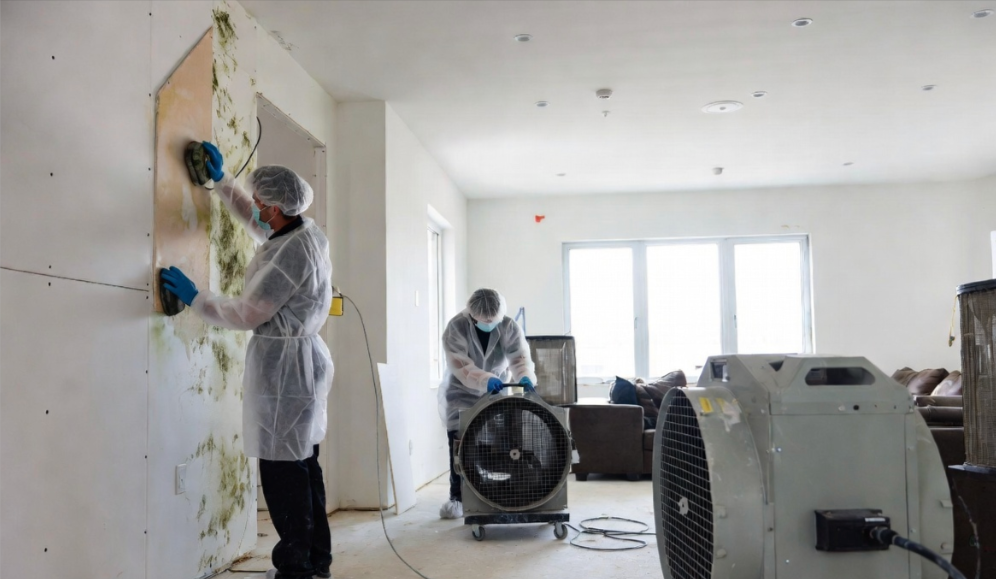
"Water Damage" is typically caused by excessive moisture from leaks, floods, or even high humidity. The sources can be varied: a burst pipe, a malfunctioning appliance, or even a natural disaster like a flood. If you live in Utah, you know that spring thaw can lead to unexpected water accumulation, making your home susceptible to this kind of damage.
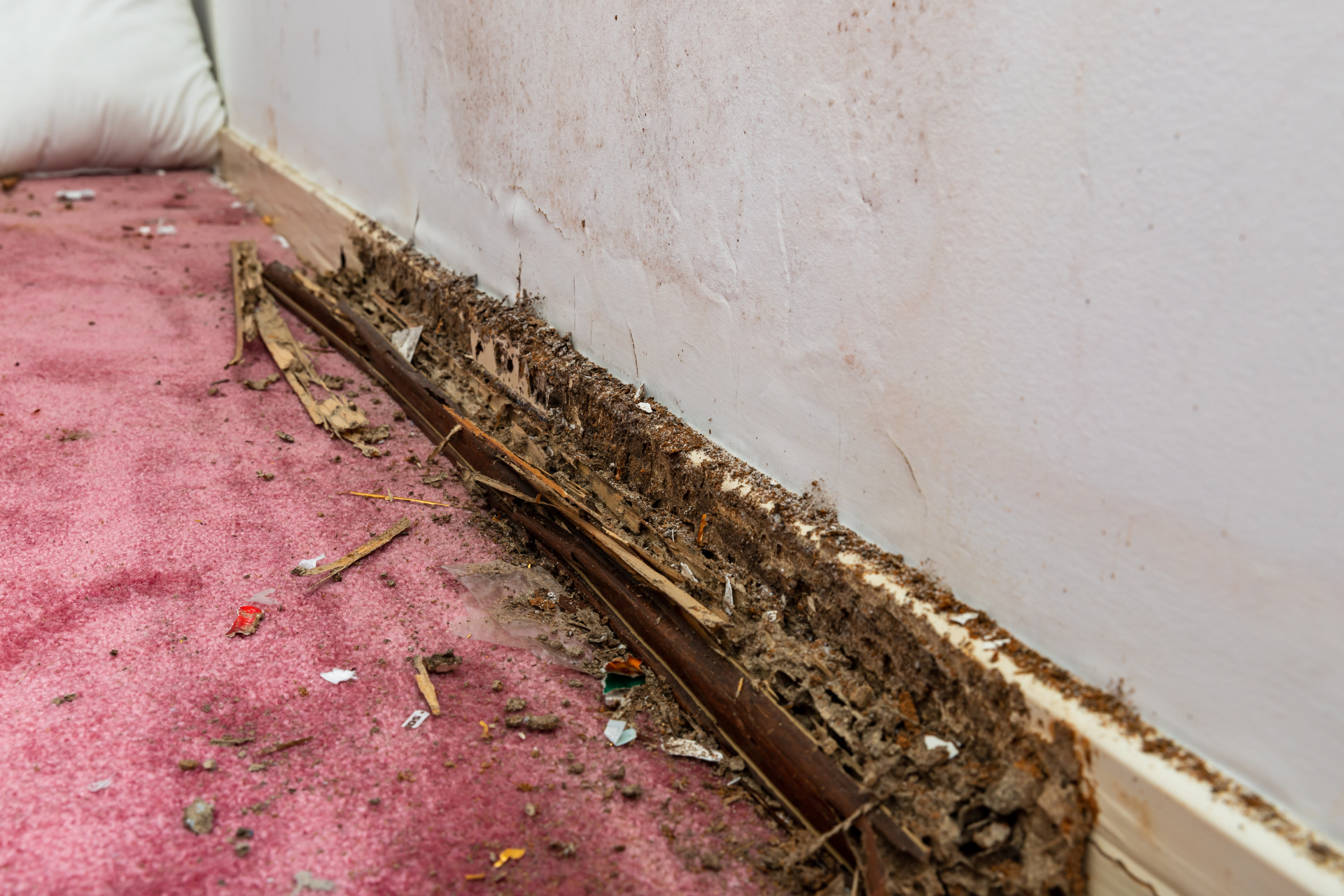
On the other hand, "Termite Damage" is the result of an infestation of these wood-eating pests. Termites thrive in warm, humid environments, and they can wreak havoc in surprisingly short periods. Within just two years, a colony can cause thousands of dollars in damage. The common culprit, the Eastern Subterranean termite, is known for its destructive appetite for wood and cellulose-based materials.
Warning Signs to Look For
Each type of damage comes with its own set of warning signs. For water damage, look out for:
- Stains on walls or ceilings
This usually indicates leaks behind the surface.
- Mold growth
Excess moisture creates a perfect environment for mold.
- Warped or buckling flooring
Wood can swell and distort when exposed to water.
With termite damage, you might notice:
- Mud tubes
Termites travel through these to reach food sources.
- Hollow-sounding wood
Tap on wood surfaces; if it sounds hollow, you might have termites gnawing away.
- Frass
This is the pest droppings that look like small wood-colored particles.
Cost of Repairs
When it comes to the cost of repairs, both water and termite damage can be substantial but vary in scope. Water damage repair can range significantly depending on severity, from a few hundred dollars for minor leaks to tens of thousands for extensive restoration. The cost often includes water extraction, drying, and repairs, plus potential mold remediation.
Conversely, termite damage repair can also be expensive. The average cost for treatment and repairs can run into thousands of dollars—not just for the extermination of termites but also for replacing damaged wood and structural components in your home.
Prevention is Key
Preventing water damage often involves routine home maintenance: regularly checking for leaks, ensuring proper drainage, and investing in sump pumps or water alarms. For termite prevention, consider:
- Regular inspections
Professional pest control services can set up routine checks.
- Seal cracks in your foundation
This can prevent termites from entering your home.
- Keep wood away from your home’s foundation
Store firewood and lumber at least 20 feet away from your property.
Conclusion
Whether you're facing the threat of water damage or termites, both require swift action to prevent further damage and costly repairs. At Utah Flood Guys, we specialize in managing water damage but understand the broader context of home maintenance. By staying vigilant and informed, you can protect your home from both water and termite damage. Have a concern? Let’s tackle it together!
You might also like
Utah Flood Guys Blog