Dealing with Fire Damage in Rented Properties: What Tenants and Landlords Need to Know
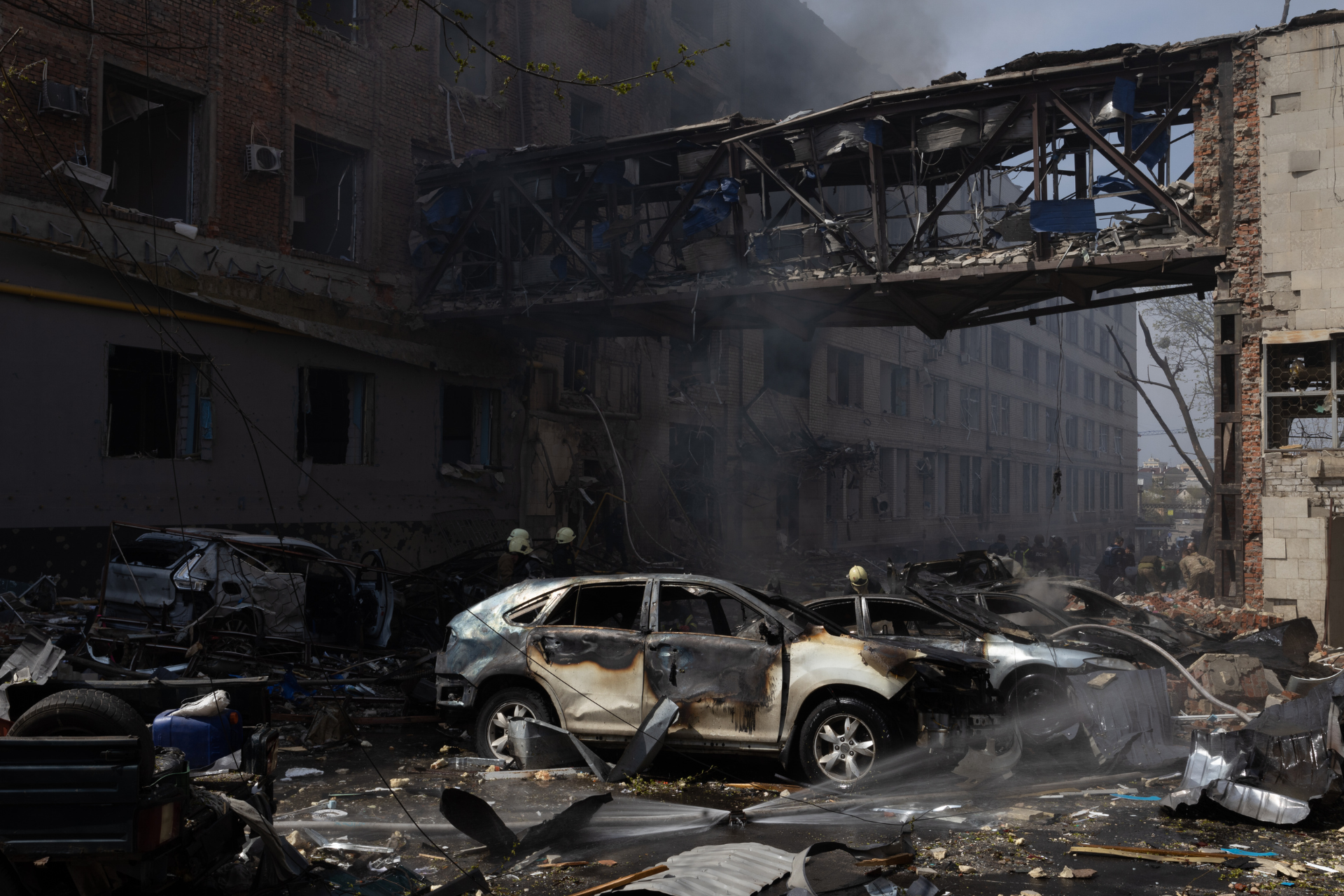
Fires can be devastating, leaving behind emotional scars and physical damage that can take time to heal. For those living in rental properties, navigating the aftermath of a fire presents unique challenges for both tenants and landlords. At Utah Flood Guys, we understand how overwhelming this can be, and we're here to guide you through understanding what to do next.
For Tenants: What You Should Do First
1. Stay Safe
Your safety comes first! If there's an active fire, call the fire department immediately and evacuate the property. Once it's safe, you can begin to assess the damage with your landlord or property manager.
2. Notify Your Landlord
As soon as possible, inform your landlord of the fire. They need to be aware to take the necessary steps for repairs and safety inspections. This communication is vital in ensuring both parties understand their responsibilities throughout the recovery process.
3. Document Everything
Take photos of the damage and create a list of any personal belongings that were lost. This information will be crucial for insurance claims. Keep copies of any correspondence with your landlord and your insurance company, too.
4. Contact Your Insurance Provider
If you have renters’ insurance, reach out to your provider ASAP. They may cover certain losses and help you with temporary housing if your living situation is uninhabitable. Even if you don’t have coverage, your landlord’s insurance may provide assistance.
5. Seek Temporary Housing
Depending on the extent of the damage, you may need to find alternative accommodation. Speak with your landlord about this situation. They might be able to offer a solution, whether it’s reducing rent or helping you find a short-term rental.
For Landlords: Your Responsibilities Post-Fire
1. Immediate Response
As the property owner, your first step should be to ensure that the area is safe. Coordinate with emergency services and avoid entering a compromised building until the authorities give the go-ahead.
2. Assess the Damage
After ensuring safety, evaluate the extent of the fire damage. Engage professionals like Utah Flood Guys to perform a thorough assessment. This can help identify structural damages that may not be immediately visible.
3. Communicate with Your Tenant
Maintain open lines of communication with your tenant. They’ll appreciate knowing what steps you're taking to address the fire incident. Keep them informed about repairs, timelines, and their options.
4. Check Insurance Policies
Review your property insurance policy to understand your coverage for fire damage. This may involve contacting your insurance agent to file a claim and document what lost revenue you may experience while repairs are undertaken.
5. Plan for Restoration
Partner with a reputable restoration company, like Utah Flood Guys, to address fire damage effectively. Professionals can help with everything from smoke damage removal to structural repairs, ensuring your property is safe and livable again.
Moving Forward
Fire damage can be a heavy burden to bear, but understanding the roles and responsibilities of both tenants and landlords can make the recovery process smoother. Whether you're dealing with damage yourself or navigating the concerns of a tenant, acting swiftly and maintaining open lines of communication is key.
At Utah Flood Guys, our mission is to help you through the restoration process. If you find yourself faced with fire damage, don’t hesitate to reach out to us for assistance. We’re dedicated to helping our community recover, rebuild, and get back to normal!
You might also like
Utah Flood Guys Blog