Will My Insurance Cover Water Damage?
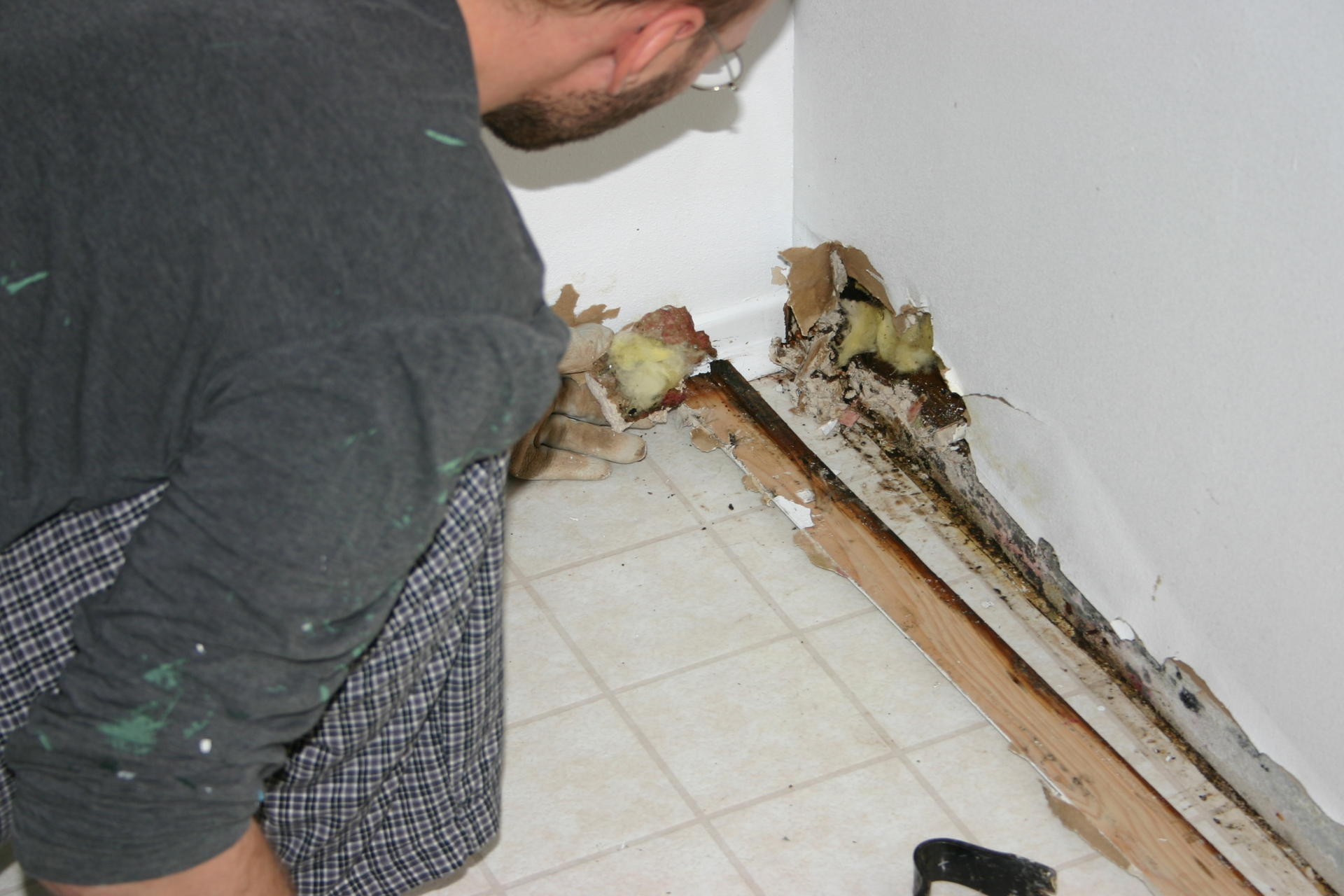
When unexpected water damage strikes your home or business, it can feel overwhelming and stressful. As a homeowner or business owner in Utah, you may find yourself wondering if your insurance policy will cover the costs of water damage restoration. At Utah Flood Guys, we understand the importance of having the right insurance coverage when disaster strikes. In this blog post, we will explore whether your insurance can help you recover from water damage and what steps you can take to ensure you are prepared for the unexpected.
Understanding Your Insurance Coverage
Insurance policies can vary greatly in terms of what they cover when it comes to water damage. It's important to review your policy carefully to understand the extent of your coverage. Typically, homeowners insurance will cover water damage caused by sudden and accidental events, such as a burst pipe or a malfunctioning appliance. However, coverage for water damage caused by flooding or sewer backups may require additional policies, such as flood insurance or sewage backup coverage.
Commercial property insurance policies also vary in terms of coverage for water damage. While some policies may cover water damage caused by leaks or burst pipes, others may exclude coverage for certain types of water damage. It's crucial for business owners to review their insurance policies and consult with their insurance provider to understand their coverage for water damage restoration.
Steps to Take After Water Damage
In the event of water damage to your property, it's essential to act quickly to minimize the damage and begin the restoration process. Here are some crucial steps to take after water damage occurs:
1. Safety First
Prioritize your safety and the safety of others by turning off electricity to the affected area and avoiding contact with standing water if there is a risk of electrical hazards.
2. Document the Damage
Take photos and videos of the water damage to provide evidence for your insurance claim. Keep a record of any damaged items and their value.
3. Contact Your Insurance Provider
Notify your insurance company as soon as possible to begin the claims process. Provide them with detailed information about the cause of the water damage and the extent of the damage.
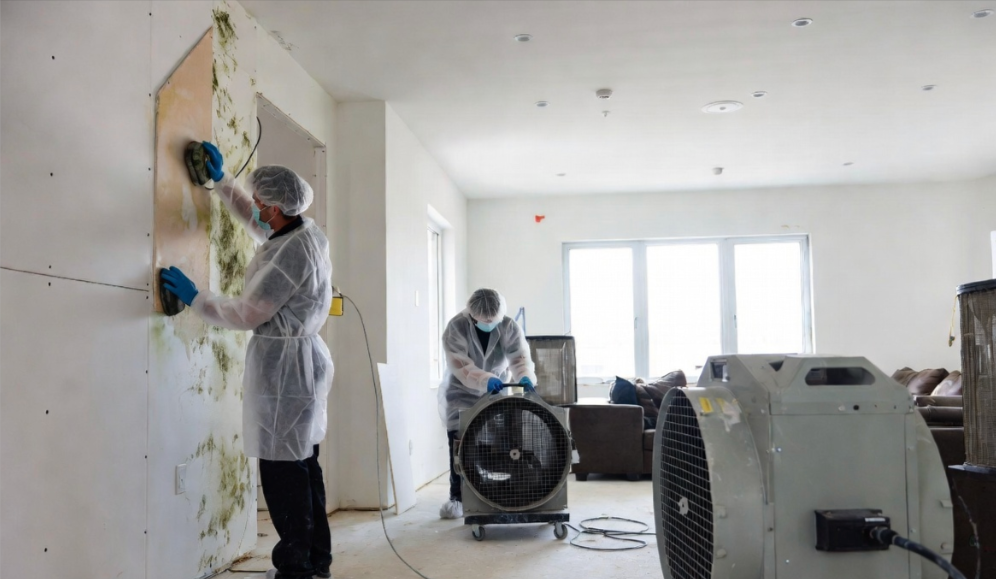
4. Work with a Professional Restoration Company
Partnering with a reputable restoration company like Utah Flood Guys can help ensure that the water damage is properly addressed and your property is restored to its pre-damaged condition.
Will Your Insurance Cover Water Damage?
Whether your insurance will cover water damage depends on the specific details of your policy and the cause of the damage. It's essential to review your policy and consult with your insurance provider to understand your coverage. In general, homeowners insurance typically covers water damage caused by sudden and accidental events, while flood insurance may be necessary for damage caused by flooding.
Commercial property insurance policies may also vary in terms of coverage for water damage, so it's crucial for business owners to review their policies and discuss their coverage with their insurance provider. By being proactive and prepared, you can ensure that you have the right insurance coverage in place to help you recover from water damage when disaster strikes.
In Conclusion
Water damage can be a significant challenge for homeowners and business owners in Utah. Understanding your insurance coverage and taking proactive steps to prepare for water damage can help you navigate the restoration process effectively. At Utah Flood Guys, we are here to help you recover from water damage and restore your property to its pre-damaged condition. Contact us today to learn more about our water damage restoration services and how we can assist you in your time of need.
You might also like
Utah Flood Guys Blog