Preventing Burst Pipes in Winter: A Utah Homeowner's Guide
Introduction:
As the chill of winter settles in Utah, homeowners need to be vigilant in safeguarding their properties against a common and potentially costly issue - burst pipes. When water freezes inside pipes, it expands, creating pressure that can cause pipes to burst and lead to significant water damage. At Utah Flood Guys, we understand the devastating effects of burst pipes and are here to provide you with a comprehensive guide on how to prevent this winter disaster from striking your home.
Why Pipes Burst in Winter:
Utah's cold winter temperatures are the main culprit behind burst pipes. When the mercury drops, the water inside your pipes can freeze if they are not properly insulated or protected. As water freezes, it expands, creating pressure that can cause pipes to crack or burst. This can result in flooding, water damage, and costly repairs. Understanding why pipes burst in winter is the first step in preventing this common household disaster.
Tips for Preventing Burst Pipes:
1. Insulate Your Pipes
Proper insulation is crucial in protecting your pipes from freezing temperatures. Insulate pipes in unheated areas such as basements, attics, and crawl spaces to prevent them from freezing. Pipe insulation sleeves or heat tape can be effective in keeping your pipes warm and reducing the risk of bursting.
2. Seal Cracks and Gaps
Cold drafts can cause exposed pipes to freeze more easily. Inspect your home for any cracks or gaps where cold air can seep in and reach your pipes. Seal these openings with caulking or insulation to keep your pipes warm and prevent freezing.
3. Maintain a Consistent Temperature
Keep your home at a consistent temperature, especially during cold snaps. Set your thermostat to at least 55 degrees Fahrenheit, even when you are away from home, to ensure that your pipes stay warm and prevent freezing.
4. Allow Faucets to Drip
On particularly cold nights, allow faucets connected to exposed pipes to drip slowly. Running water through the pipes helps prevent them from freezing by relieving pressure and keeping the water moving.
5. Open Cabinet Doors
During freezing weather, open cabinet doors under sinks to allow warm air to circulate around your pipes. This simple trick can help prevent pipes located along exterior walls from freezing.
What to Do If Your Pipes Burst
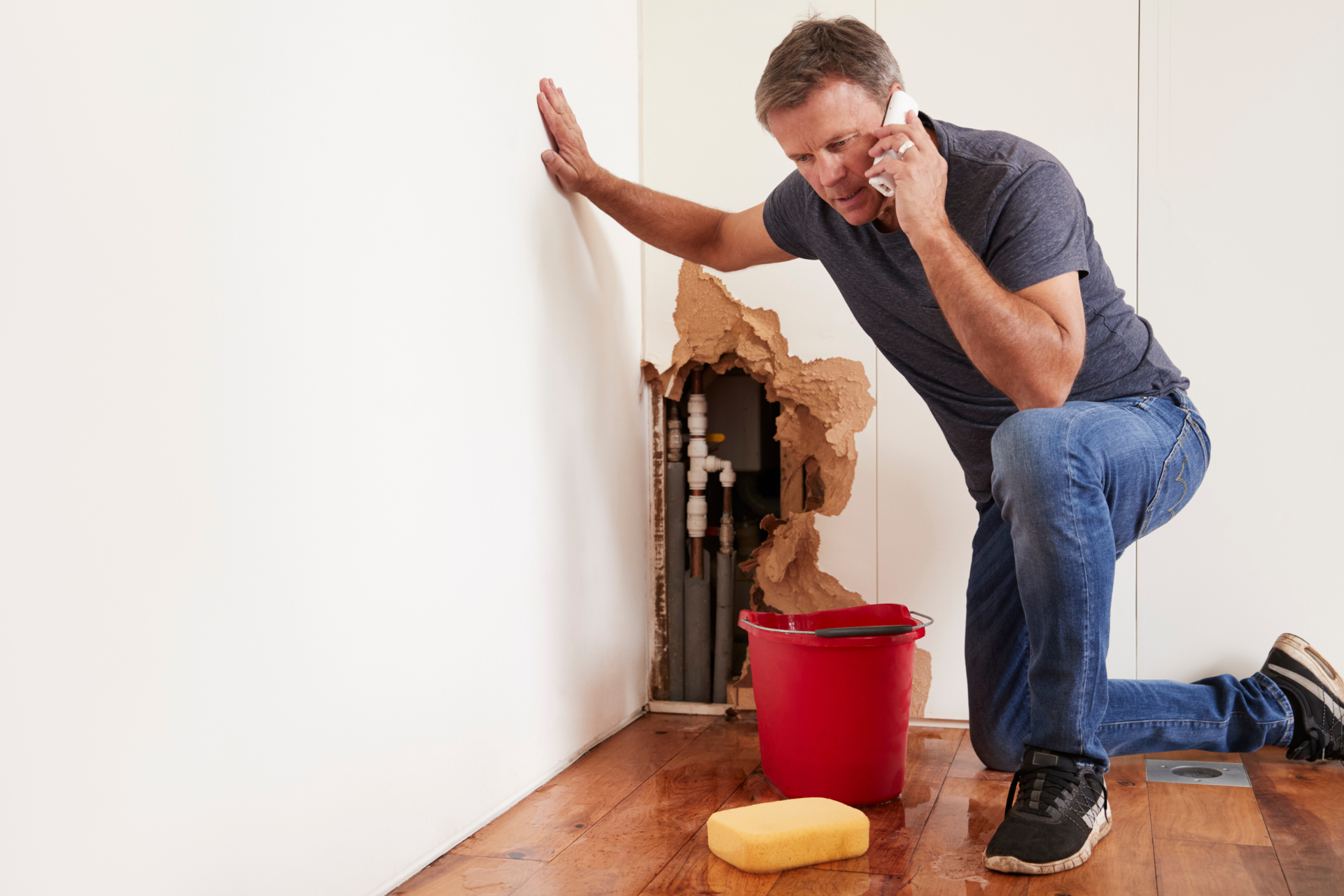
Despite your best efforts, pipes can still burst during extreme cold weather. If you discover a burst pipe in your home, follow these steps to minimize water damage and protect your property:
1. Turn off the Water
Shut off the main water supply to your home to stop the flow of water and prevent further damage.
2. Drain Your Pipes
Open faucets to allow water to drain from the affected pipes.
3. Call Utah Flood Guys
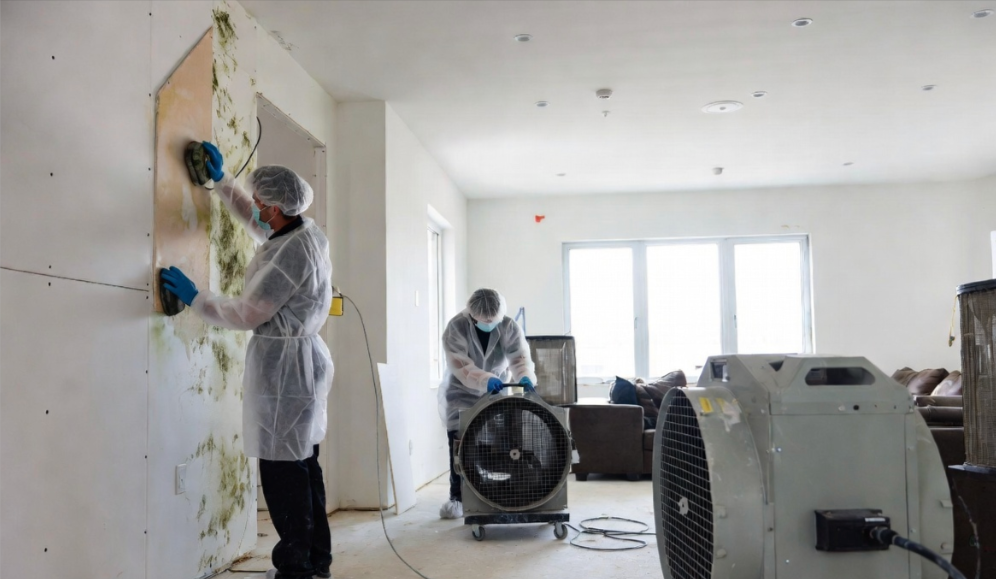
Contact our experienced team at Utah Flood Guys for prompt and professional water damage restoration services. We specialize in water extraction, drying, and mold remediation to help you restore your home quickly and effectively.
Conclusion:
Don't let burst pipes ruin your winter season. By taking proactive measures to prevent frozen pipes, you can protect your home from water damage and costly repairs. Utah Flood Guys is here to support you with expert restoration services in the event of a pipe burst or water damage emergency. Stay warm, stay safe, and keep your pipes protected this winter season.
You might also like
Utah Flood Guys Blog