Why Utah Homes Are Susceptible to Mold Growth and What to Do About It
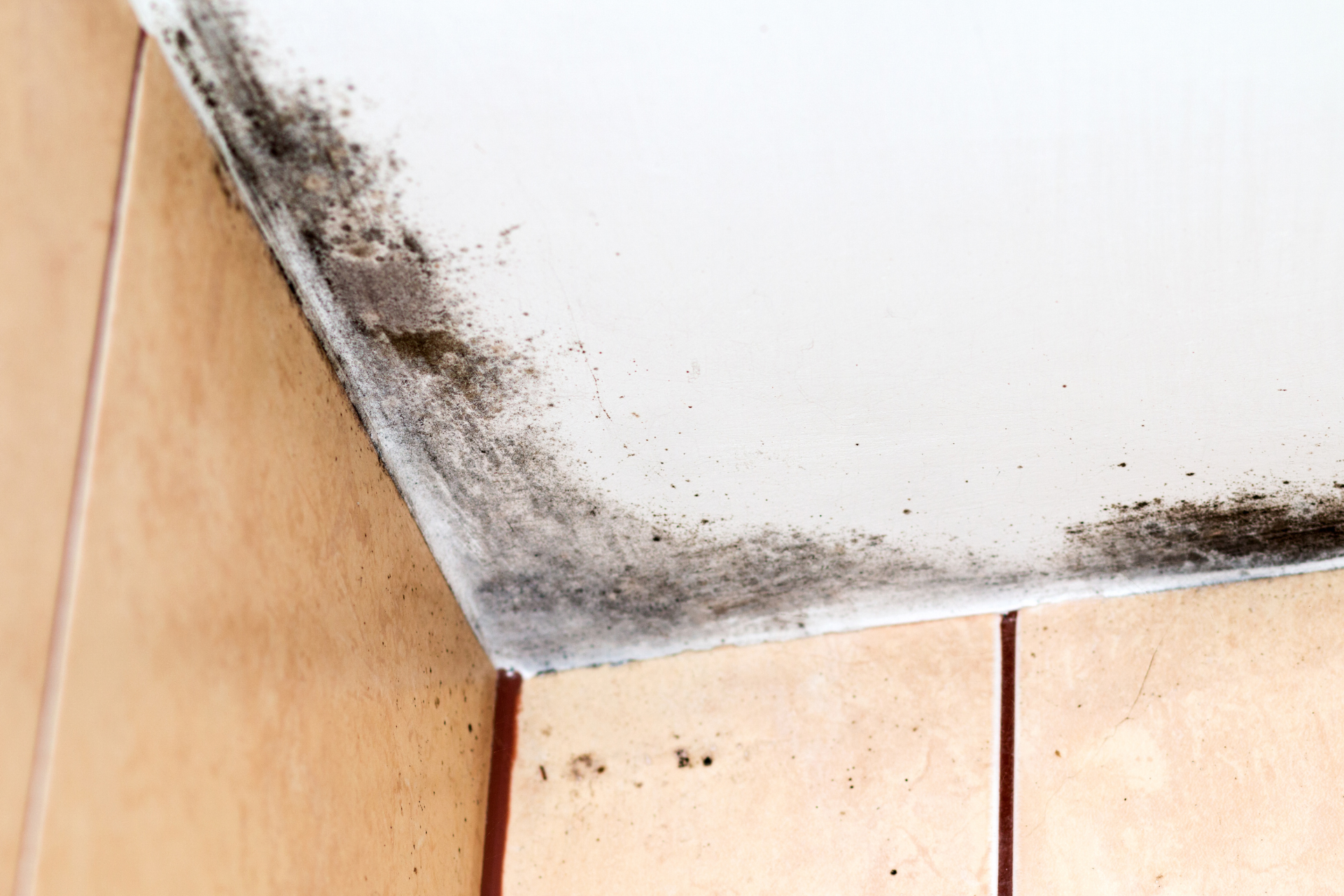
Utah is known for its stunning landscapes and outdoor adventures, but did you know that the unique climate conditions here can make homes vulnerable to mold growth? At Utah Flood Guys, we often see the impact of mold in residential and commercial properties across the state. Understanding why mold thrives in certain environments and what you can do to prevent it can save you a lot of headaches and headaches down the road!
The Mold Problem in Utah
One of the biggest contributors to mold growth in Utah homes is the weather. While the state is famous for its dry climate, we also experience significant fluctuations between dry and wet seasons. When heavy snowfall in winter melts quickly, or when we have unexpected rain during the summer months, the moisture can seep into your home. If left unchecked, this moisture creates the perfect breeding ground for mold, especially in areas like basements, attics, and around windows where condensation tends to build up.
Additionally, many Utah homes are built with materials that can absorb moisture, including wood and drywall. Once these materials become damp, mold can start to grow within 24 to 48 hours. The mountain atmosphere, with its high elevation and colder nights, can also contribute to condensation, particularly in poorly insulated spaces. So, when humidity does increase, it's crucial to keep an eye on those less visible areas of your home.
Signs of Mold
Mold can often go unnoticed until it becomes a more significant issue. Keep an eye out for these telltale signs in your home:
- Musty Odors
A persistent, earthy smell can indicate the presence of mold, even if you can’t see it.
- Visible Growth
You might spot mold as green, black, or white spots on walls, ceilings, or around window frames.
- Water Damage
Pay attention to any staining or discoloration on your walls or ceilings, which can signal moisture problems.
- Health Issues
Unexplained allergies, respiratory issues, or skin irritations in your household could be linked to mold exposure.
Prevention is Key
Preventing mold growth starts with controlling moisture levels in your home. Here are some effective strategies:
1. Improve Ventilation
Ensure your home has good airflow. Use exhaust fans in high-moisture areas like kitchens and bathrooms, and consider installing vents in attics.
2. Dehumidify
Keep indoor humidity levels below 60%. You can use dehumidifiers in damp areas like basements and laundry rooms.
3. Fix Leaks
Regularly inspect your plumbing, roof, and exterior walls for leaks or damage. Early detection is critical in preventing moisture accumulation.
4. Insulate
Proper insulation can help keep your home at a stable temperature and reduce condensation.
5. Routine Cleaning
Regularly clean and check spots prone to mold growth, like bathrooms and under sinks. Using mold-resistant cleaning products can help too.
When to Call the Pros
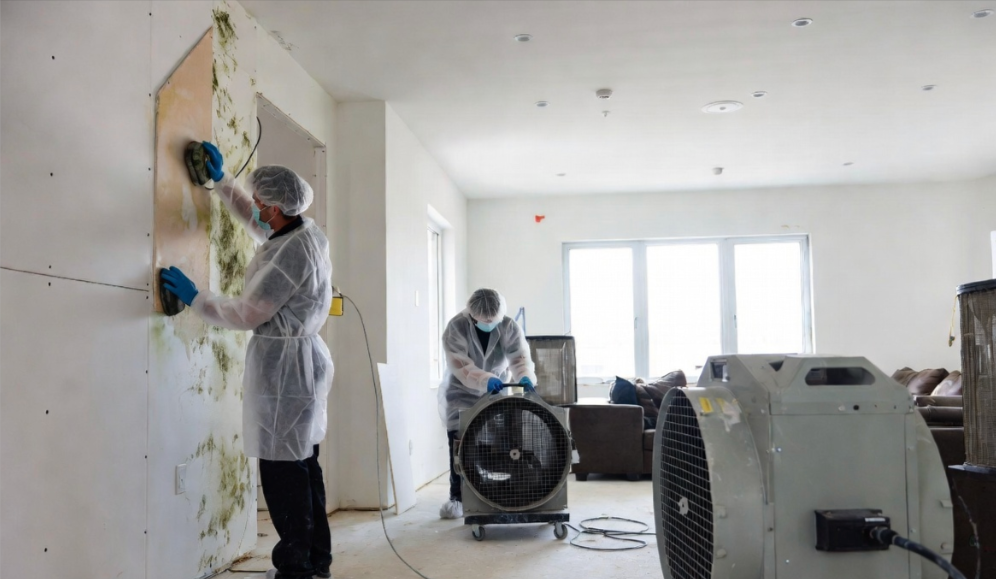
If you do discover mold or suspect that you have a larger problem, it’s best to consult with professionals like us at Utah Flood Guys. Mold outbreaks can quickly worsen and lead to more severe health issues and structural damage over time. Our team is trained to handle water damage, mold removal, and fire damage restoration, ensuring that your home is safe and healthy.
In conclusion, while Utah’s climate can make homes prone to mold growth, knowing the signs and taking proactive steps can save you a lot of trouble. Remember, if you ever find yourself facing a mold problem, don’t hesitate to reach out to Utah Flood Guys. We’re here to help you reclaim your space and restore your peace of mind!
You might also like
Utah Flood Guys Blog