Why Mold Keeps Coming Back and How to Stop It

If you’ve ever battled mold in your home or business, you know how frustrating it can be. Just when you think you’ve tackled the problem, it seems to come right back, often in the same spots. It’s a cycle that can drive anyone crazy. So, why does mold keep returning, and what can you do to stop it for good? Here at Utah Flood Guys, we're here to shed some light on this pesky issue and provide you with some practical solutions.
Understanding Mold Growth
Mold is a type of fungus that thrives in damp environments. It reproduces through tiny spores that float in the air and can settle on various surfaces. When mold spores land on a moist area, they can multiply rapidly. Unfortunately, many people fall into the trap of thinking they've eliminated the issue simply by cleaning the visible mold. However, mold has a sneaky way of hiding in spaces you can’t see, and it doesn’t take much moisture for it to come back.
Common Reasons Mold Returns
1. Inadequate Cleaning
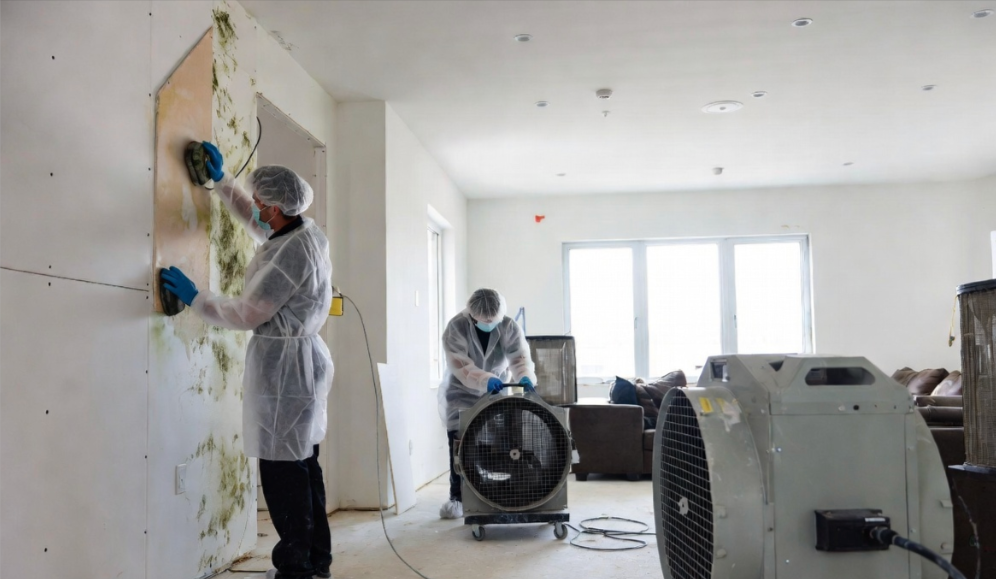
Mold can often grow in places that aren’t effectively cleaned, such as behind walls, under carpets, or in HVAC systems. If you don’t get to the root of the problem, mold is likely to return.
2. Moisture Issues
The persistent presence of moisture is the primary reason mold thrives. If you’ve had a leak, improper ventilation, or high humidity levels in your property and don’t address these issues, mold will find a way back.
3. Poor Repairs
If mold was treated once, but the underlying causes—like leaks or condensation—were not fixed, mold will return with a vengeance. Proper remediation involves more than just cleaning the visible mold; it requires addressing the source of moisture.
4. Lack of Airflow
Mold loves stagnant air. Areas with little to no airflow, like basements and crawl spaces, can become breeding grounds for mold if they are not properly ventilated.
How to Stop Mold for Good
1. Identify and Fix Moisture Problems
The first step to preventing mold is to identify where the moisture is coming from. Check for leaks in plumbing, roofs, and windows. Consider a dehumidifier if humidity levels in your area are high.
2. Seal and Insulate
Cracks and gaps in your home can let in moisture. Sealing these areas and adding insulation in vulnerable spots can prevent moisture accumulation and mold growth.
3. Improve Ventilation
Ensure adequate airflow in your home, especially in higher humidity areas like bathrooms and kitchens. Installing exhaust fans can dramatically reduce moisture levels and create a less favorable environment for mold growth.
4. Regular Cleaning and Maintenance
Regularly clean areas prone to mold, such as bathrooms and kitchens. Use mold-resistant products for added protection, and don’t forget to check less obvious places like air ducts and attics.
5. Professional Help
Sometimes, mold becomes too much to handle on your own. At Utah Flood Guys, we specialize in mold removal and water damage restoration. Our team can help identify hidden mold and the sources of moisture, ensuring your space is completely restored.
Conclusion
Dealing with mold can feel like a never-ending battle, but with the right strategies, you can stop it from returning. By addressing moisture issues, improving ventilation, and getting professional help when needed, you can enjoy a mold-free environment once and for all. Remember, at Utah Flood Guys, we’re just a call away for all your restoration needs!
You might also like
Utah Flood Guys Blog