What to Do in The First 24 Hours After Water Damage
Water damage can feel overwhelming, but quick action is key. If you find yourself facing water damage in your home or business, don’t panic! The first 24 hours are crucial for minimizing damage and ensuring a safer, faster recovery. Here’s a helpful guide on what to do in those critical moments, straight from your friends at Utah Flood Guys.
1. Ensure Your Safety First
Before you dive into assessing the damage, your safety must come first. Turn off the electricity in the affected areas to avoid electrical hazards. If flooding is severe, it might be best to stay clear of the area entirely. If you can, wear protective gear such as rubber gloves and boots, which will help keep you safe when dealing with contaminated water.
2. Identify the Source and Stop It
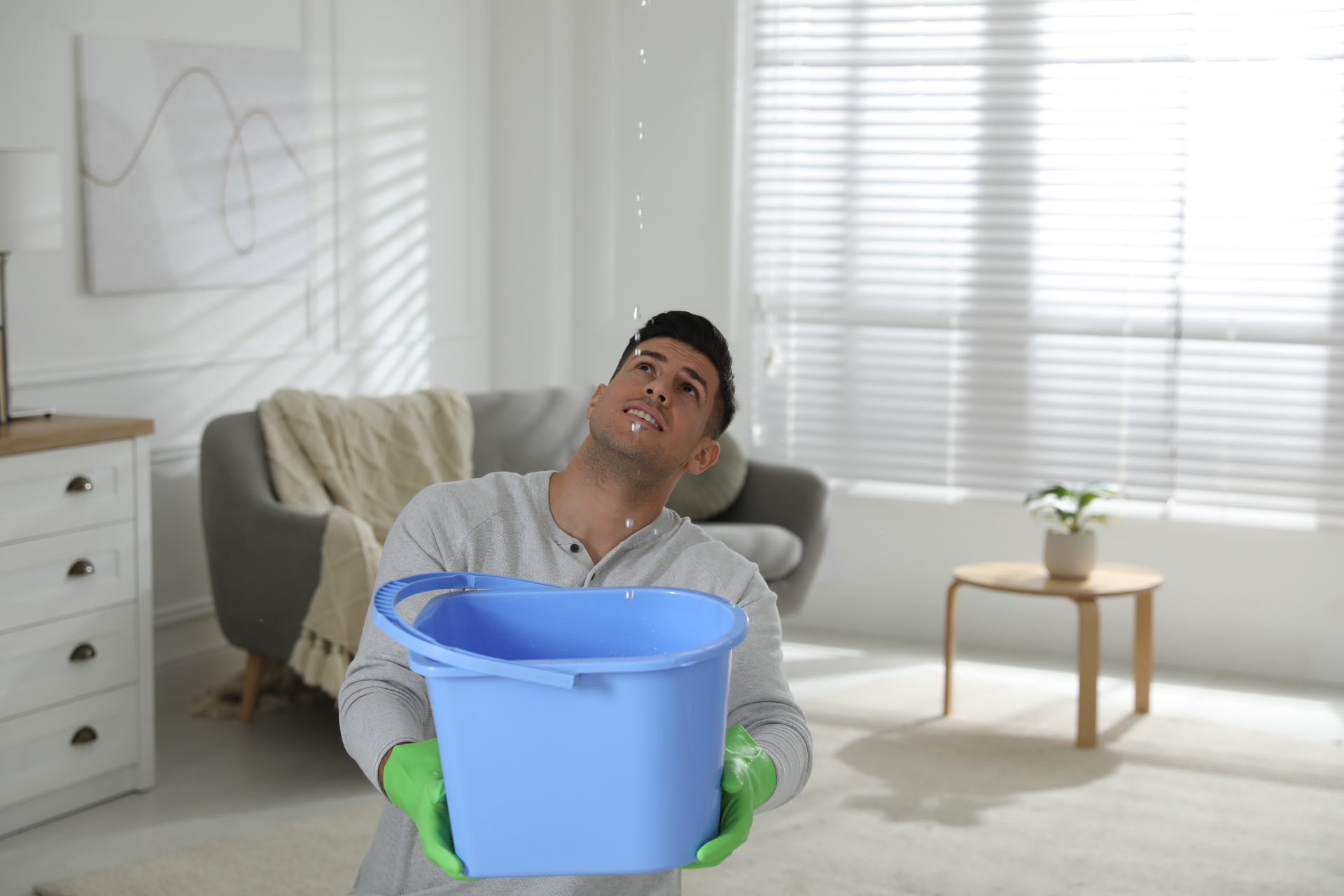
Next, figure out where the water is coming from. Is it a burst pipe, an overflowing bathtub, or perhaps a leaky roof? If it’s safe to do so, attempt to stop the flow of water. For instance, you can turn off the main water supply or unclog drains. Remember, knowing the source is vital for preventing future issues.
3. Document the Damage
Once you’ve ensured safety and stopped the water, document the damage for both your records and your insurance company. Take clear photographs and videos of the affected areas, items, and structures. This documentation can be crucial for filing an insurance claim later, so be thorough.
4. Remove Excess Water
If the water level is manageable, start removing excess water as soon as possible. Use a wet/dry vacuum if you have one or towels to soak up the water. The faster you can reduce the moisture levels, the less chance there is for mold to develop. Just remember to keep safety a priority and don’t try to lift heavy furniture or fixtures alone.
5. Dry Out Affected Areas
After you’ve removed as much water as possible, it’s time to dry the affected spaces. Open windows and doors to promote airflow and, if the weather permits, use fans or dehumidifiers to hasten the drying process. Be mindful of any surfaces that might retain moisture, such as carpets, drywall, or insulation, and remove these as needed.
6. Inspect for Hidden Moisture and Mold
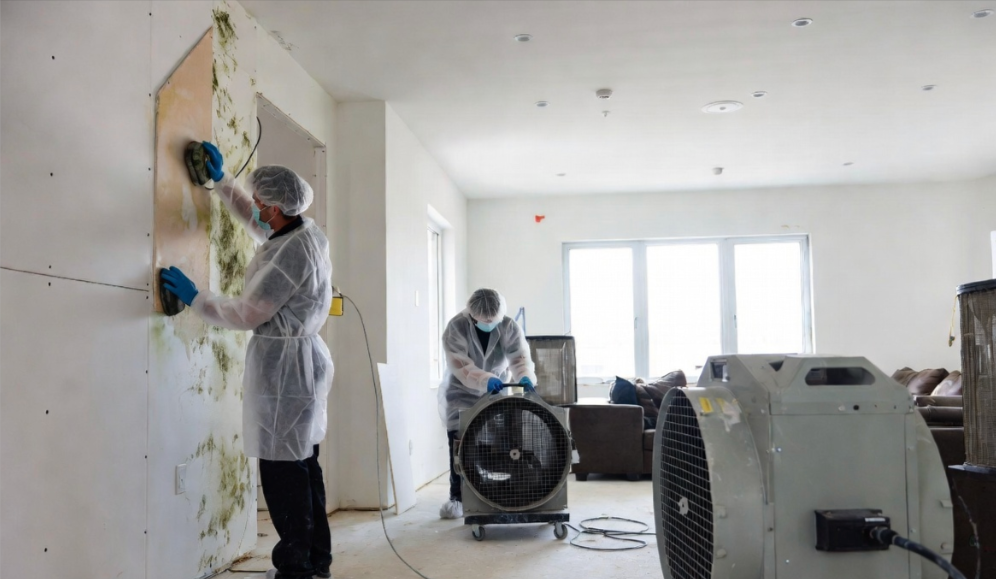
Water can seep into areas that aren’t immediately visible, so it's essential to inspect thoroughly. Look for signs of mold growth, which can develop in as little as 24 hours in damp conditions. If you notice any mold or suspicious dampness, it’s a good idea to call in professionals, like the experts at Utah Flood Guys, who have the tools and experience to deal with these issues safely.
7. Contact Professionals
Finally, once you've tackled the initial steps, reach out to a restoration company. With their expertise, Utah Flood Guys can help assess the full extent of the damage, conduct deep cleaning, and provide mold remediation services if necessary. Remember, professional help is invaluable, especially if you're facing structural issues or extensive water damage.
Taking swift action in the aftermath of water damage can significantly reduce future repair costs and health risks. By prioritizing safety, documenting damage, and getting professional help, you’ll be on the right path to recovery. For further assistance, don’t hesitate to contact Utah Flood Guys – we’re here to support you every step of the way!
You might also like
Utah Flood Guys Blog