Signs of Hidden Water Damage in Your Basement
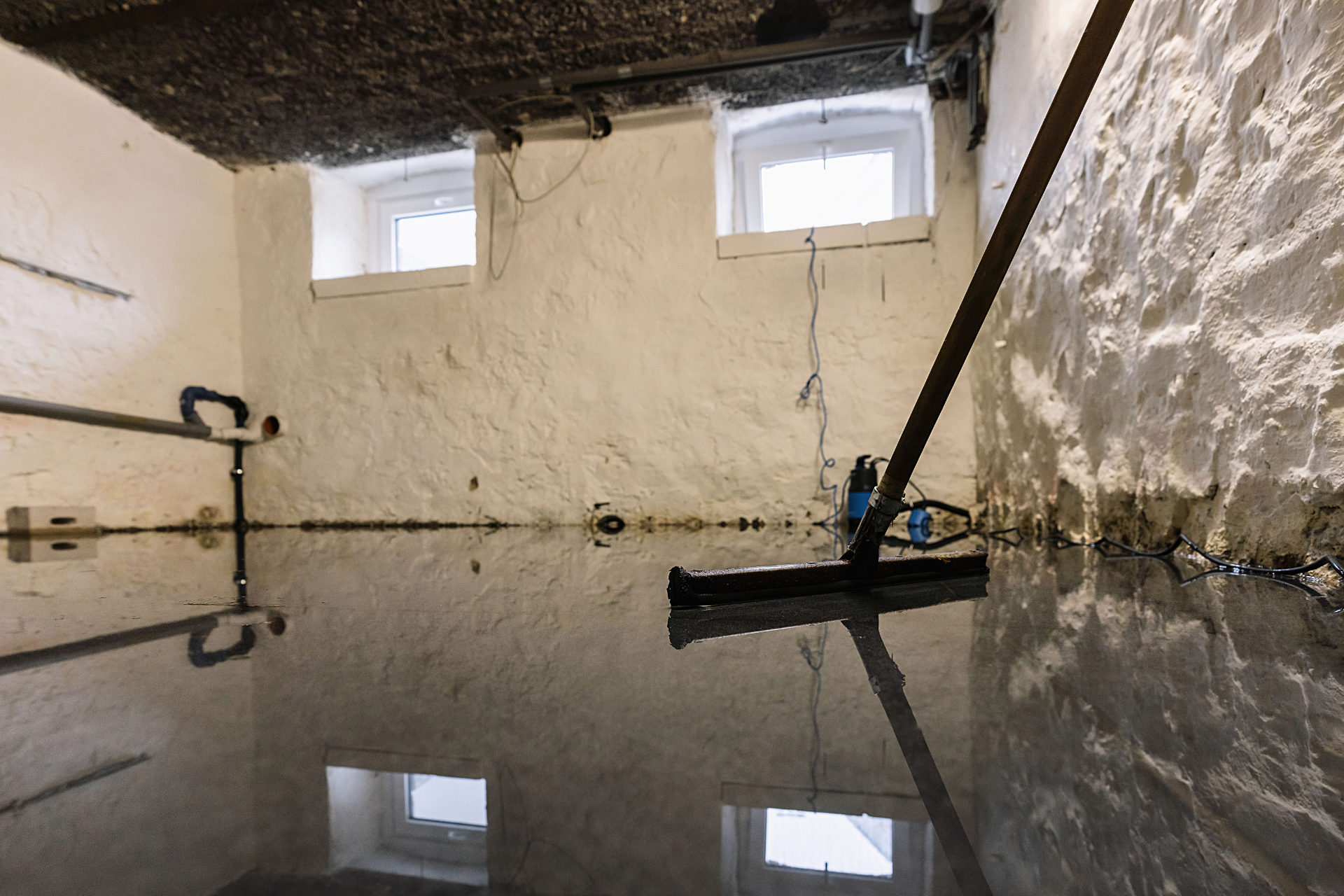
When it comes to home maintenance, we often focus on the obvious; we check our roofs, clean our gutters, and inspect our plumbing. However, one area that is frequently overlooked is the basement. As a space often below ground level, it can harbor hidden water damage that, if left unchecked, may lead to serious issues. At Utah Flood Guys, we want to help you recognize the early signs of hidden water damage, ensuring you can address any problems before they escalate.
1. Unpleasant Odors
One of the first telltale signs of hidden water damage is an unpleasant, musty odor. This odor often arises from mold and mildew, which thrive in damp environments. If you notice a persistent smell that you can’t quite place, it may be time to investigate further. Even if you don’t see visible mold, it could be lurking behind walls, under floors, or in other concealed spaces as a result of unseen leaks.
2. Discoloration on Walls and Ceilings
Keep an eye out for any discoloration on your basement walls or ceilings. Yellow or brown stains can indicate that water is seeping in from an outside source. Even if the wet area appears small, it’s crucial to treat it seriously; water damage can spread quickly and lead to costly repairs. If you see any darkening or blistering paint, it’s a strong sign that water is present where it shouldn’t be.
3. Peeling or Bubbling Paint
Another significant indicator of hidden water damage is the condition of your paint. If you find that paint is peeling, bubbling, or cracking, it could suggest that moisture is building up underneath the surface. This not only affects aesthetic appeal but often points to a more profound issue that needs urgent attention.
4. Warped or Buckled Flooring
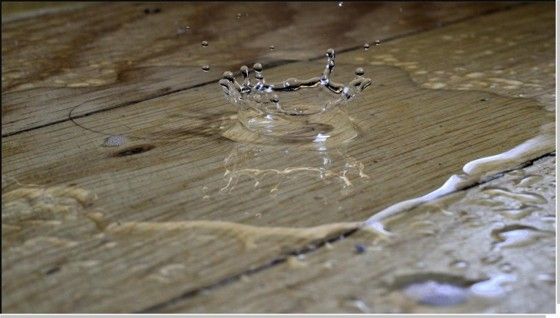
Take a moment to check your basement floor as well. If you notice any warped or buckled sections of flooring, it could mean that moisture has infiltrated the subfloor. Whether your floor is made of wood, laminate, or tile, any change in its shape can signal lurking water damage that needs to be addressed.
5. Increased Humidity
Basements are usually more humid than the rest of the house, but if you start to feel a noticeable increase in humidity or encounter condensation on walls and windows, it’s a sign that water is present. Investing in a hygrometer can help you monitor humidity levels. Ideally, you want to keep levels below 60% to prevent damage and mold growth.
6. Visible Mold Growth
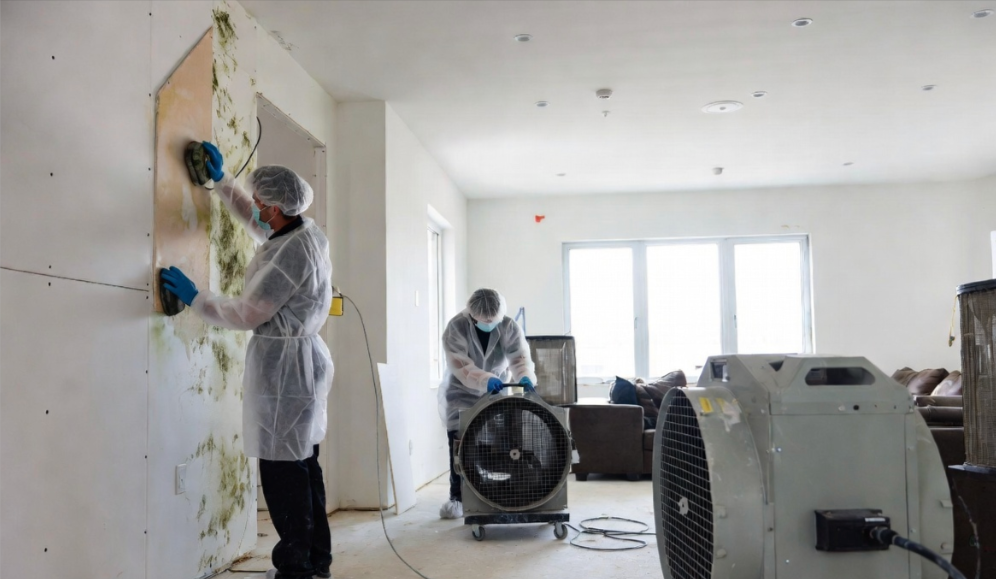
Of course, if you see visible mold, it’s a red flag you can’t ignore. Whether it’s black, green, or fuzzy patches, mold growth often signifies underlying moisture problems. Mold not only poses health risks but can also create a more extensive issue if not tackled promptly.
Conclusion
Recognizing the signs of hidden water damage in your basement can save you time, money, and stress in the long run. If you suspect you might have a water intrusion issue, don’t hesitate to reach out to the experts at Utah Flood Guys. Our dedicated team is here to help you navigate the restoration process, ensuring your home remains safe and comfortable. With prompt action and the right assistance, you can protect your basement and your home from the dangers of water damage!
You might also like
Utah Flood Guys Blog