Water Damage Insurance Claims: Dos and Don’ts
Hey there, folks! Dealing with water damage at your home or business can be a real headache, but knowing how to navigate through the insurance claim process can make a world of difference. Here at Utah Flood Guys, we’ve seen it all when it comes to water damage restoration and insurance claims. In this blog post, we’ll go over some important dos and don’ts to keep in mind when filing water damage insurance claims. Let’s dive right in!
Dos:
1. Document Everything
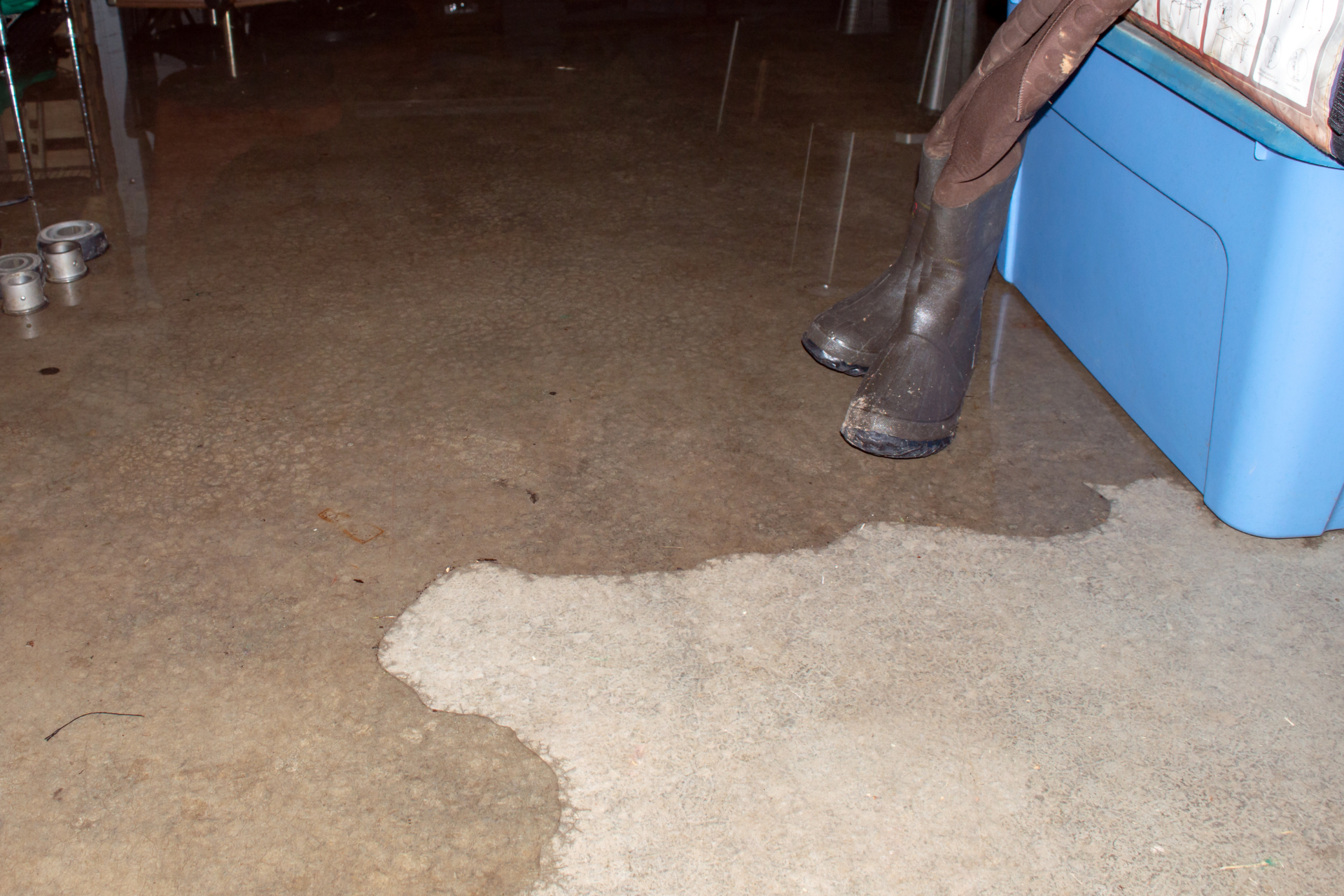
One of the most important things you can do when dealing with water damage is to document everything. Take photos and videos of the affected areas before you start any cleanup efforts. This documentation will serve as crucial evidence for your insurance claim.
2. Contact Your Insurance Company ASAP
As soon as you discover water damage, get in touch with your insurance provider. They will guide you through the claims process and let you know what steps to take next.
3. Mitigate Further Damage
It’s essential to take immediate action to mitigate further damage. This could include drying out the affected areas, removing standing water, and securing the property to prevent any additional issues. Remember to keep receipts for any expenses related to this mitigation work.
4. Hire a Professional Restoration Company
When it comes to water damage restoration, DIY efforts may not be enough. Hiring a reputable restoration company like Utah Flood Guys ensures that the cleanup and restoration process is done thoroughly and correctly. Plus, they can assist you with the insurance claim process.
5. Review Your Policy
Take the time to review your insurance policy to understand what is covered and what is not. Knowing the scope of your coverage will prevent any surprises down the line.
Don’ts:
1. Don’t Delay Filing Your Claim
Time is of the essence when it comes to water damage. Waiting too long to file your insurance claim can result in delays or even denial of coverage. Act quickly to get the process started.
2. Don’t Ignore Safety Precautions
Water damage can create hazardous conditions in your home or business. Avoid entering flooded areas without proper protective gear and turn off electricity to prevent any electrical hazards.
3. Don’t Discard Damaged Items Prematurely
Your insurance adjuster may need to inspect the damage before you dispose of any items. Hold off on throwing things away until you get the green light from your insurance company.
4. Don’t Accept the First Settlement Offer
Insurance companies may try to lowball you with their initial settlement offer. Don’t be afraid to negotiate or seek assistance from a public adjuster to ensure you are getting fair compensation for your damages.
5. Don’t Go Through It Alone
Dealing with water damage and insurance claims can be overwhelming. Reach out to a professional restoration company like Utah Flood Guys for guidance and support throughout the process.
Remember, having the right information and support can make a world of difference when it comes to water damage insurance claims. By following these dos and don’ts, you’ll be better equipped to navigate the process successfully. Stay safe and dry, everyone!
For expert water damage restoration services in Utah, contact Utah Flood Guys today. We’re here to help you through any water damage, mold removal, or fire damage situation.
You might also like
Utah Flood Guys Blog