Preventing Mold Growth in Basements and Crawl Spaces
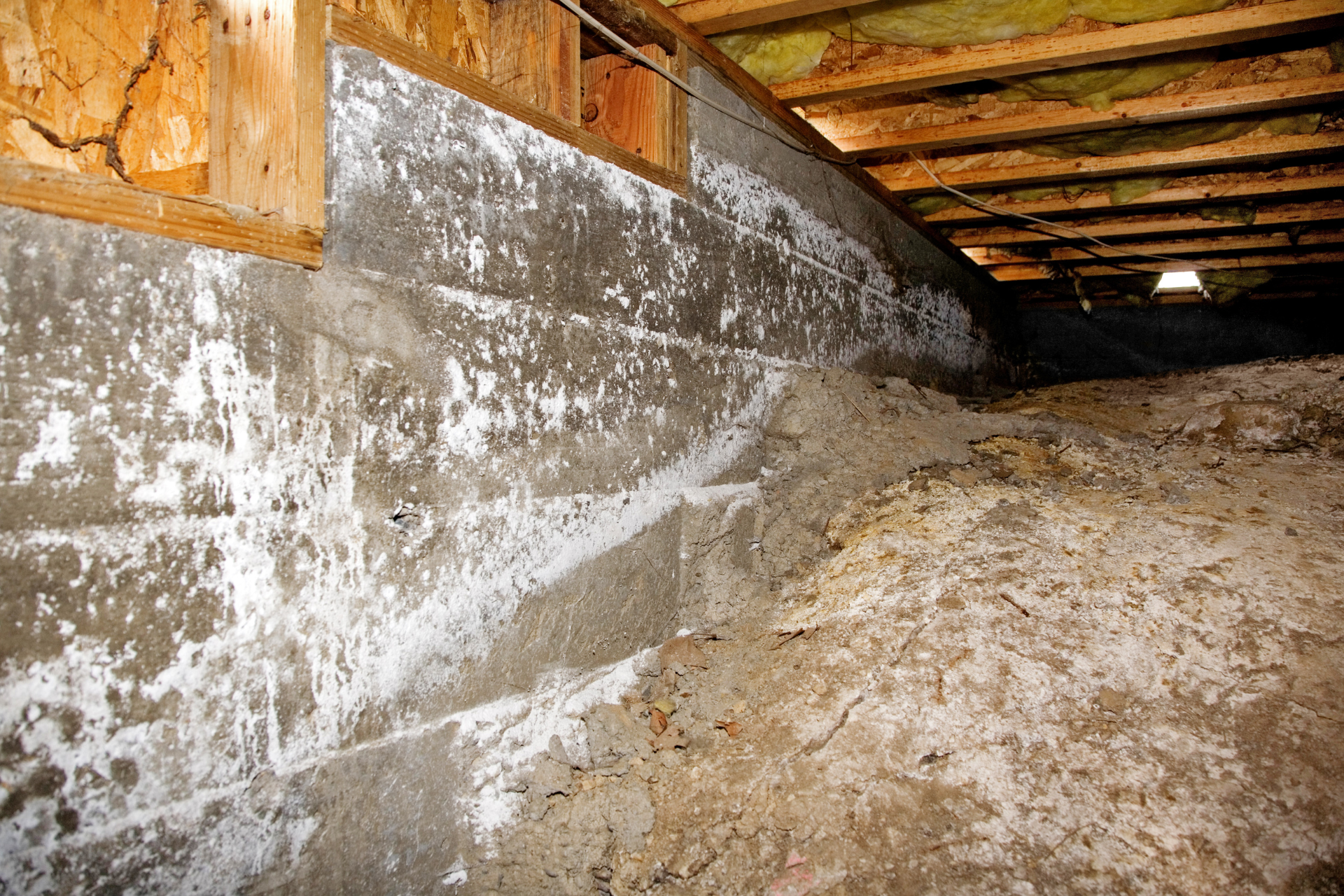
Welcome to another informative blog post from Utah Flood Guys, your go-to restoration company in Utah for all your water damage, mold removal, and fire damage needs. Today, we'll be discussing a common issue many homeowners face: mold growth in basements and crawl spaces. Mold is not only unsightly, but it can also pose serious health risks to you and your family. Let's explore some practical tips for preventing mold growth in these areas of your home.
Basements and crawl spaces are prime breeding grounds for mold due to their damp, dark, and often poorly ventilated conditions. To keep mold at bay, it's essential to take proactive measures to control moisture levels in these areas. Here are some tips to help you prevent mold from taking hold in your basement and crawl spaces:
1. Identify and Fix Water Leaks
The first step in preventing mold growth is to identify and address any sources of water leaks or seepage in your basement or crawl space. Inspect your foundation, walls, and plumbing for signs of water intrusion, such as damp spots, water stains, or musty odors. Fix any leaks promptly to prevent moisture buildup.
2. Improve Ventilation
Proper ventilation is crucial for controlling humidity levels in basements and crawl spaces. Make sure these areas are well ventilated by installing vents, fans, or dehumidifiers. This will help to reduce moisture in the air and inhibit mold growth.
3. Maintain Gutters and Downspouts
Clogged gutters and downspouts can lead to water pooling around your home's foundation, which can seep into your basement or crawl space. Keep your gutters clean and free of debris to ensure proper drainage away from your home.
4. Seal Cracks and Gaps
Check for cracks, gaps, and openings in the walls, floors, and foundation of your basement or crawl space. Seal any gaps with sealant or caulk to prevent moisture from entering and creating a conducive environment for mold growth.
5. Use Mold-Resistant Materials
When renovating or finishing your basement or crawl space, opt for mold-resistant materials such as mold-resistant drywall, paint, and insulation. These materials are designed to inhibit mold growth and can help protect your home from mold damage.
6. Monitor Humidity Levels
Invest in a hygrometer to monitor the humidity levels in your basement and crawl space. Ideally, you want to keep humidity levels below 60% to prevent mold growth. If humidity levels are consistently high, use a dehumidifier to help regulate moisture.
7. Clean and Declutter Regularly
Clutter and debris in your basement and crawl space can provide hiding spots for mold spores. Keep these areas clean and clutter-free by regularly cleaning and organizing items stored in these spaces.
By taking these proactive steps to prevent mold growth in your basements and crawl spaces, you can protect your home and family from the potential dangers of mold. Remember, if you suspect mold growth in your home, it's essential to act quickly and enlist the help of professionals like Utah Flood Guys for safe and effective mold removal services.
For all your water damage, mold removal, and fire damage restoration needs in Utah, trust the experts at Utah Flood Guys to provide prompt, reliable, and quality service. Contact us today to schedule an inspection or consultation. Stay tuned for more helpful tips and insights on disaster cleanup and restoration from your trusted partners at Utah Flood Guys.
Stay safe and mold-free!
You might also like
Utah Flood Guys Blog