Water Damage and Electrical Systems: Handling electrical issues after water damage
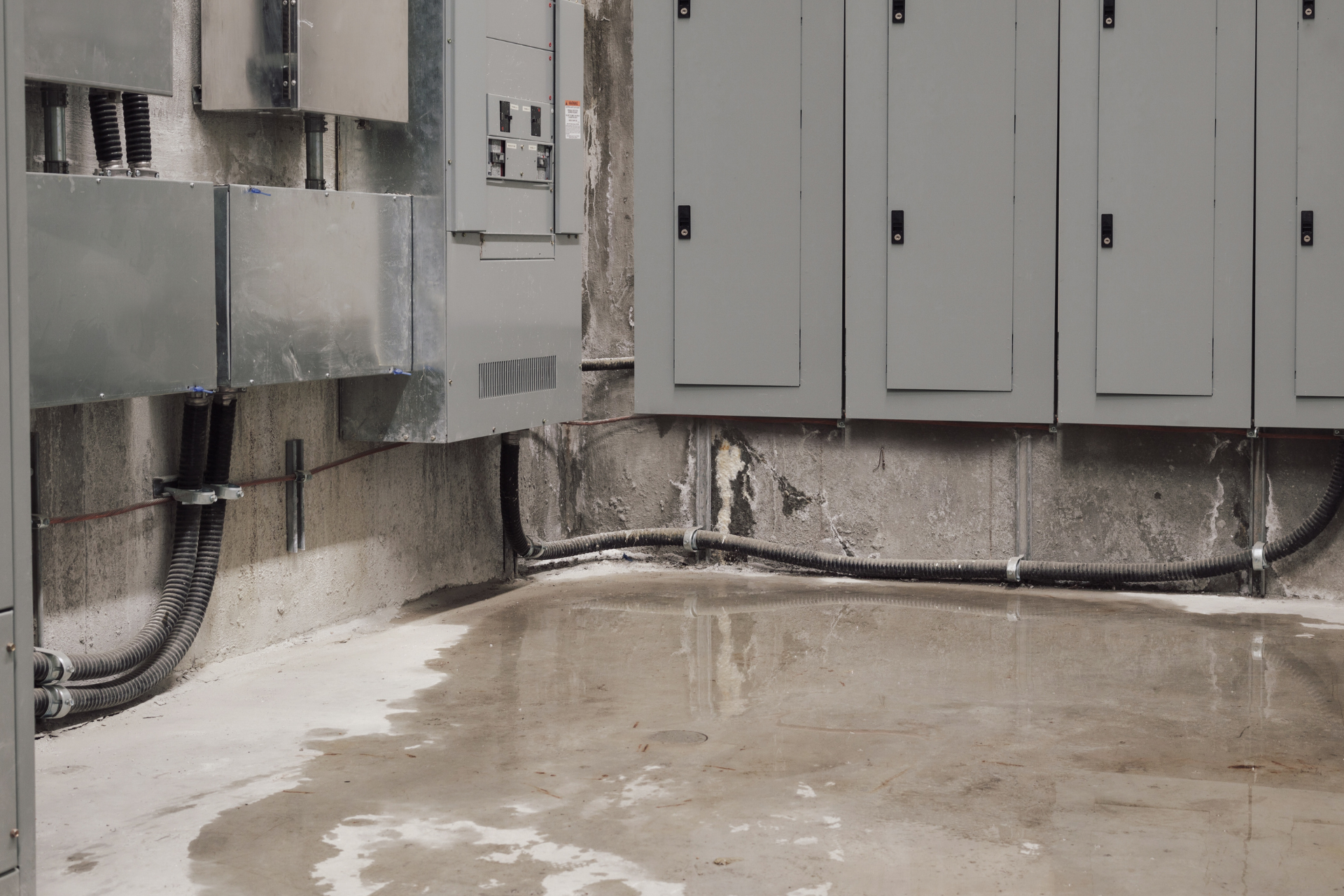
Water damage can wreak havoc on a property, causing extensive damage to structures and belongings. But one often overlooked aspect of water damage is its impact on electrical systems. Water and electricity are a dangerous combination, and when they come into contact, it can lead to serious safety hazards and long-term damage. In this blog post, we’ll explore the importance of addressing electrical issues after water damage and provide helpful tips on how to handle them effectively.
Utah Flood Guys: Your Trusted Restoration Partner
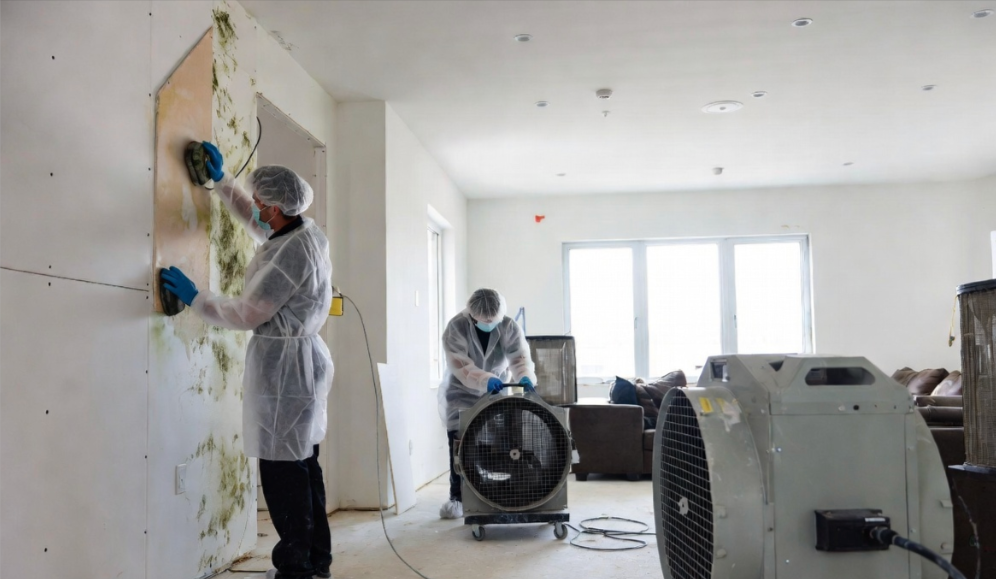
When it comes to dealing with water damage, it’s crucial to enlist the help of professionals who have the expertise and experience to handle the situation effectively. Utah Flood Guys is a trusted restoration company in Utah that specializes in providing comprehensive services for residential and commercial water damage, mold removal, and fire damage. With a team of highly-trained technicians and state-of-the-art equipment, Utah Flood Guys is dedicated to helping property owners restore their homes or businesses after disaster strikes.
The Dangers of Water Damage on Electrical Systems
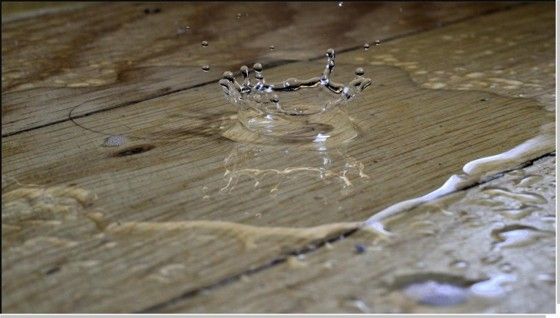
Water is a natural conductor of electricity, and when water enters electrical systems, it can lead to a range of issues, including short circuits, electrical fires, and electrocution. Even after the visible water has been removed from a property, moisture can linger in walls, floors, and ceilings, posing a continued risk to electrical components. Ignoring or overlooking electrical issues after water damage can have serious consequences, both in terms of safety and property damage.
Common Electrical Problems Caused by Water Damage
There are several common electrical issues that can arise after water damage:
1. Electrical shorts
Water can cause electrical circuits to short out, leading to malfunctions and potential fires.
2. Corrosion
Water can corrode electrical wiring and components, affecting their functionality and lifespan.
3. Ground faults
Water damage can cause ground faults, which can result in electrical shocks.
4. Mold growth
Moisture from water damage can create ideal conditions for mold growth, which can further compromise electrical systems.
Handling Electrical Issues Safely and Effectively
If your property has experienced water damage, it’s important to take the following steps to address electrical issues:
1. Safety first
Before attempting to assess or repair any electrical problems, ensure that the power to the affected area is turned off. Safety should always be the top priority.
2. Call a professional
Electrical work is complex and dangerous, especially after water damage. It’s best to enlist the help of a qualified electrician who can conduct a thorough inspection and make necessary repairs.
3. Inspect appliances and devices
Check all electrical appliances and devices that may have come into contact with water. Do not use any items that show signs of water damage.
4. Monitor for signs of damage
Keep an eye out for signs of electrical issues, such as flickering lights, sparking outlets, or burning smells. These may indicate underlying problems that require immediate attention.
Trust Utah Flood Guys for Expert Restoration Services
Utah Flood Guys understands the complexities of dealing with water damage and the importance of addressing electrical issues promptly and effectively. With their team of skilled professionals, advanced equipment, and commitment to customer satisfaction, Utah Flood Guys is your go-to partner for restoring your property after water damage. Don’t wait until it’s too late – contact Utah Flood Guys today for reliable and efficient restoration services.
You might also like
Utah Flood Guys Blog