Water Damage and Flooring: Restoring different types of flooring after water exposure
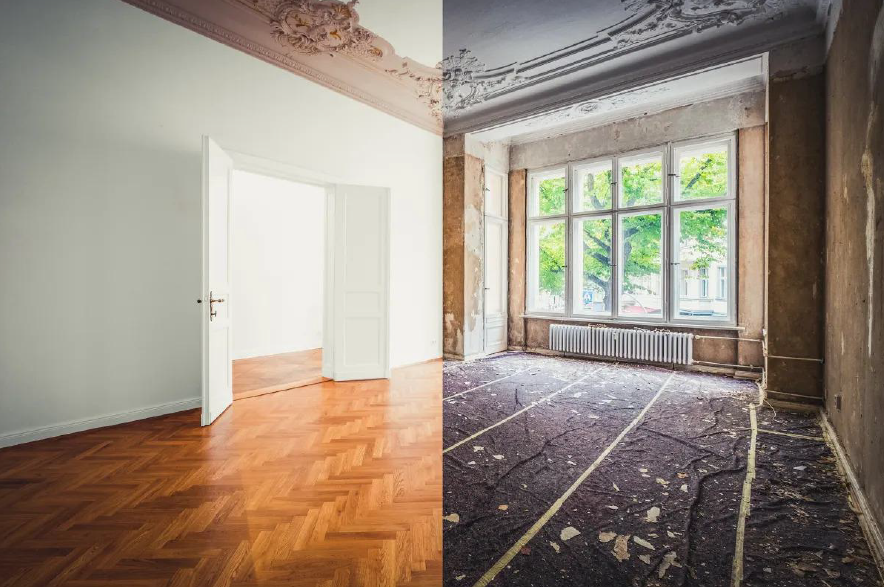
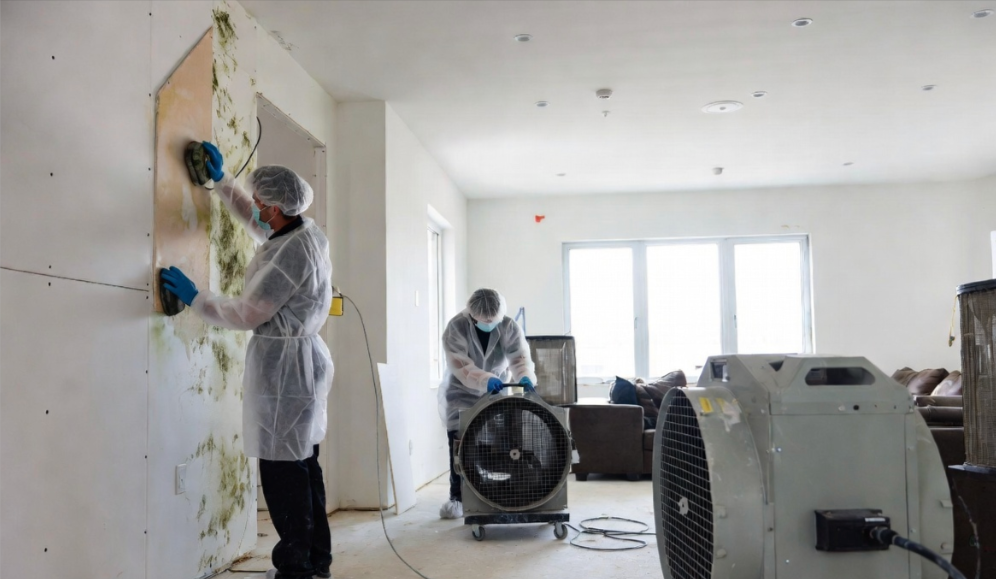
When water damage strikes your home or business, one of the most affected areas is often the flooring. Water exposure can wreak havoc on various types of flooring, causing warping, discoloration, mold growth, and structural damage. As a trusted restoration company in Utah, Utah Flood Guys is here to help you understand how to restore different types of flooring after water exposure.
Hardwood Flooring
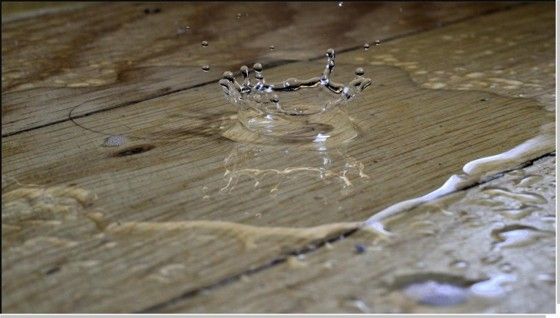
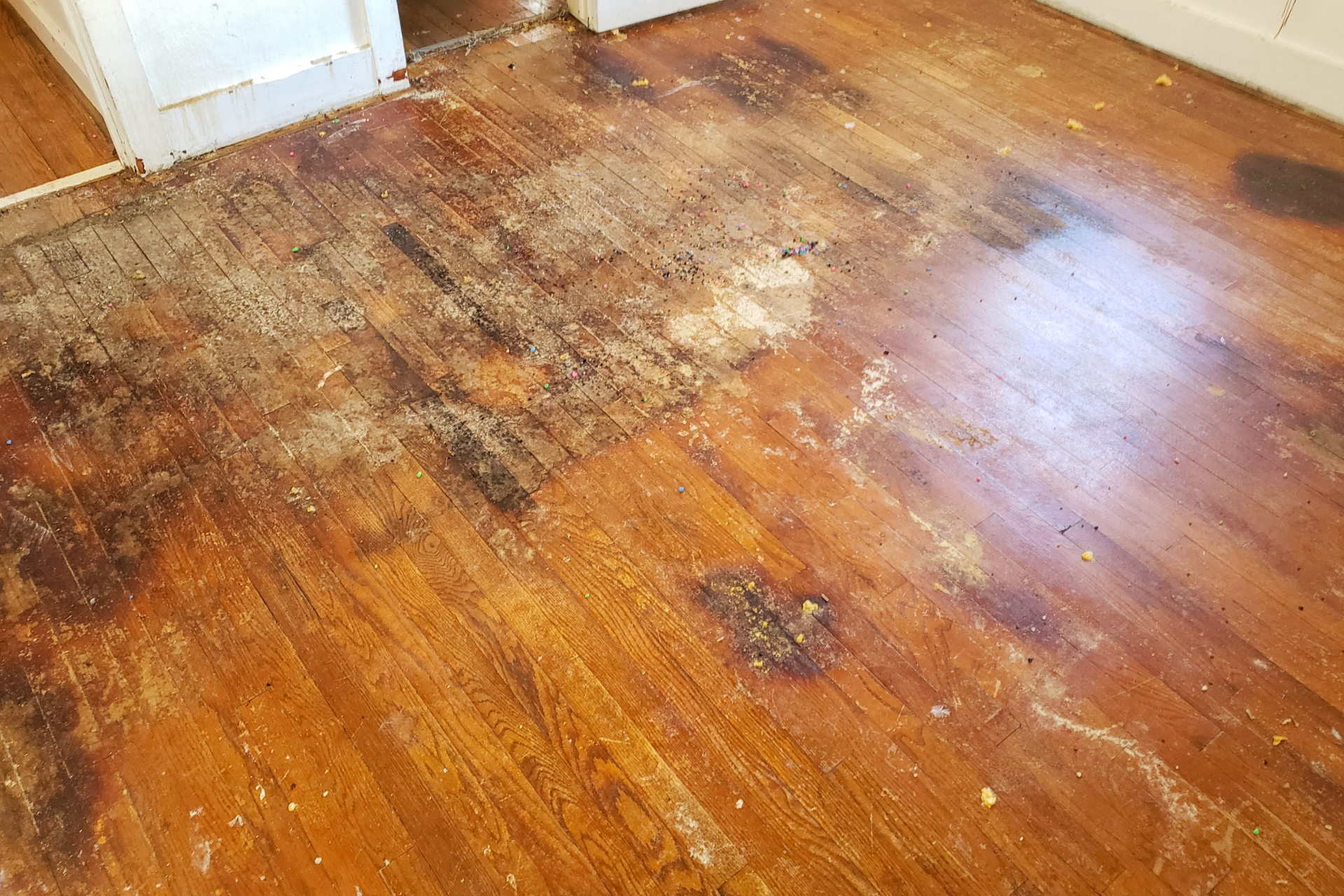
Hardwood flooring is a popular choice for many homeowners due to its timeless elegance and durability. However, hardwood is susceptible to water damage, especially if exposed to standing water for an extended period. When dealing with water-damaged hardwood floors, it's crucial to act quickly to minimize the damage.
Start by removing excess water using a wet vacuum or mop. Avoid using harsh cleaning chemicals as they can further damage the wood. Allow the floors to dry completely, and then sand and refinish them to restore their original beauty. If the damage is extensive, you may need to replace the affected boards.
Laminate Flooring
Laminate flooring is a cost-effective, versatile option that can mimic the look of hardwood, tile, or stone. Unfortunately, laminate is not as water-resistant as other flooring options and can warp or swell when exposed to moisture. If your laminate floors have suffered water damage, follow these steps to restore them.
Begin by removing the water and drying the floors thoroughly. In severe cases, you may need to replace the damaged laminate planks. It's important to address water damage promptly to prevent mold growth and further deterioration of the flooring.
Tile Flooring
Tile flooring, such as ceramic or porcelain tiles, is more resistant to water damage compared to hardwood or laminate. However, water can still seep through grout lines and damage the subfloor underneath. If your tile floors have been exposed to water, here's how you can restore them.
Clean and disinfect the tiles to prevent mold growth. Inspect the grout for any signs of damage and repair or reseal as needed. If the subfloor is affected, you may need to remove and replace damaged tiles to prevent further issues.
Carpet Flooring
Carpet flooring is a comfortable and cozy option for many homes, but it's highly susceptible to water damage. When carpets are exposed to water, they can become a breeding ground for mold and mildew. To restore water-damaged carpet flooring, take the following steps.
Extract as much water as possible using a wet vacuum or extraction tool. Thoroughly dry the carpets and padding, and disinfect to prevent mold growth. In severe cases, you may need to replace the padding and possibly the carpet if the damage is extensive.
Conclusion
Water damage can cause extensive harm to different types of flooring in your home or business. Whether you have hardwood, laminate, tile, or carpet flooring, it's essential to address water damage promptly to prevent further issues. Utah Flood Guys is here to assist you in restoring your flooring after water exposure. Contact us for professional water damage restoration services in Utah, and let us help you get your property back to its pre-loss condition. Stay safe and remember, when disaster strikes, Utah Flood Guys are here to help.
You might also like
Utah Flood Guys Blog