Utah's Unique Water Damage Challenges: How to Protect Your Property
When you think of Utah, sprawling deserts and majestic mountains typically come to mind. However, many residents are unaware of the unique water damage challenges our state faces. While we admire our natural landscapes, we must also acknowledge the potential for water damage from various sources, including heavy rain, snowmelt, and even plumbing issues. Here at Utah Flood Guys, we understand the intricacies involved in protecting your property from these water-related threats. Let’s dive into how you can safeguard your home or business against water damage.
Understanding Utah’s Climate
Utah boasts a semi-arid climate, which might lead you to think that water damage is not a significant concern. However, seasonal snowmelt combined with sporadic rains can lead to unexpected flooding, especially in lower-lying areas. Additionally, our rapid temperature changes can cause pipes to freeze and burst, leading to significant interior water damage.
Common Sources of Water Damage
1. Heavy Rainfall and Flash Floods
Utah experiences periods of intense rainfall, particularly during the monsoon season. Flash floods can occur with little warning, putting properties at risk, especially in areas prone to runoff.
2. Snowmelt
As the temperatures rise in the spring, snow in the mountains melts quickly, which can overwhelm drainage systems. This situation can be perilous for properties located near rivers and streams.
3. Plumbing Issues
Aging pipes and fixtures can fail under pressure, leading to unwanted leaks. Unlike weather-related damage, plumbing issues can happen year-round and often require immediate attention.
4. Foundational Problems
In some regions, expansive soils can put pressure on foundations, leading to cracks where water can seep in. Keeping an eye on your foundation and addressing any issues early can save you from significant headaches down the line.
Protective Measures for Your Property
Now that we understand the challenges, let’s discuss some proactive steps you can take to protect your property:
- Invest in Quality Drainage Systems
Proper grading, gutters, and drains are essential in redirecting water away from your foundation. Regularly cleaning gutters and ensuring downspouts direct water away from your home can make a significant difference.
- Install Water Sensors and Alarms
Smart technology has made it easier than ever to monitor your home. Investing in water sensors that detect leaks can alert you before minor issues become major disasters.
- Regular Inspections
Schedule inspections of your plumbing systems, roofs, and foundations. Catching issues before they escalate allows you to take corrective measures right away, potentially saving thousands in repair costs.
- Seal Cracks and Openings
Don’t overlook small cracks in your foundation or walls. Sealing these can prevent water intrusion and should be part of your regular home maintenance routine.
- Create a Flood Plan
If you live in an area susceptible to flooding, have an emergency flood plan in place. Know your evacuation route and keep important documents in a waterproof container.
When Disaster Strikes
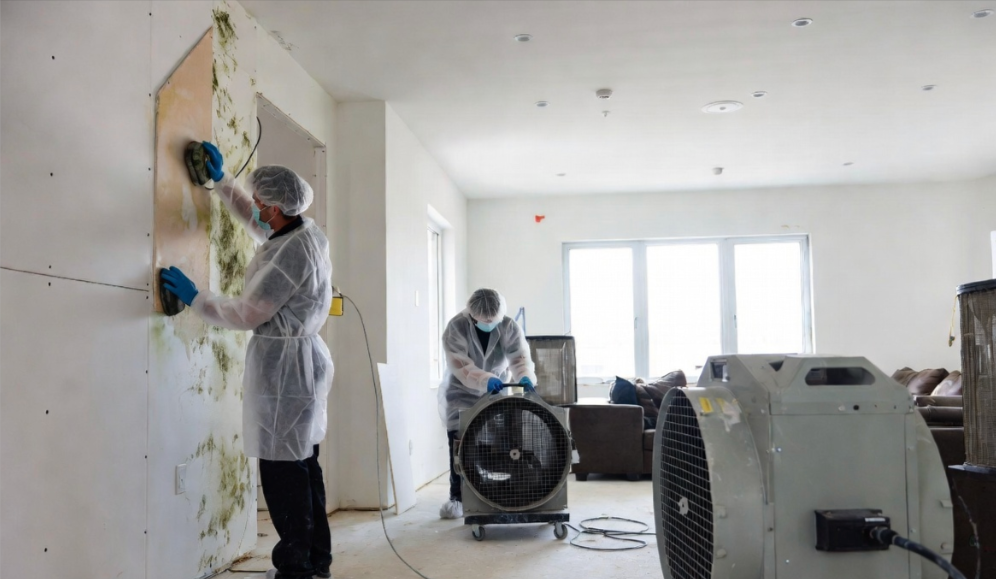
Despite our best efforts, sometimes water damage is unavoidable. In those cases, Utah Flood Guys is here to help. Our team specializes in comprehensive restoration services for both residential and commercial properties. With our expertise, we can quickly assess the damage and start restoring your space, ensuring you're back to normal in no time.
Utah’s unique climate means being proactive about water damage is essential. With these tips and our assistance, you can protect your property and enjoy all that our beautiful state has to offer, worry-free!
You might also like
Utah Flood Guys Blog