The Environmental Impact of Chemical vs. Eco-Friendly Mold Removal Methods
When it comes to mold removal, homeowners and businesses often face a tough decision: should they opt for traditional chemical treatments or choose eco-friendly methods? At Utah Flood Guys, we believe it’s essential to consider not just the effectiveness of these methods but also their impact on our environment. Let’s dive into the two approaches and explore their advantages and drawbacks.
Chemical Mold Removal: Pros and Cons
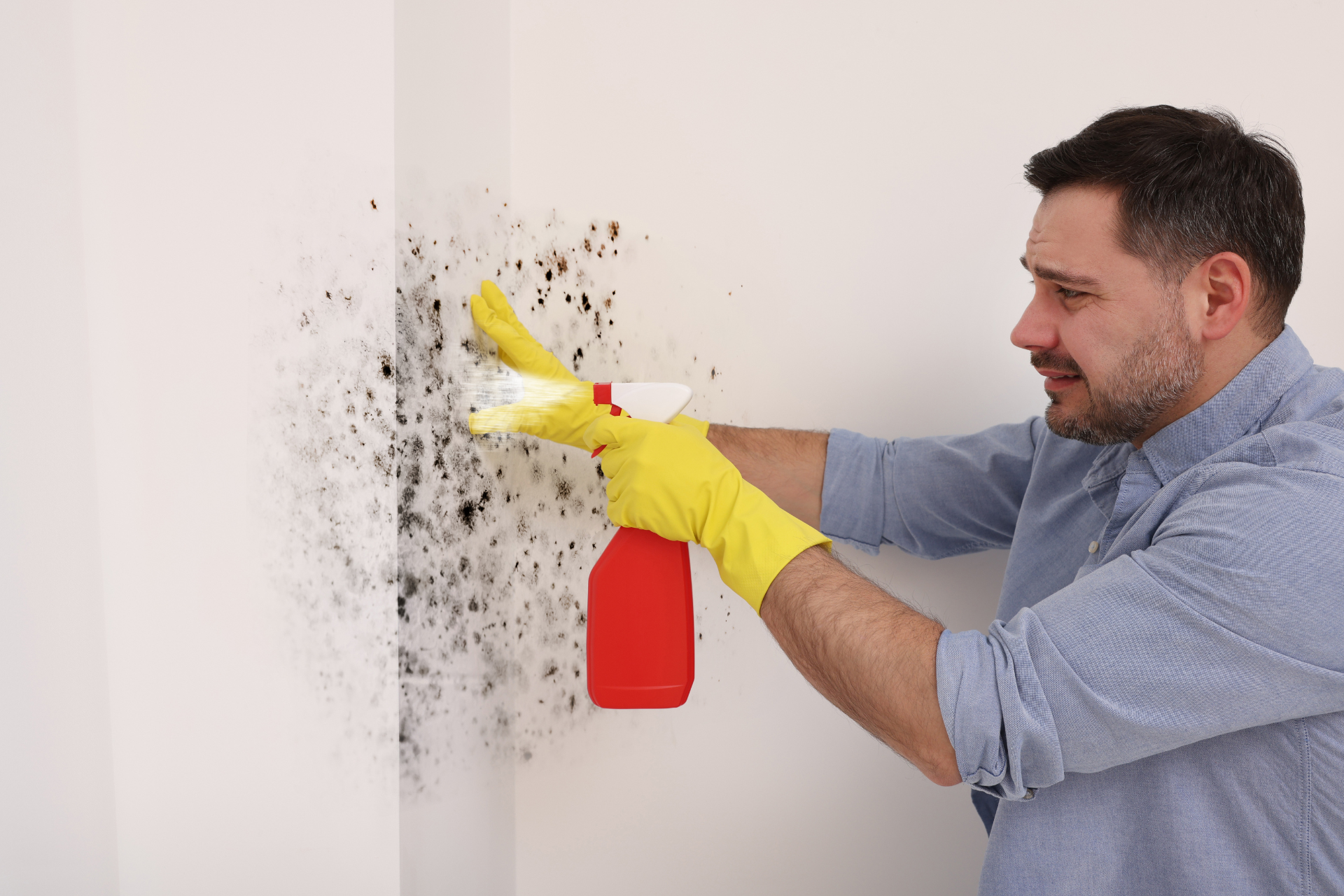
Chemical mold removal methods typically involve powerful solutions designed to kill mold quickly and effectively. Products like bleach, fungicides, and other harsh chemicals are popular due to their aggressive approach. On the positive side, these chemicals can indeed provide fast results, making it tempting for those seeking immediate relief from a mold infestation.
However, the utilization of these chemicals isn't without consequences. Many conventional mold removal solutions contain volatile organic compounds (VOCs) that can contribute to air pollution and may pose health risks to humans and pets. Prolonged exposure to harmful chemicals can lead to respiratory issues, skin irritations, and other health concerns. Moreover, as these substances are washed away, they can seep into the environment, polluting waterways and harming local ecosystems.
Eco-Friendly Mold Removal: A Sustainable Approach
On the other hand, eco-friendly mold removal methods focus on leveraging natural substances and techniques that are less harmful to the environment. Options such as vinegar, hydrogen peroxide, and baking soda are commonly used to combat mold growth. Not only are these substances effective in breaking down mold, but they are also significantly less abrasive compared to their chemical counterparts.
The environmental benefits of using eco-friendly methods are considerable. Because these natural ingredients break down easier in the environment, there is a reduced risk of water and soil contamination. Furthermore, the use of non-toxic cleaning solutions can lead to healthier indoor air quality, which is particularly beneficial for those with allergies or sensitivities. This option allows homeowners and businesses to address their mold issues while also prioritizing the well-being of our planet and their communities.
Finding the Right Balance
For those faced with a mold crisis, the right choice often lies in balancing effectiveness with environmental responsibility. It’s essential to consider the severity of the mold problem, the preferences of the occupants, and the long-term implications of treatment choices. Utah Flood Guys recommend assessing the situation thoroughly before deciding on a method.
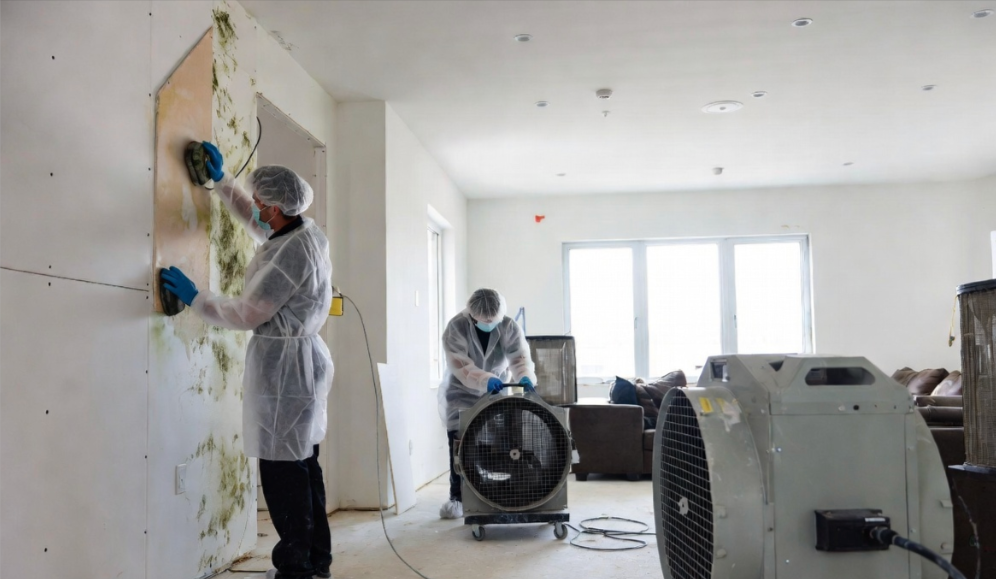
In many cases, a hybrid approach can yield excellent results. For minor mold issues, utilizing eco-friendly solutions can be quite effective. However, in situations involving extensive infestations, it might be necessary to use stronger chemical treatments, albeit in a controlled and thoughtful manner. If you do choose to go the chemical route, it’s crucial to work with professionals who understand proper application techniques and safety measures to minimize environmental harm.
Conclusion
Ultimately, whether you choose chemical or eco-friendly mold removal methods, the most important aspect is ensuring that the job is done right. At Utah Flood Guys, we prioritize not only effective mold remediation but also the health of our clients and the environment. If you’re dealing with a mold problem, don’t hesitate to reach out to us. Together, we can find the best solution that suits your needs while fostering a safer and greener future for everyone.
You might also like
Utah Flood Guys Blog