Utah's Flash Floods: How to Prepare Your Home
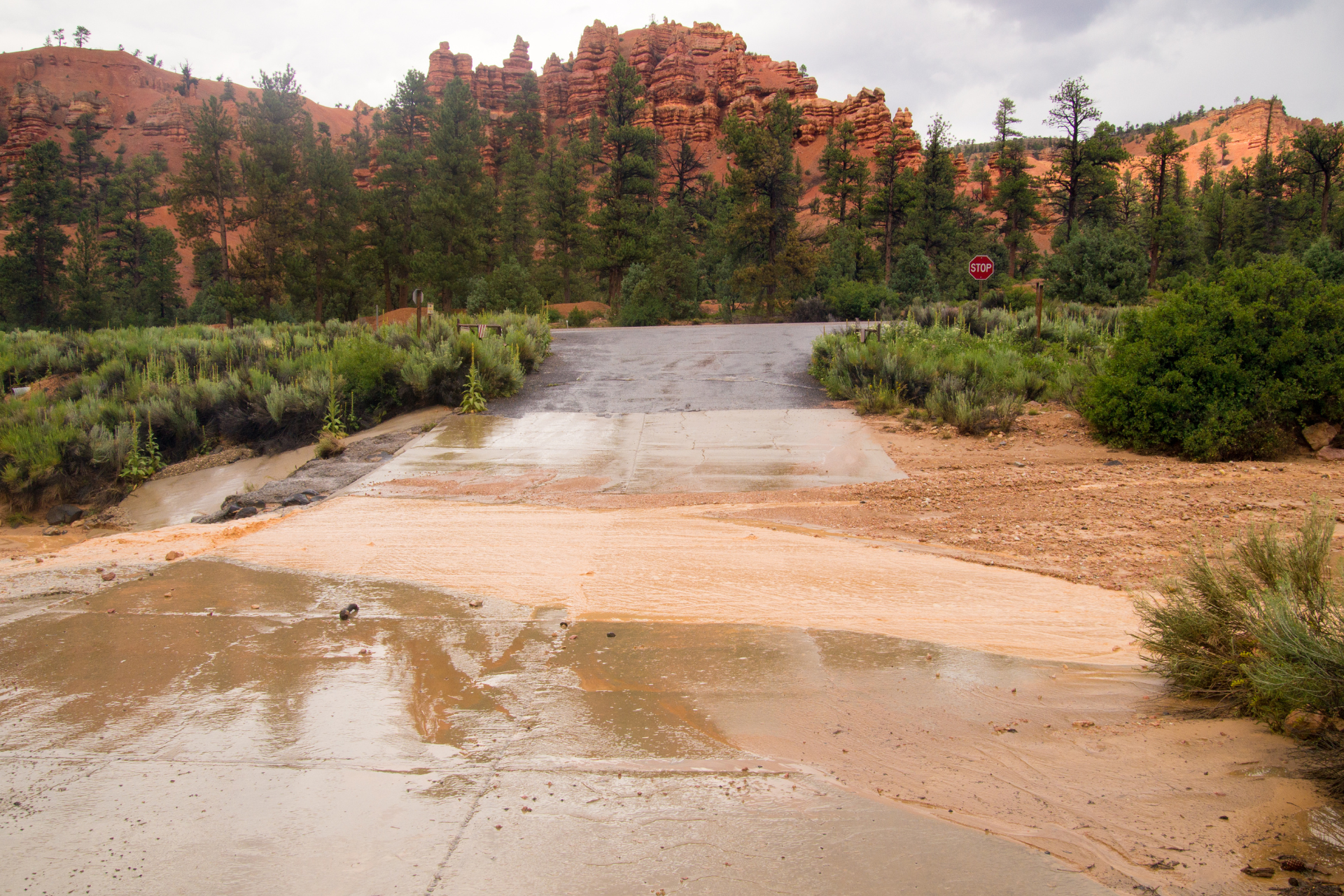
Living in Utah comes with its fair share of natural wonders, from scenic mountains to vast deserts. However, one of the more unpredictable aspects of Utah's geography is the occurrence of flash floods. These sudden and powerful deluges of water can wreak havoc on homes and properties, causing significant damage and disruption. As a homeowner in Utah, it's essential to be prepared for the possibility of flash floods and take proactive steps to protect your property. In this blog post, we'll discuss how you can prepare your home for Utah's flash floods, with tips and strategies from the experts at Utah Flood Guys.
1. Understand the Risk
Utah is known for its unique topography, including steep canyons and arid landscapes. These geographical features can contribute to the rapid onset of flash floods, especially during periods of heavy rainfall or snowmelt. It's important to be aware of the risk in your area and stay informed about weather conditions that could lead to flash flooding. Pay attention to local weather alerts and be prepared to take action if a flash flood warning is issued for your area.
2. Create a Flood Emergency Plan
Having a well-thought-out emergency plan can make all the difference in protecting your home and loved ones during a flash flood. Sit down with your family members and discuss what to do in case of a flood emergency. Identify safe evacuation routes, designate meeting points, and ensure that everyone knows how to shut off utilities if necessary. Consider putting together a disaster supply kit with essentials such as food, water, medications, and important documents.
3. Maintain Your Property
One of the best ways to minimize the impact of a flash flood on your home is to keep your property well-maintained. Regularly inspect your roof, gutters, and downspouts to ensure that they are in good condition and free of debris. Consider installing a sump pump in your basement or crawl space to prevent water from pooling during a flood. Make sure that your landscaping slopes away from your home to direct water away from the foundation.
4. Invest in Flood Insurance
Standard homeowners insurance policies typically do not cover damage caused by floods, including flash floods. To protect your home and belongings, consider investing in flood insurance through the National Flood Insurance Program (NFIP) or a private insurer. Flood insurance can provide financial assistance to repair or replace your property in the event of flood damage, giving you peace of mind during Utah's unpredictable weather.
5. Contact Utah Flood Guys
In the unfortunate event that your home experiences flooding or water damage, it's crucial to act quickly to minimize the long-term effects. Utah Flood Guys is a trusted restoration company specializing in water damage cleanup, mold removal, and fire damage restoration. Our team of experienced professionals is available 24/7 to respond to emergencies and provide swift, effective solutions for your home. With state-of-the-art equipment and proven techniques, we can help restore your property to its pre-loss condition and ensure a safe, healthy environment for you and your family.
By following these tips and working with the experts at Utah Flood Guys, you can be better prepared to protect your home from the devastating effects of flash floods. Don't wait until it's too late – take proactive steps today to safeguard your property and loved ones against Utah's unpredictable weather. Stay safe, stay informed, and remember that we're here to help you weather the storm.
You might also like
Utah Flood Guys Blog