Moving into a Foreclosed Home? Watch Out for Mold

So, you’ve found a great deal on a foreclosed home and you’re excited to move in and make it your own. But before you start unpacking boxes and picking out paint colors, there’s something important you need to be aware of – mold.
Mold is a common issue in foreclosed homes, especially those that have been sitting vacant for an extended period of time. With the lack of proper maintenance and ventilation, mold can quickly take hold and become a serious problem for new homeowners.
At Utah Flood Guys, we’ve seen our fair share of mold issues in foreclosed homes, and we want to make sure you’re armed with the knowledge to protect yourself and your family. Here are some important things to watch out for when moving into a foreclosed home:
1. Musty Odors
One of the first signs of mold in a home is a musty, earthy odor. If you walk into the home and are greeted with a strong, unpleasant smell, it could be a sign that there is mold lurking somewhere. Don’t ignore this warning sign – be sure to investigate further to determine the source of the odor.
2. Visible Mold
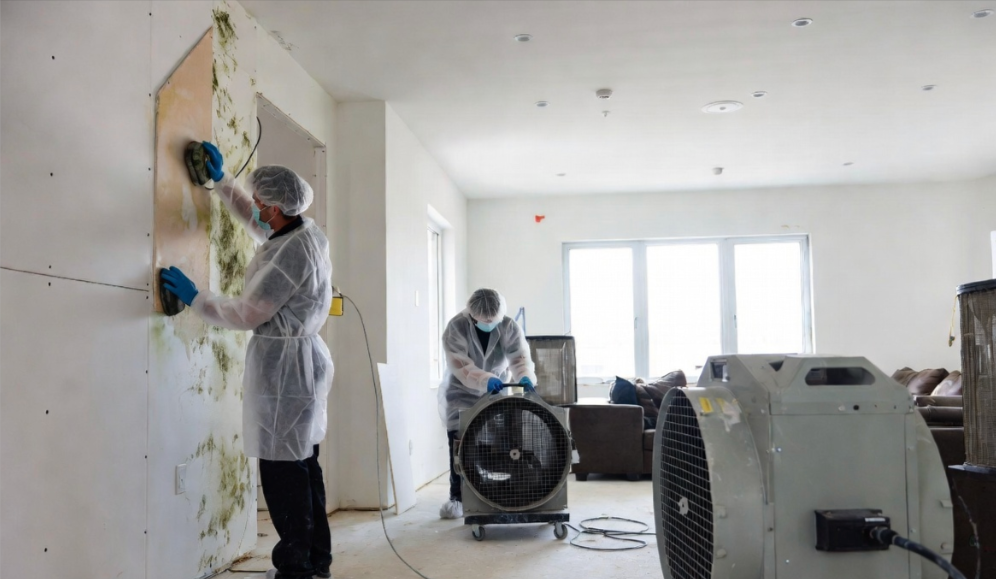
Sometimes mold is easy to spot, especially if it’s grown unchecked in plain sight. Look for areas of discoloration on walls, ceilings, or floors, as well as any fuzzy or slimy patches. Mold can come in a variety of colors, including black, green, or white.
3. Water Damage
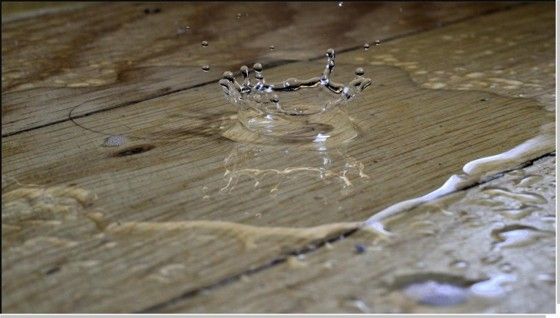
Foreclosed homes are often subject to water damage due to leaks, burst pipes, or flooding that has gone unrepaired. Check for signs of water damage, such as stained ceilings, bubbling paint or wallpaper, or warped flooring. Where there is water damage, mold is sure to follow.
4. Poor Ventilation
If the home has been closed up with no proper ventilation for an extended period of time, the conditions are perfect for mold growth. Make sure that the home has adequate ventilation, especially in areas like bathrooms, kitchens, and basements where moisture tends to accumulate.
5. Allergies or Respiratory Issues
If you or your family members start experiencing allergy symptoms or respiratory issues after moving into the home, it could be a sign of mold exposure. Mold spores can trigger allergies and worsen asthma symptoms, so it’s important to address any health concerns right away.
If you suspect that your foreclosed home has a mold problem, it’s crucial to take action quickly to prevent further damage and potential health risks. Utah Flood Guys is here to help with professional mold removal services that will safely and effectively eliminate mold from your home.
Our team of experts is trained and equipped to handle even the toughest mold infestations, using industry-leading techniques and advanced technology to restore your home to a safe and healthy environment. Don’t let mold ruin your dream of homeownership – contact Utah Flood Guys today for a free quote and peace of mind.
Moving into a foreclosed home can be an exciting new chapter in your life, but it’s important to be aware of the potential risks that mold can pose. By staying vigilant and taking proactive steps to address any mold issues, you can ensure that your new home is a safe and healthy place for you and your family to enjoy for years to come. Remember, when it comes to mold, prevention is key.
You might also like
Utah Flood Guys Blog