Top 10 Causes of Water Damage in Utah Homes and How to Prevent Them
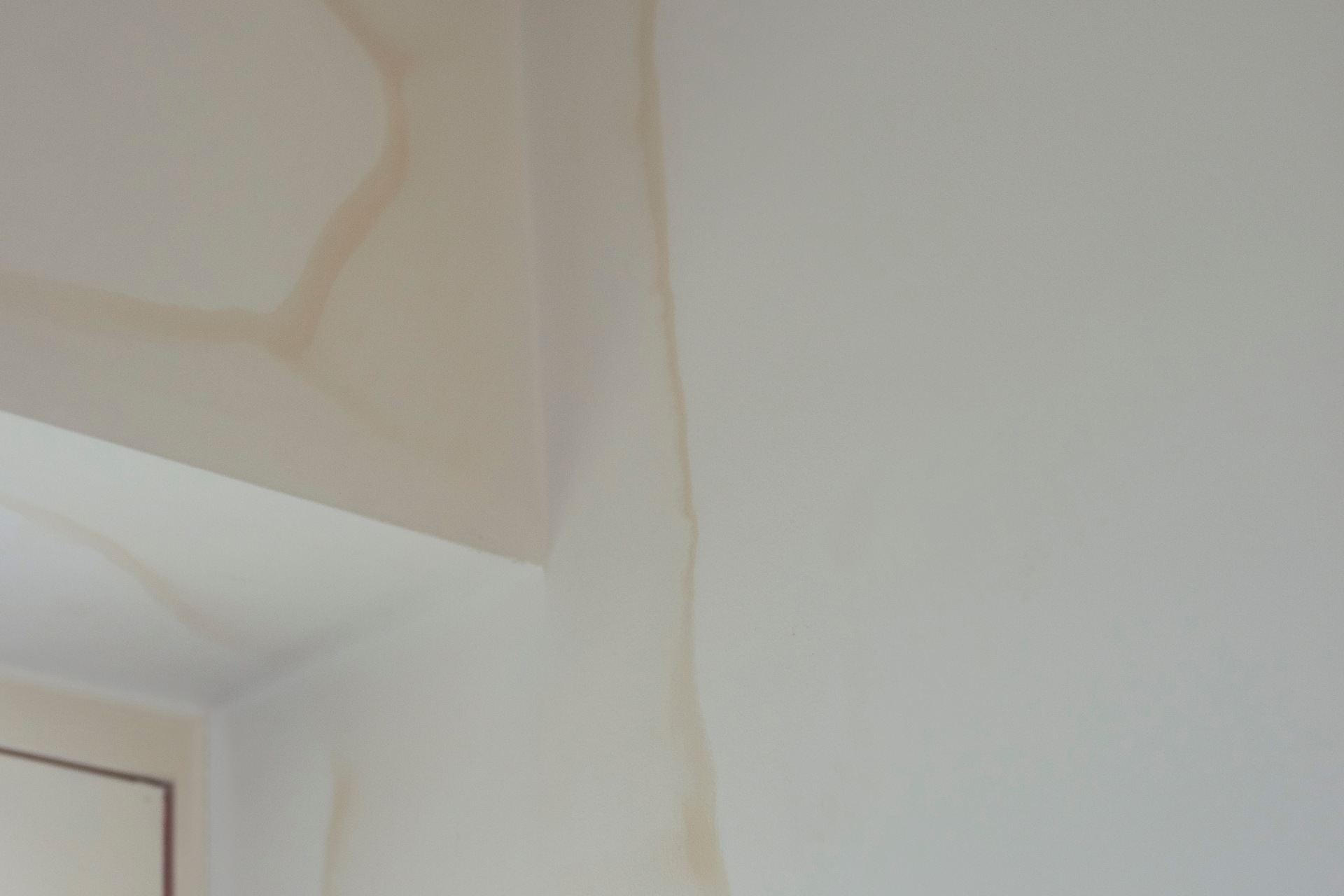
Water damage is a common issue that Utah homeowners face, especially given the state's unique climate and geographic conditions. From heavy snowfall in the winter to sudden downpours in the summer, various factors can contribute to water damage in homes. Not only can water damage be costly to repair, but it can also pose serious health risks due to mold growth and structural damage. As the leading restoration experts at Utah Flood Guys, we've compiled a list of the top 10 causes of water damage in Utah homes and provided practical tips on how to prevent them.
1. Plumbing Issues
Leaky pipes, burst water lines, and faulty plumbing fixtures are among the most common culprits of water damage in homes. Inspect your plumbing regularly for any signs of leaks or corrosion. Promptly repair any issues to avoid water damage.
2. Roof Leaks
Utah's snowy winters and rainy seasons can take a toll on your roof, leading to leaks and water infiltration. Inspect your roof for missing shingles, damaged flashing, or clogged gutters. Addressing these issues promptly can prevent water damage to your home.
3. Basement Flooding
Basements are particularly vulnerable to water damage, especially during heavy rainstorms or snowmelt. Install a sump pump and ensure that your basement is properly waterproofed to prevent flooding and water seepage.
4. Faulty Appliances
Dishwashers, washing machines, refrigerators, and water heaters can all spring leaks and cause water damage if not properly maintained. Inspect these appliances regularly and replace any worn-out hoses or connections to prevent leaks.
5. Sewage Backups
Sewage backups can occur due to clogged sewer lines or overflowing septic tanks, leading to messy and hazardous water damage. Have your sewer lines inspected and cleaned regularly to prevent backups and water damage in your home.
6. Poor Ventilation
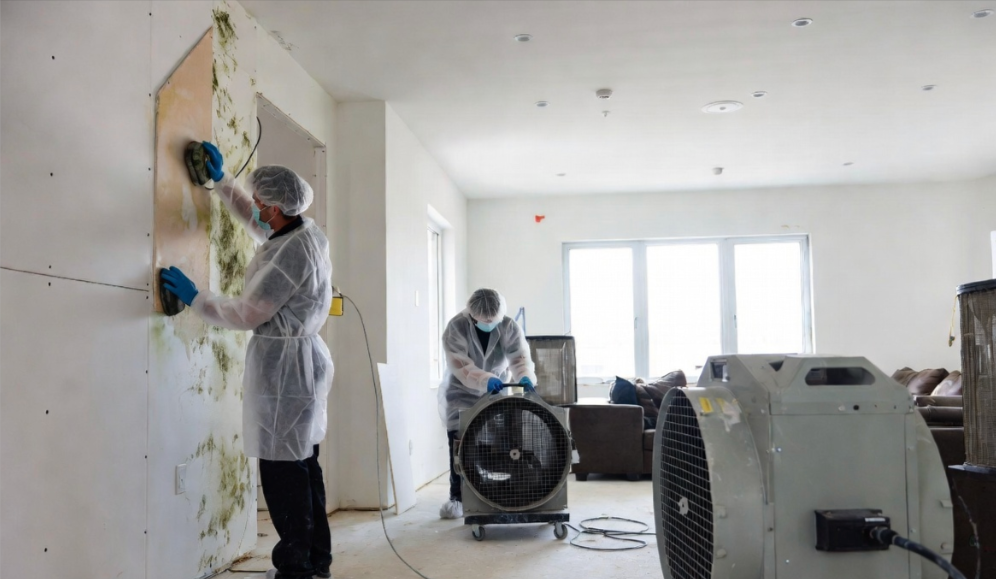
Inadequate ventilation in bathrooms, kitchens, and attics can lead to condensation and moisture buildup, promoting mold growth and water damage. Install exhaust fans and ensure proper ventilation to prevent water damage in these areas.
7. Flash Floods
Utah is prone to flash floods, especially in low-lying or flood-prone areas. Stay informed about weather conditions and be prepared to take action in the event of a flash flood warning to minimize water damage to your home.
8. Foundation Cracks
Cracks in your home's foundation can allow water to seep into your basement or crawl space, causing water damage and structural issues. Inspect your foundation for cracks and address any issues promptly to prevent water infiltration.
9. Snowmelt
As the snow melts in the spring, Utah homeowners may experience water damage due to melting snow seeping into basements or crawl spaces. Ensure that your property's drainage systems are clear and functioning properly to prevent water damage from snowmelt.
10. Human Error
Accidents happen, and sometimes human error can lead to water damage in homes. Whether it's leaving a faucet running, overloading a washing machine, or forgetting to turn off a sprinkler system, simple mistakes can result in costly water damage. Stay vigilant and practice good habits to prevent water damage caused by human error.
By being proactive and addressing potential water damage risks in your home, you can minimize the likelihood of experiencing a water-related disaster. If you do encounter water damage in your Utah home, don't hesitate to contact the experts at Utah Flood Guys for prompt and professional restoration services. Remember, prevention is key when it comes to protecting your home from water damage. Stay safe, stay dry!
You might also like
Utah Flood Guys Blog