Tips for Documenting Damage for Insurance Claims After a Disaster in Utah
In the aftermath of a disaster, such as a flood, fire, or storm, dealing with the damage can be overwhelming. As a Utah resident facing such a situation, knowing how to document the damage for insurance claims is key to ensuring a smooth and successful recovery process. At Utah Flood Guys, we understand the challenges that come with disaster cleanup and restoration, which is why we are sharing some valuable tips on how to effectively document damage for insurance claims.
1. Safety First
Before you start documenting the damage, prioritize your safety and the safety of those around you. Ensure that the property is secure and free from any potential hazards. If the damage is extensive and poses a risk to your well-being, it is crucial to contact professionals, like Utah Flood Guys, to assess the situation and provide immediate assistance.
2. Take Photos and Videos
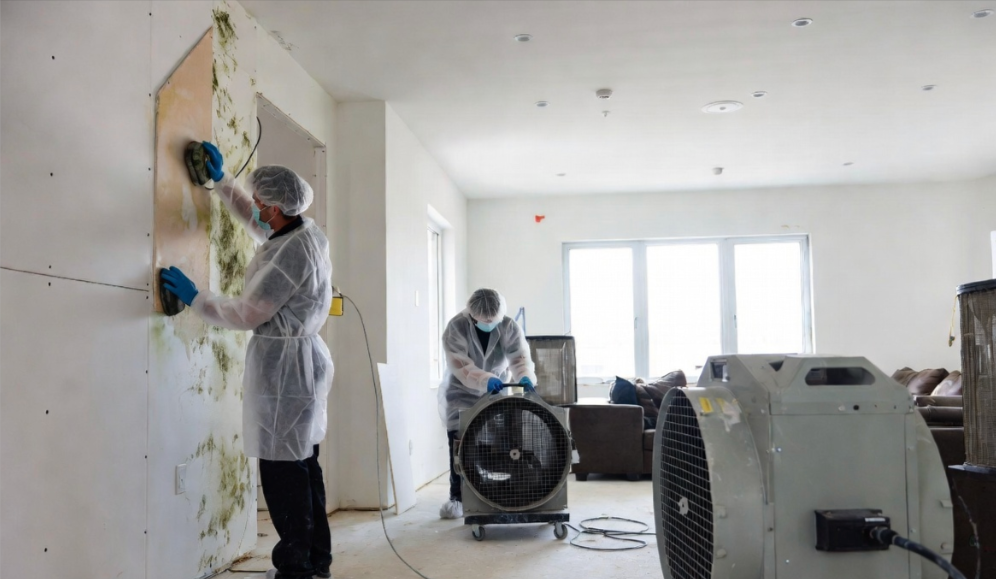
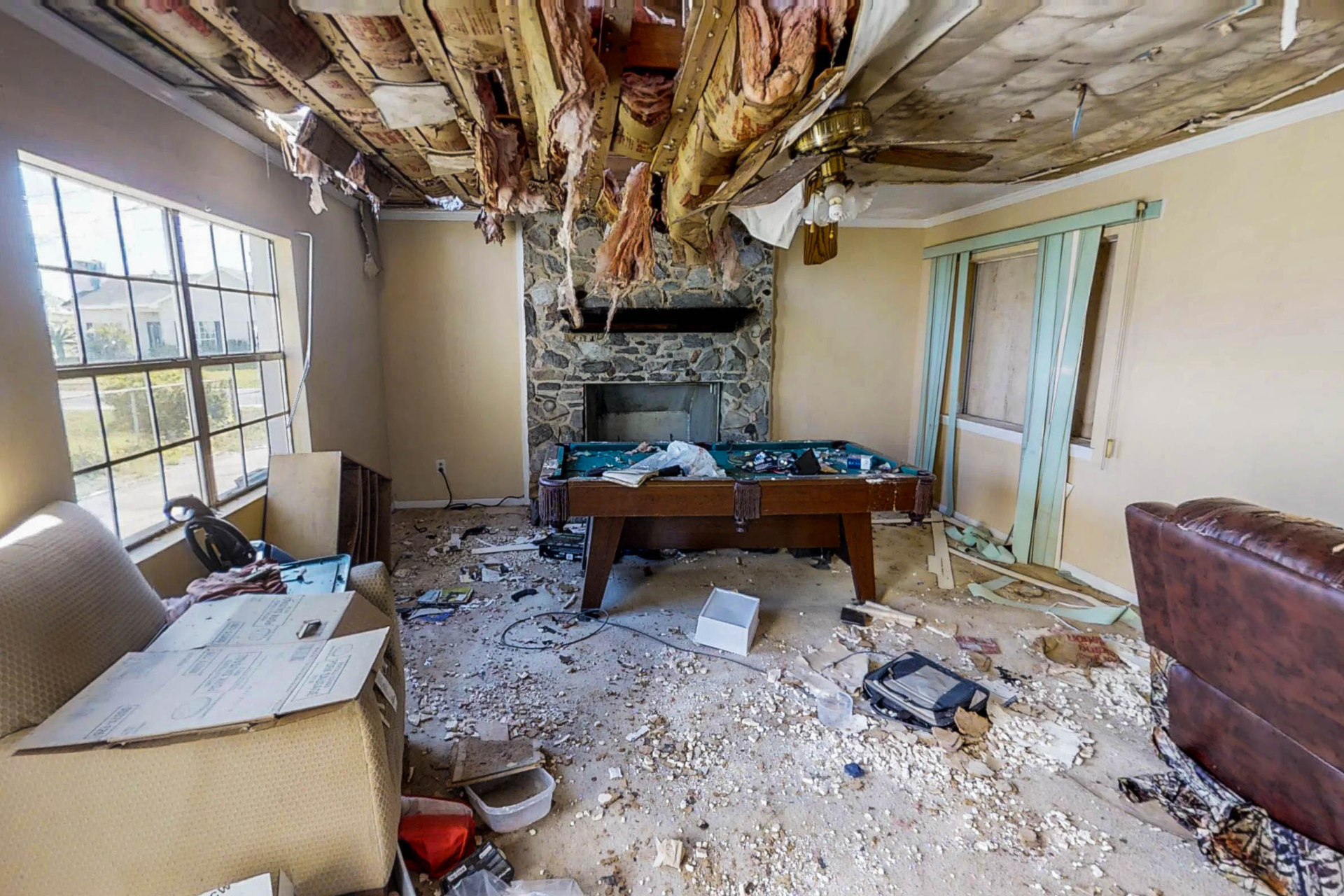
One of the most important steps in documenting damage for insurance claims is to take detailed photos and videos of the affected areas. Make sure to capture the extent of the damage from multiple angles and distances. Include close-up shots to showcase specific areas of concern, such as waterlogged walls, charred ceilings, or mold growth. These visual records will serve as crucial evidence when filing your insurance claim.
3. Create an Inventory of Damaged Items
For personal property damage, create a detailed inventory of all items that have been affected by the disaster. This includes furniture, electronics, clothing, and any other belongings. Note down the make, model, and serial numbers of high-value items, as well as their estimated value. Keep receipts or purchase records whenever possible to support your claims.
4. Document the Restoration Process
In addition to capturing the initial damage, document the restoration process from start to finish. Take photos and videos of the cleanup efforts, repairs, and any new installations. Keep track of all invoices, estimates, and communication with restoration professionals, such as Utah Flood Guys. This information will help demonstrate the extent of the work required to restore your property.
5. Keep Detailed Records
Throughout the insurance claim process, it is essential to keep detailed records of all interactions with your insurance company. Document every phone call, email, and letter exchanged, including the names of representatives you speak with and the specifics of your communications. This will help you stay organized and informed about the progress of your claim.
6. Seek Professional Assistance
Dealing with insurance claims after a disaster can be complex and time-consuming. If you feel overwhelmed or unsure about how to navigate the process, consider seeking professional assistance. Utah Flood Guys specializes in disaster cleanup and restoration services and can provide expert guidance on documenting damage and filing insurance claims.
In conclusion, documenting damage for insurance claims after a disaster in Utah requires thoroughness, attention to detail, and patience. By following these tips and working with professionals like Utah Flood Guys, you can streamline the process and increase the chances of a successful claim settlement. Remember, your safety and well-being come first, so prioritize these aspects while navigating the challenging aftermath of a disaster.
You might also like
Utah Flood Guys Blog