The Top 10 Water Damage Hotspots in Utah Homes and How to Address Them
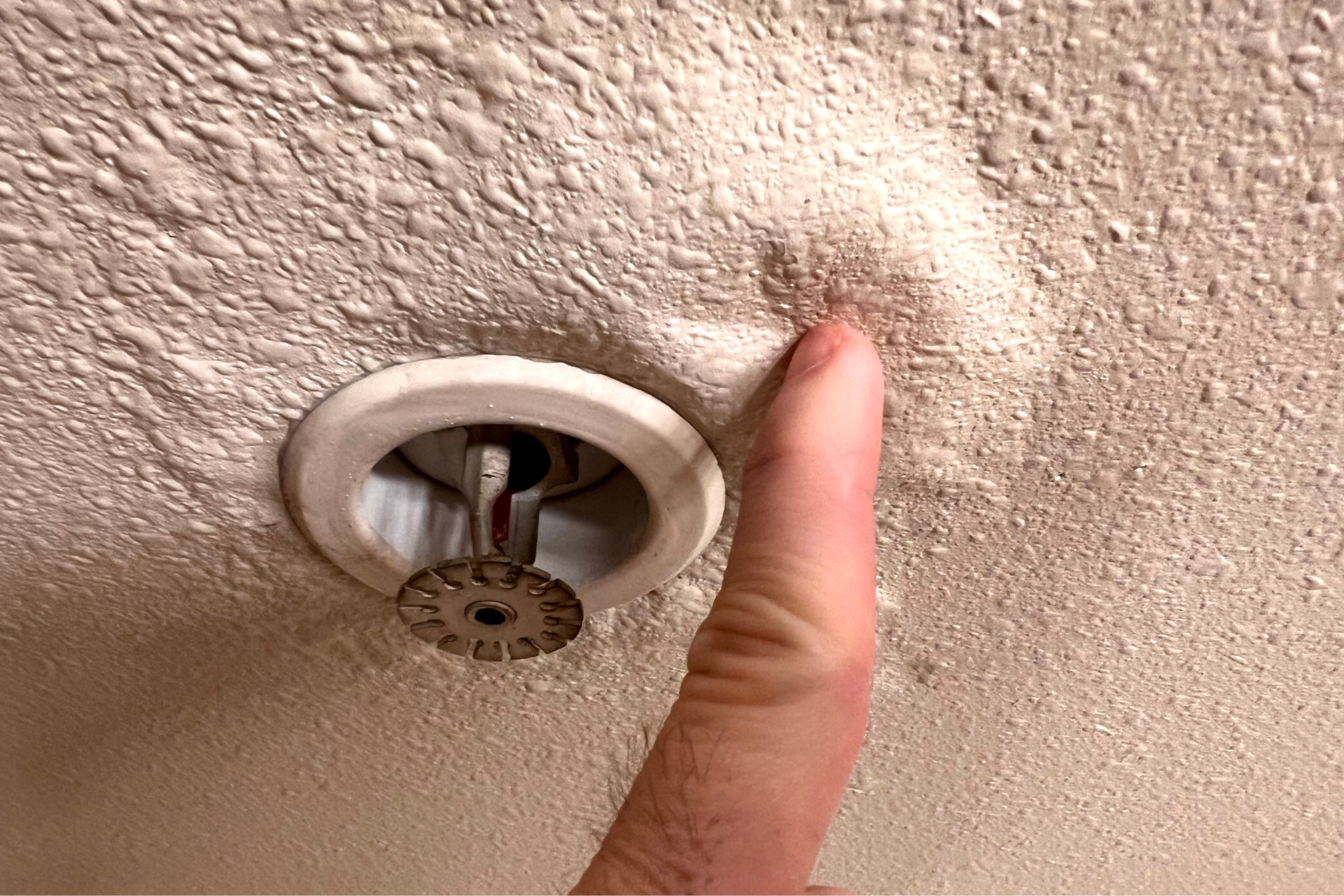
When it comes to water damage in Utah homes, prevention is key. From snowy winters to sudden heavy rainstorms, the state's unique climate can pose serious risks to properties. As the proud owner of a home in Utah, it's essential to be aware of the common water damage hotspots and know how to address them swiftly. Utah Flood Guys, your trusted restoration company, is here to provide you with expert advice on dealing with water damage before it snowballs into a major disaster.
1. Basements and Crawl Spaces
Basements and crawl spaces are notorious for being the first areas in a home to flood. Heavy rainfall, melting snow, or seepage from the ground can easily find its way into these underground areas. To prevent water damage, ensure that your basement is properly waterproofed. Regularly check for cracks in the foundation and seal them promptly. If you do experience flooding, contact Utah Flood Guys immediately for professional assistance.
2. Roofs and Attics
Damaged shingles, clogged gutters, and poor attic ventilation can lead to water seeping into your home through the roof. Inspect your roof and gutters regularly to prevent water damage. Make sure your attic is adequately ventilated to avoid moisture buildup, which can contribute to mold growth.
3. Plumbing Fixtures and Appliances
Leaky pipes, burst hoses, and malfunctioning appliances like dishwashers and washing machines are common culprits of water damage in homes. Regularly inspect your plumbing fixtures and appliances for any signs of leaks or wear and tear. Promptly repair or replace any damaged components to prevent water damage.
4. Bathrooms
Bathrooms are another hotspot for water damage due to frequent use of water. Check for leaks in pipes, faucets, showers, and toilets. Ensure that your bathroom is properly ventilated to reduce moisture levels and prevent mold growth.
5. HVAC System
Your heating, ventilation, and air conditioning (HVAC) system can also be a source of water damage if not properly maintained. Inspect your HVAC system regularly and replace filters as needed. Make sure the condensate drain line is clear and free of blockages to prevent water backups.
6. Foundation and Exterior Walls
Cracks in the foundation or exterior walls can allow water to seep into your home, leading to extensive water damage. Inspect the foundation and exterior walls for any signs of damage and address them promptly to prevent water intrusion.
7. Sump Pump
If your home has a sump pump, ensure that it is in good working condition. Test the sump pump regularly to make sure it will function properly in the event of a flood.
8. Landscaping
Improperly graded landscaping can direct water toward your home, increasing the risk of water damage. Ensure that your yard is properly graded to prevent water from pooling near your foundation.
9. Window and Door Seals
Cracked or damaged window and door seals can allow water to seep into your home during rainstorms. Inspect the seals around your windows and doors and replace them as needed to prevent water intrusion.
10. Condensation
Condensation on windows, walls, or ceilings can indicate high humidity levels in your home, which can lead to mold growth and water damage. Use dehumidifiers to reduce moisture levels and prevent condensation in your home.
In conclusion, being proactive in addressing potential water damage hotspots in your Utah home is crucial in preventing costly repairs and restoration. Regular maintenance, inspections, and prompt action are key in safeguarding your property from water damage. If you do experience water damage in your home, don't hesitate to contact Utah Flood Guys for fast and reliable restoration services. Remember, when it comes to water damage, prevention is always better than cure. Stay informed, stay vigilant, and protect your home from the threat of water damage.
You might also like
Utah Flood Guys Blog