
Basement Flooding in Utah: Prevention Tips and Restoration Solutions
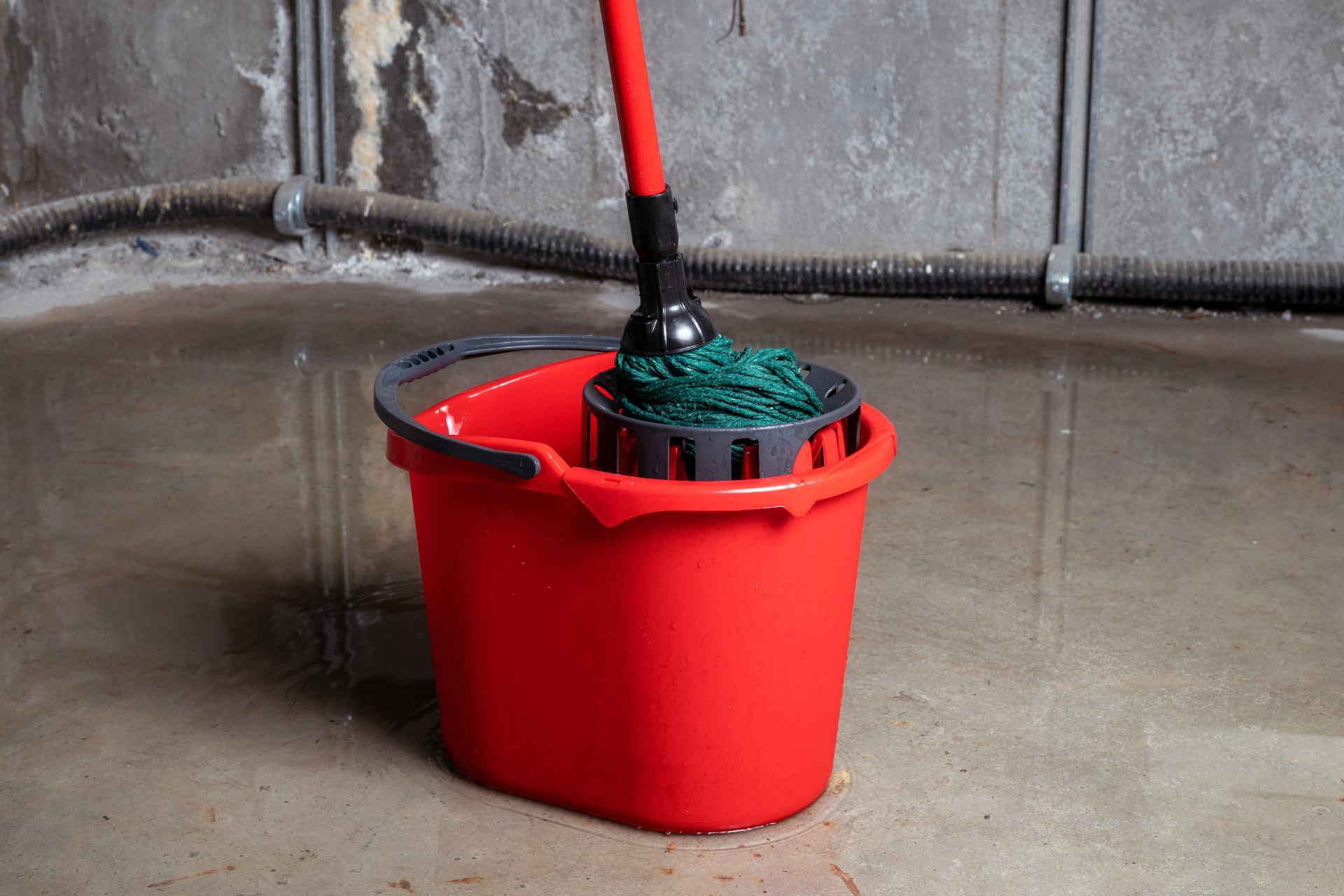
When the snow melts and spring rain showers sweep through Utah, the potential for basement flooding becomes a reality many homeowners dread. Your basement can be a valuable area for storage, recreation, or even an extra living space, so the last thing you want is for it to turn into a waterlogged mess. Here are some practical prevention tips and restoration solutions to help keep your basement dry and usable.
Prevention Tips
1. Check Your Gutters and Downspouts
Regular maintenance of your gutters is essential. Ensure they’re clear of debris so rainwater can flow freely and direct it away from your home’s foundation. Downspouts should extend at least 5-10 feet away from your house. This simple step can help prevent water from pooling around your foundation and seeping into your basement.
2. Inspect Your Foundation
Take a stroll around the outside of your home. Look for cracks in your foundation and fill them in to prevent water intrusion. If you spot major issues, consult a professional. Even small cracks can let moisture enter, leading to potential flooding.
3. Install a Sump Pump
A sump pump can be a lifesaver when it comes to preventing flooding. This device sits in a sump pit, collecting excess water and pumping it away from your home. Regularly test the pump to ensure it’s in working order, and consider a battery backup in case of power outages.
4. Use Water-Resistant Materials
If you’re finishing your basement or renovating, choose water-resistant materials. Vinyl flooring and moisture-resistant drywall can help minimize damage if water does seep in. This approach can save you money and stress down the line.
5. Landscape Your Yard
The grading of your yard matters! Ensure that your yard slopes away from your house. This will help direct runoff away from your foundation and reduce the risk of basement flooding.
Restoration Solutions
Despite your best efforts, flooding can still happen. If you find yourself dealing with water in your basement, swift action is key.
1. Safety First
Before you start with any cleanup, ensure it’s safe to enter the flooded area. Look out for electrical hazards and consider wearing waterproof clothing and boots.
2. Contact Professionals
For extensive damage, it’s best to call in the experts—like us at Utah Flood Guys. We specialize in water damage restoration, mold removal, and fire damage repairs. Our experienced team can quickly assess the situation and provide thorough cleanup and restoration to mitigate any further damage.
3. Dry Everything Out
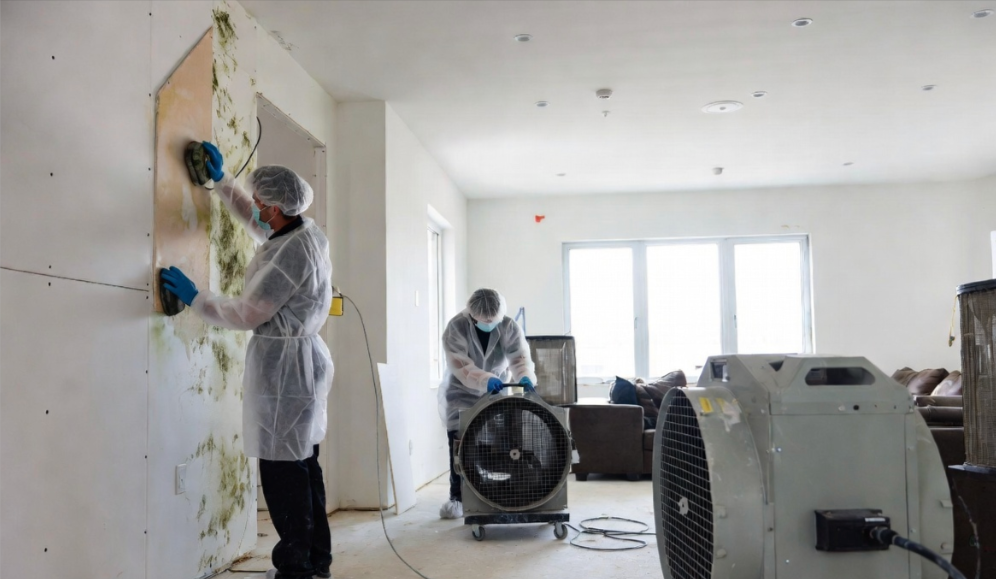
If the flooding is manageable, start by removing all furniture and belongings. Use pumps, wet vacs, and fans to remove as much water as possible, followed by strategic placement of dehumidifiers to help with drying.
4. Check for Mold
After your basement is dry, monitor for signs of mold. Mold can begin to grow within 24-48 hours of water exposure. If you see any signs, it’s crucial to address it immediately. Mold removal is a process best handled by professionals to ensure it’s completely eradicated.
5. Prevent Future Issues
Once everything is restored, take the time to revisit your prevention strategies. Regular maintenance can go a long way in keeping your basement dry and your home safe.
Here at Utah Flood Guys, we’re committed to helping Utah homeowners navigate both flood prevention and restoration solutions. Don’t let basement flooding bring you down—stay proactive and prepared!
You might also like
Utah Flood Guys Blog