The Role of Dehumidification in Effective Water Damage Restoration
When disaster strikes and water finds its way into your home or business, swift action is crucial. Whether it's from a burst pipe, a heavy rainstorm, or a malfunctioning appliance, water damage can wreak havoc on your property, leading to costly repairs and potential health hazards. Here at Utah Flood Guys, we've seen firsthand the impact of water damage, and we understand the importance of effective restoration techniques. One of the most vital tools in our arsenal? Dehumidification.
So, why is dehumidification such a big deal in the world of water damage restoration? Let’s break it down.
What Is Dehumidification?
Dehumidification is the process of reducing the moisture content in the air and materials within a space. When your property becomes waterlogged, the air can become saturated with humidity, creating an ideal breeding ground for mold and mildew. This excess moisture can also compromise the integrity of your home, damaging walls, ceilings, and flooring. A well-executed dehumidification strategy is essential to prevent these complications, and that’s where our expertise at Utah Flood Guys comes into play.
The Importance of Dehumidification in Restoration
1. Prevents Mold Growth
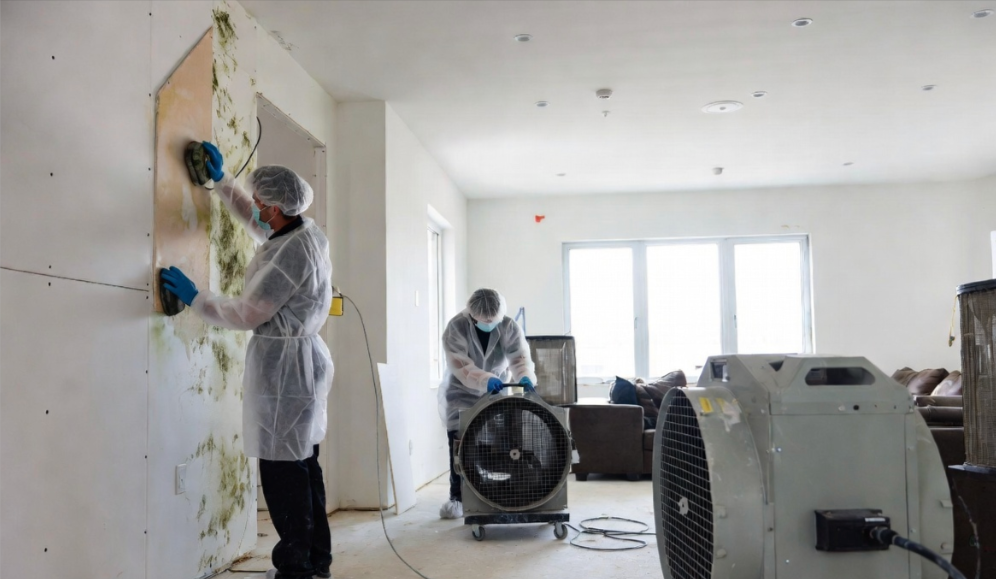
Mold can start to develop in as little as 24-48 hours after water exposure. This necessitates rapid dehumidification to keep your home mold-free. By lowering humidity levels, dehumidifiers inhibit the conditions conducive to mold growth. Our team utilizes high-capacity commercial dehumidifiers to ensure your property is protected, helping to eliminate both existing mold and future infestations.
2. Speeds Up Drying Processes
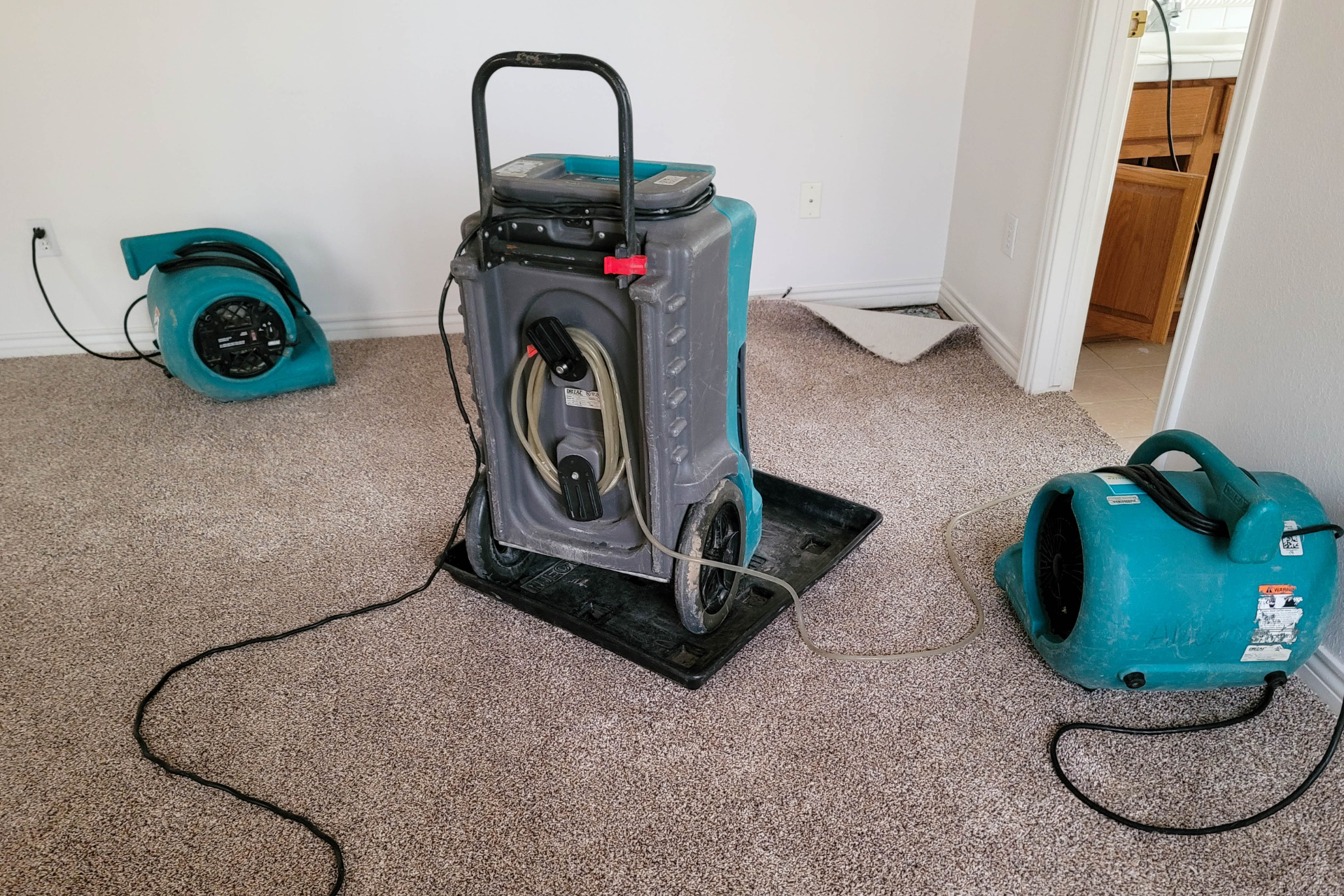
When time is of the essence, effective drying is key. Dehumidifiers work hand-in-hand with air movers to create airflow that enhances evaporation. This combination makes the drying process faster and more efficient, getting your property back to normal sooner. At Utah Flood Guys, we strategically position dehumidifiers and fans to maximize their effectiveness, ensuring that every nook and cranny dries out properly.
3. Protects Property Integrity
Excess moisture can cause serious structural issues over time. Wood can warp, paint can peel, and insulation can become waterlogged. By using dehumidification techniques, we help mitigate these risks, preserving the integrity of your building materials and ultimately saving you money in the long run. During the restoration process, we focus not just on immediate recovery but also on long-term health of your property.
4. Improves Indoor Air Quality
High humidity levels can lead to discomfort and health issues for you and your family or employees. It can exacerbate allergies and respiratory problems, turning your home or workplace into an uncomfortable environment. Reducing humidity improves indoor air quality, making your space healthier and more pleasant to be in. You’ll breathe easier knowing that your environment is safe and sound.
Conclusion
Dehumidification plays a vital role in comprehensive water damage restoration. It goes beyond simply drying out your space; it safeguards your health and property, ensuring a thorough recovery from water-related incidents. At Utah Flood Guys, our mission is to restore your peace of mind alongside your property. If you’re facing a water emergency, don’t hesitate to give us a call. With our team by your side, we’ll ensure that your space is back to normal in no time – humidity and hassle-free!
You might also like
Utah Flood Guys Blog