
What to Do if Your Basement Floods: Expert Tips for Utah Residents
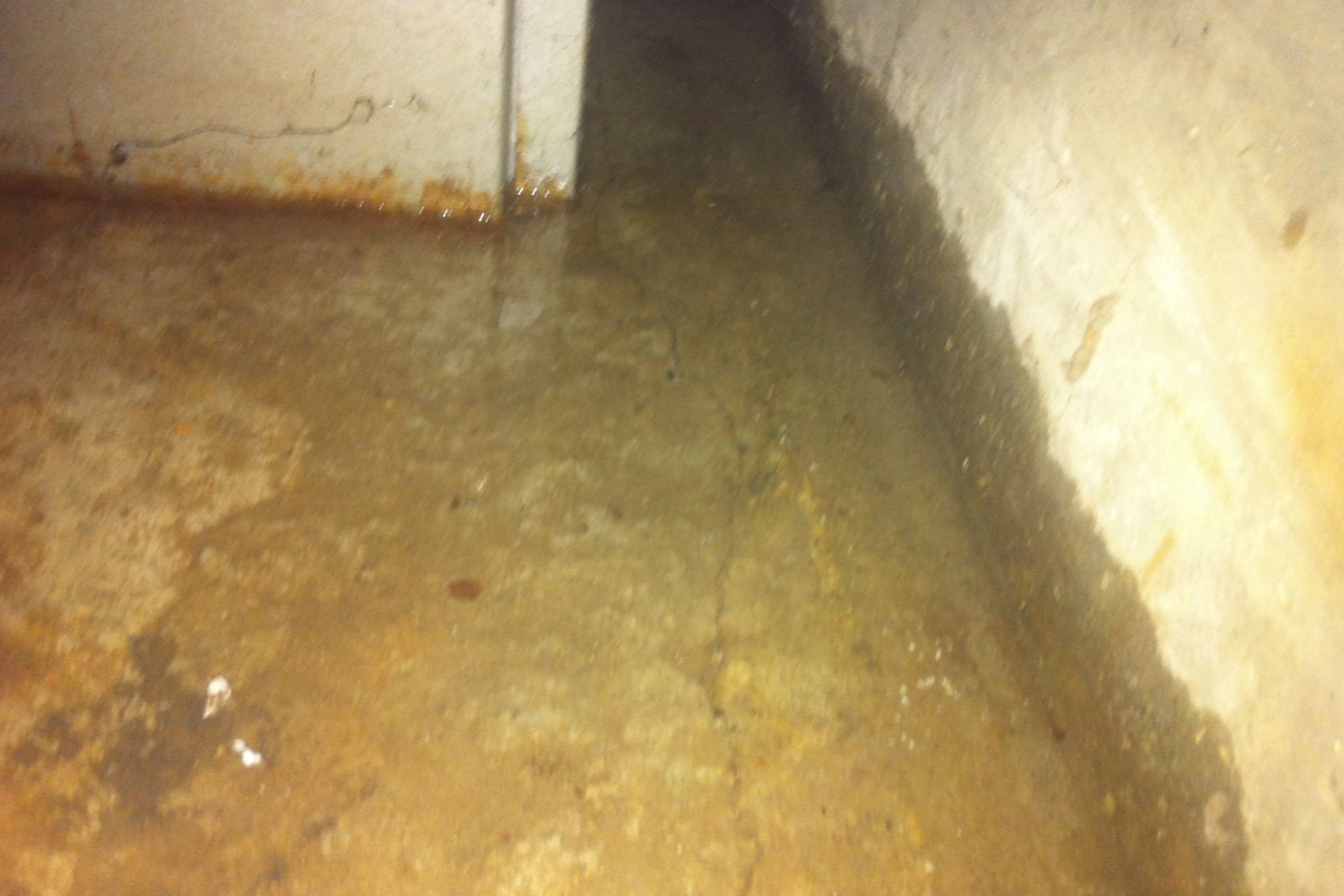
Hey there, Utah residents! If you’ve ever faced the unfortunate situation of a flooded basement, you know it can feel like a nightmare. Whether it’s caused by heavy rainfall, a broken pipe, or snowmelt, a basement flood can lead to significant damage and stress. But don’t worry! The Utah Flood Guys are here with some expert tips to help you handle the situation like a pro.
Stay Calm and Assess the Situation
First things first: breathe. It can be alarming to discover water pooling in your basement, but staying calm is crucial. Take a moment to assess the extent of the flooding. Is it just a few inches of water or is it deeper? Are there any electrical hazards in the area? Make sure to prioritize your safety: if the water level is high or there’s a chance of electrocution, it’s best to call in the professionals.
Shut Off Utilities If Necessary
If you can safely access your utility panel, turn off the electricity to the affected areas. This is especially important if the water is deep enough to touch outlets or appliances. Additionally, if you suspect the flood is caused by a plumbing issue, shut off the water supply to prevent further flooding.
Document the Damage
Before you start cleaning up, take photographs of the flooding and any damages. This documentation can be vital for insurance claims, so don’t skip this step! Make sure to capture all angles and any personal belongings that may have been affected.
Remove Standing Water
Once it’s safe to proceed, it’s time to tackle the water. If you have a sump pump, now is the time to put it to work! If you don't, using a wet/dry vacuum can also help remove standing water. However, avoid using a regular vacuum as it can pose electrical risks. If the water level is significant, consider calling the professionals at Utah Flood Guys who have the right equipment and expertise to handle the situation.
Dry Everything Out
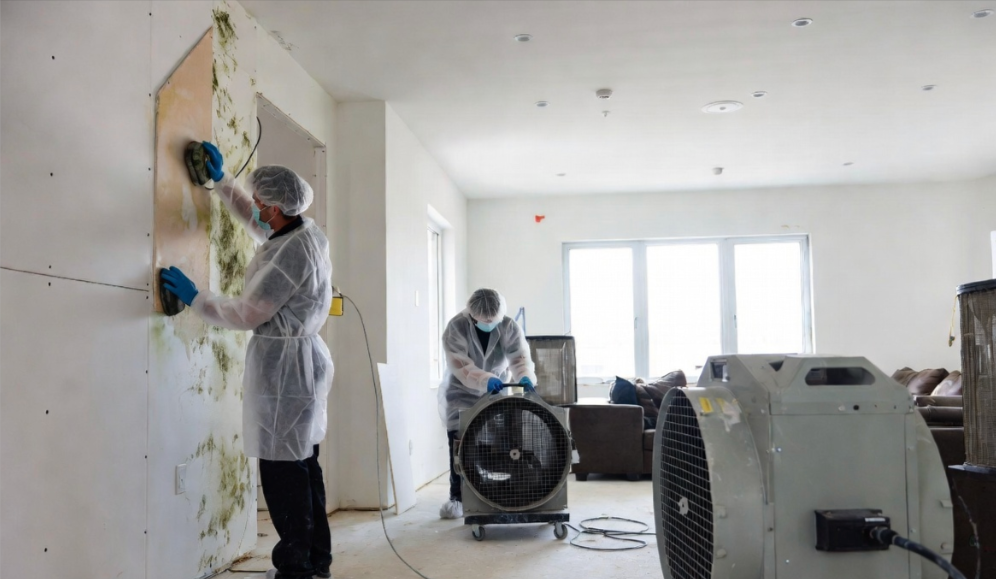
After you’ve removed the standing water, the next step is to dry out your basement. Open windows and doors to promote airflow if the weather allows. Use fans and dehumidifiers to get rid of excess moisture. The longer you wait, the higher the chances of mold growth, so act fast!
Check for Mold and Damage
Once your basement is dry, take a thorough look for any signs of mold or damage. Mold can develop within 24-48 hours, so be vigilant! If you notice mold growth, it's best to contact experts for safe removal. Mold remediation is crucial for your health and safety—don’t attempt it on your own if you’re not equipped.
Contact the Experts
If the damage is extensive or if you’re simply overwhelmed, don’t hesitate to reach out to the professionals at Utah Flood Guys. Our team specializes in residential and commercial water damage restoration, mold removal, and fire damage restoration. We’re here to help you get your basement back to its pre-flood condition quickly and safely.
Prevent Future Flooding
Finally, once your space is restored, take steps to prevent future flooding. This can include sealing cracks, installing sump pumps, proper drainage, and landscaping to divert water away from your home. Staying proactive is key!
Flooding can be a daunting experience, but with the right steps and support from Utah Flood Guys, you can navigate through the mess and come out ahead. Be safe and prepared—your peace of mind is worth it!
You might also like
Utah Flood Guys Blog