How Utah's Climate Affects Mold Growth and What You Can Do About It

If you’re a Utah resident, you know just how diverse our climate can be. From dry, arid summers to snowy winters, the weather here can be unpredictable. However, one thing remains a constant concern throughout the year: mold growth. At Utah Flood Guys, we specialize in disaster cleanup, and we want to shed some light on how our unique climate contributes to mold issues and what you can do to prevent them.
Understanding Mold Growth
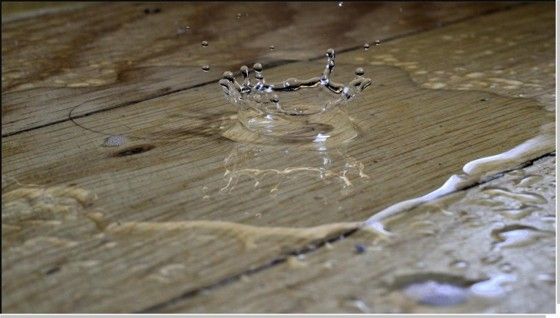
First, let’s understand why mold even occurs in the first place. Mold is a type of fungus that thrives in moist environments. While Utah is known for its generally dry climate, we experience significant humidity during spring and fall, especially after heavy rain or snowmelt. These brief periods of increased moisture can create an ideal environment for mold spores to settle and grow, especially in areas that don’t have adequate ventilation or are prone to water damage.
Seasonal Concerns
In winter, when we see heavy snow, the melting snow combined with indoor heating can create a humid atmosphere in your home. This contrast can cause condensation to form on windows, walls, and ceilings. Similarly, Utah's early spring rain can lead to water pooling around your home’s foundation or leaking into basements and crawl spaces, paving the way for mold growth if not managed properly.
During the summer months, while the heat keeps things dry outside, keep in mind that indoor humidity can still rise if your humidifier or air conditioning system is not functioning properly. The fluctuation of humidity and temperature can be a recipe for mold disaster if precautions aren’t taken.
What You Can Do About It
So, what are the proactive steps you can take to combat mold growth in Utah's climate? Here are some key strategies:
1. Keep Indoor Humidity Low
Aim for indoor humidity levels between 30-50%. You can use a dehumidifier if necessary, especially in basements or poorly ventilated areas.
2. Regular Maintenance
Check your roof and gutters regularly to ensure that there are no leaks or blockages that could lead to water overflow. Pay special attention to areas prone to water accumulation.
3. Ventilation
Ensure good air circulation in your home, especially in areas like bathrooms and kitchens. Use exhaust fans during cooking and after showering to reduce moisture buildup.
4. Perform Regular Inspections
Make it a habit to check your home for signs of mold, especially after heavy rains or snow melts. Look out for any water damage or discoloration on walls, floors, and ceilings.
5. Act Quickly
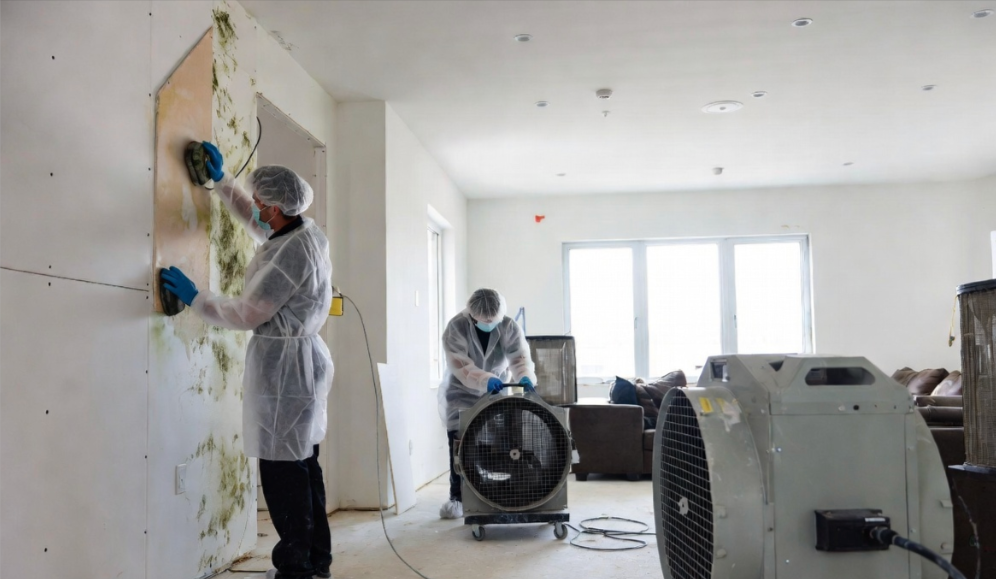
If you suspect mold has made an appearance, it’s crucial to address it swiftly. Depending on the extent of the problem, you might need professional help. That’s where Utah Flood Guys comes in.
Conclusion
Utah’s distinctive climate introduces particular challenges when it comes to mold growth. But with a little awareness and preventative action, you can significantly mitigate the risks. Should you ever find yourself dealing with mold or water damage, remember that Utah Flood Guys is right here to help. We specialize in mold remediation, ensuring that your home is safe and healthy for you and your family. Don’t wait for mold to steal your peace of mind; take charge today!
You might also like
Utah Flood Guys Blog