DIY Vs. Professional Water Damage Restoration: Pros And Cons
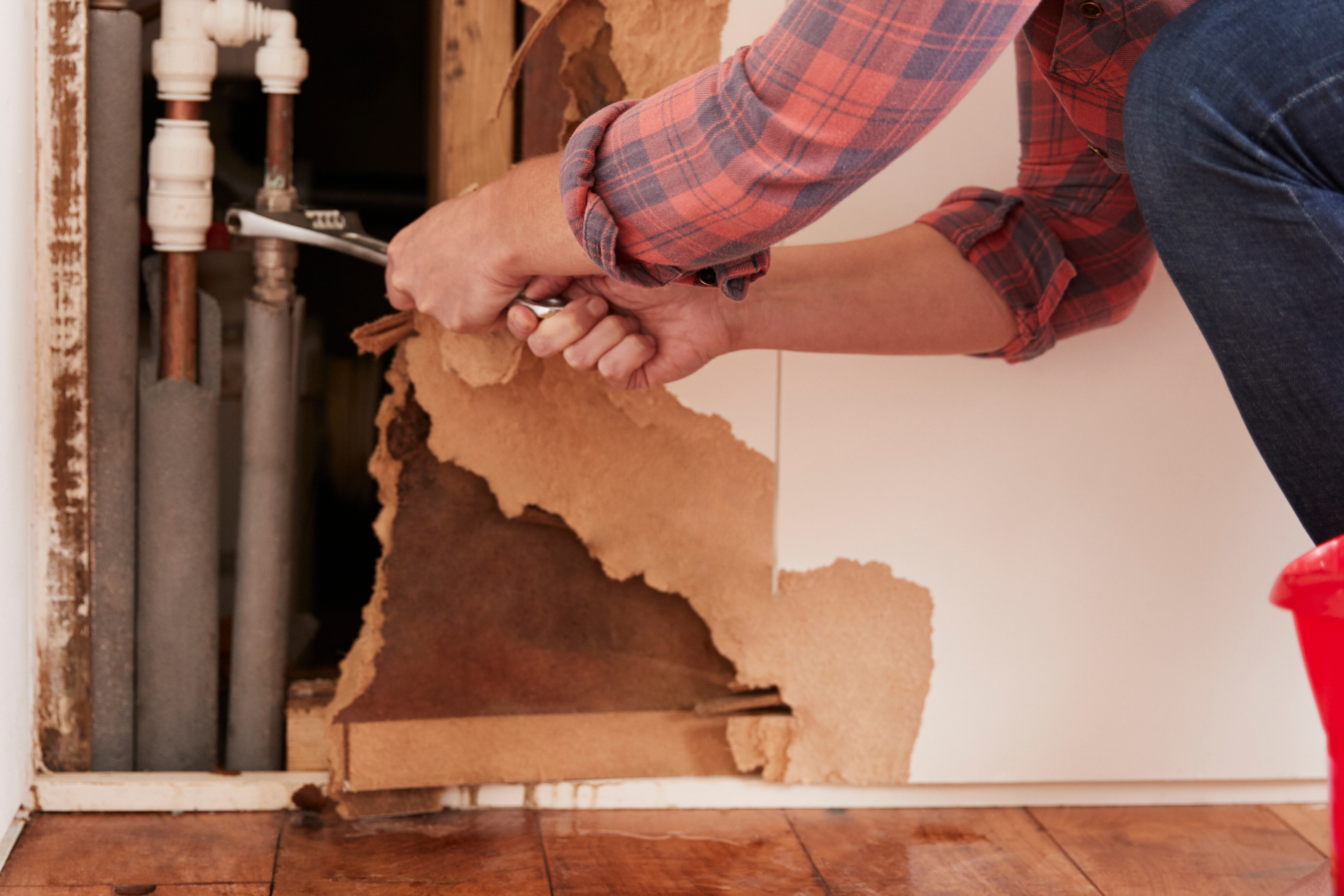
When disaster strikes and water damage occurs in your home or business, the first instinct for many might be to tackle the problem themselves. After all, how hard could it be to mop up a little water? However, when it comes to water damage restoration, a DIY approach might not always be the best route. Let’s dive into the pros and cons of going the DIY route versus hiring professionals like Utah Flood Guys, your trusted Utah restoration company.
The DIY Approach: Pros
1. Cost Savings
One of the most appealing factors of DIY water damage restoration is the potential for cost savings. By doing the work yourself, you can save on labor costs that come with hiring professionals.
2. Immediate Action
If you start the cleanup process right away, you can potentially limit the extent of the damage. Quick action can prevent mold growth and help salvage your belongings.
3. Satisfaction of Accomplishment
There’s a unique satisfaction that comes from rolling up your sleeves and taking control. Successfully managing a water damage situation can provide a sense of pride and accomplishment.
The DIY Approach: Cons
1. Lack of Expertise
Water damage restoration is not just about drying out the affected areas. It requires an understanding of water dynamics, materials, and potential health risks. Without the right knowledge, you might miss underlying issues that could cost you more in the long run.
2. Time-Consuming
Water damage restoration can be incredibly time-consuming. Between assessing the damage, cleaning up, and ensuring everything is properly dried, you may find that it consumes more of your time than you anticipated.
3. Health Risks
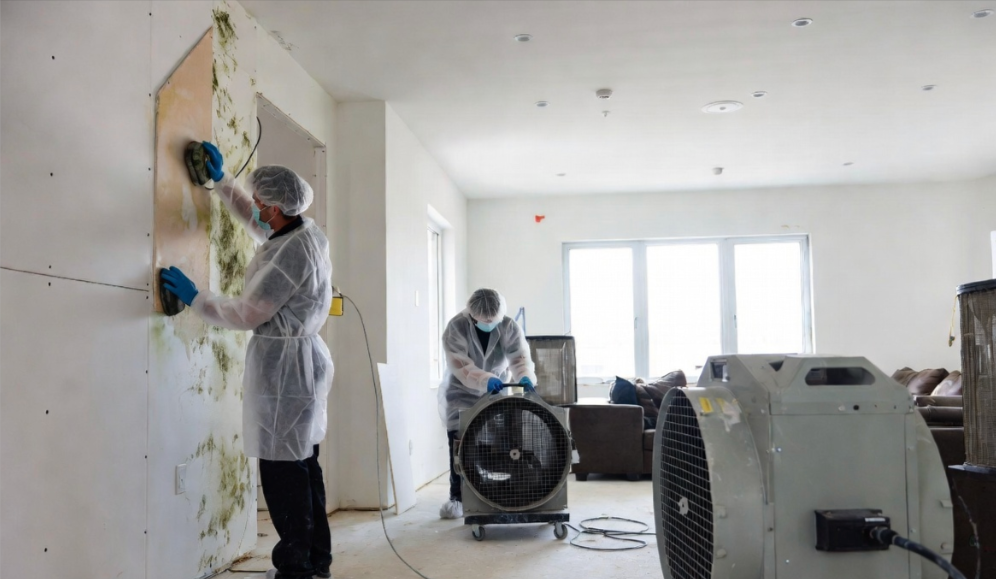
Standing water can harbor harmful bacteria and mold, which pose health risks to you and your family. DIYers without proper protective equipment might end up putting themselves at risk.
The Professional Approach: Pros
1. Expertise and Experience
When you hire a professional service like Utah Flood Guys, you’re getting a team of experts who have dealt with numerous water damage cases. They can assess the situation quickly, identifying hidden risks and addressing them effectively.
2. Advanced Equipment
Professionals use specialized equipment to thoroughly dry out and restore your property. From industrial-strength dehumidifiers to moisture meters, their tools are designed to tackle water damage and minimize further issues.
3. Insurance Assistance
A professional restoration company can often work directly with your insurance provider, helping you navigate the claims process. They’ll document the damage and restoration process, making it easier to get reimbursed.
The Professional Approach: Cons
1. Cost Considerations
Hiring professionals can be more expensive upfront. However, it’s crucial to weigh this against the potential costs of damage if the situation isn't handled correctly.
2. Dependence on Others
Relying on a team means you won’t have the same level of control over the process. You may also have to wait for technicians to be available, which could delay the restoration.
In conclusion, both DIY methods and professional restoration services have their pros and cons when it comes to water damage recovery. While tackling the situation yourself may seem appealing in terms of savings and immediacy, the expertise and efficiency provided by professionals like Utah Flood Guys can often save you time, stress, and further complications down the road. Ultimately, the best choice depends on the severity of the water damage and your own comfort level in handling such issues. Whatever you decide, remember that acting swiftly is key to minimizing damage!
You might also like
Utah Flood Guys Blog