Utah's Water Sources and Their Impact on Flooding Risks
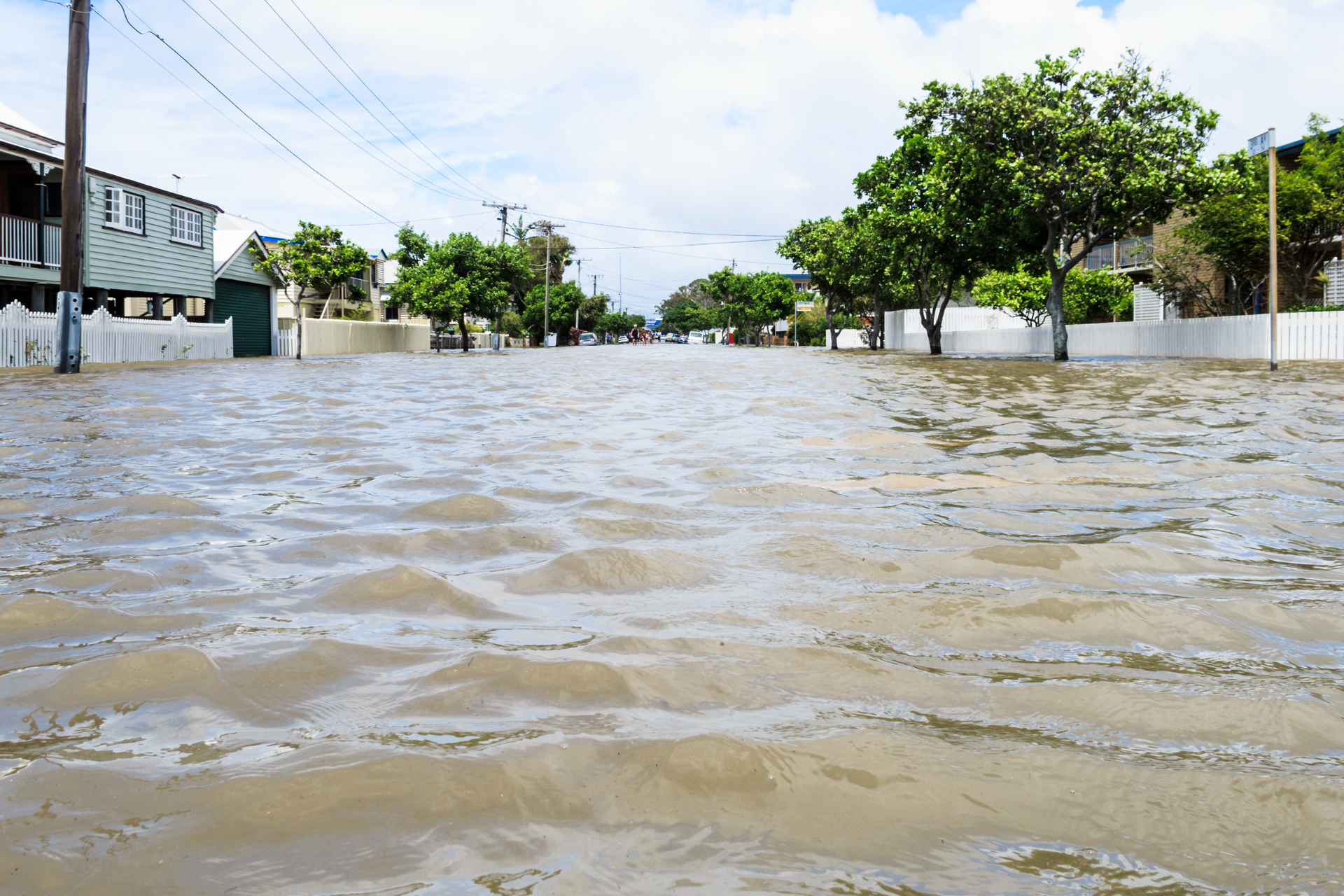
Hey there! If you’ve ever experienced the aftermath of a heavy rainstorm in Utah and found yourself dealing with unexpected water damage, you’re not alone. At Utah Flood Guys, we know that understanding the water sources around us is crucial to managing flood risks. Let’s dive into some of the major sources of water in our beautiful state and how they can impact flooding.
The Great Salt Lake & Future Flooding Risks
One of the most iconic features of Utah is the Great Salt Lake, the largest saltwater lake in the Western Hemisphere. As the lake level rises due to seasonal rain and snowmelt, it can lead to flooding in nearby areas, particularly in urban zones that weren’t originally built to handle such high water levels. When heavy rains hit, we need to be mindful of how this can back up drainage systems and cause water to spill into homes and businesses.
Rivers and Streams: Nature’s Lifelines… and Floodable Threats
Utah is crisscrossed by rivers and streams, including the Jordan River, Weber River, and Provo River. While these waterways sustain our local ecosystems, they also present risks of overflow during spring runoff, especially after an unusually heavy winter. The melting snow can quickly lead to swollen streams that overflow their banks, causing localized flooding. This is where Utah Flood Guys steps in — having a plan ready and knowing the signs when a river is on the verge of flooding can save you from the chaos.
Snowpack: A Double-Edged Sword
Winter in Utah brings a beautiful blanket of snow, but it’s essential to remember the role snowpack plays in our water sources. As temperatures start to rise in spring, that snow melts and fills our rivers, lakes, and reservoirs. An excessive amount can lead to rapid water flow and increased flood risks. By being aware of snowpack levels, you can better prepare for the spring months, when flooding is more likely to occur.
Urban Development: A Growing Concern
With Utah’s booming population, urban development continues to increase at a staggering rate. More roads and buildings mean less permeable surface for rainwater to soak into the ground. Urban areas can quickly become inundated with water during heavy downpours. As areas become more developed, ensuring stormwater management systems are in place is vital to mitigating flood risks. Homeowners and business owners should always stay alert to local regulations and recommendations when it comes to water drainage and landscaping.
Preparation and Prevention
So, what can you do to keep your home or business safe from floods? Start by learning about your surrounding area’s water sources and their historical flooding patterns. Familiarize yourself with your property’s drainage systems, and before a storm hits, make sure gutters and downspouts are clean and functioning properly. Investing in sump pumps or flood barriers may also be a wise decision, especially if you’re in a flood-prone area.
In the event of flooding, our team at Utah Flood Guys is here to help restore your property. We specialize in water damage, mold removal, and fire damage services to help you get back on your feet.
Raise your awareness about Utah's water sources and take action. Let’s keep our homes safe and resilient against flooding risks together!
You might also like
Utah Flood Guys Blog