The Complete Guide to Safe Mold Removal: What You Should Expect
Mold is an unwelcome guest that can sneak into our homes and businesses, often without us even realizing it. If you’ve experienced water damage, it’s crucial to act swiftly and safely to address any potential mold issues. At Utah Flood Guys, we understand the importance of a thorough and professional mold removal process. Here’s what you should know about safe mold removal and what to expect when you reach out to us.
Understanding Mold
Mold thrives in damp, humid environments. It can grow on various surfaces, including wood, drywall, and even your beloved furniture. Not only can mold damage your property, but it can also pose health risks, especially for those with respiratory issues or weakened immune systems. This makes early detection and removal essential for maintaining a healthy indoor environment.
Signs of Mold
Before you can tackle a mold problem, you need to know what to look for. Common signs of mold include:
- A musty odor
- Discoloration on walls, ceilings, or floors
- Water stains from previous leaks
- Increased allergy symptoms, like sneezing and coughing
If you notice these signs, it’s time to call in the professionals.
The Mold Removal Process
When you contact Utah Flood Guys for mold removal, you can expect a systematic approach that prioritizes safety and effectiveness.
1. Inspection and Assessment
The first step we take is to conduct a thorough inspection of your property. We’ll look for visible mold, as well as areas that may be at risk due to moisture. Our team will assess the extent of the damage and develop a plan tailored to your situation.
2. Containment
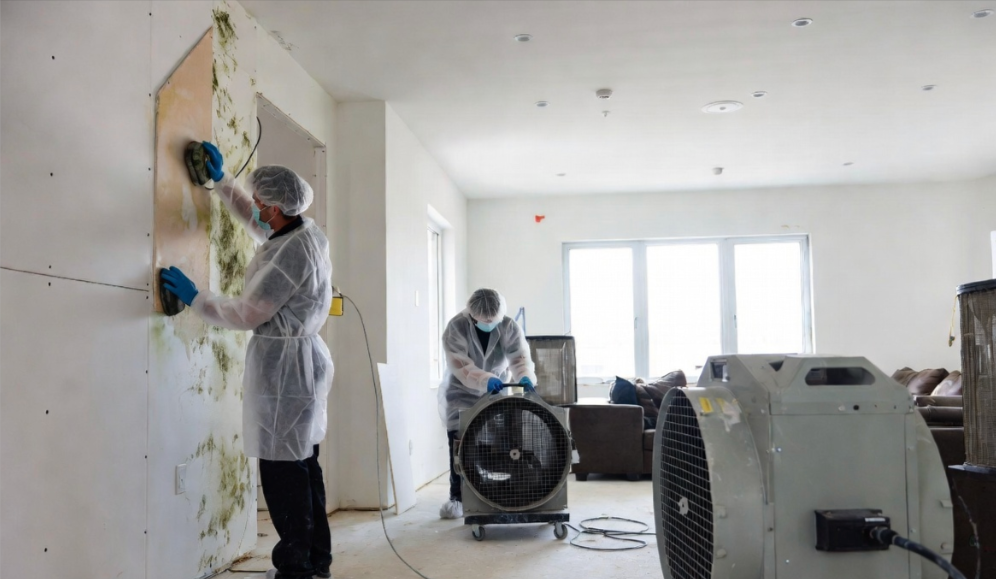
To prevent mold spores from spreading during the removal process, we will set up containment areas. This could involve using plastic sheeting and negative air pressure machines to ensure that the affected area is sealed off from the rest of your home or business.
3. Air Filtration and Cleaning
We use specialized air filtration systems to capture mold spores and prevent them from circulating in the air. This step is crucial for maintaining good indoor air quality, especially if anyone in the space has health concerns.
4. Mold Removal
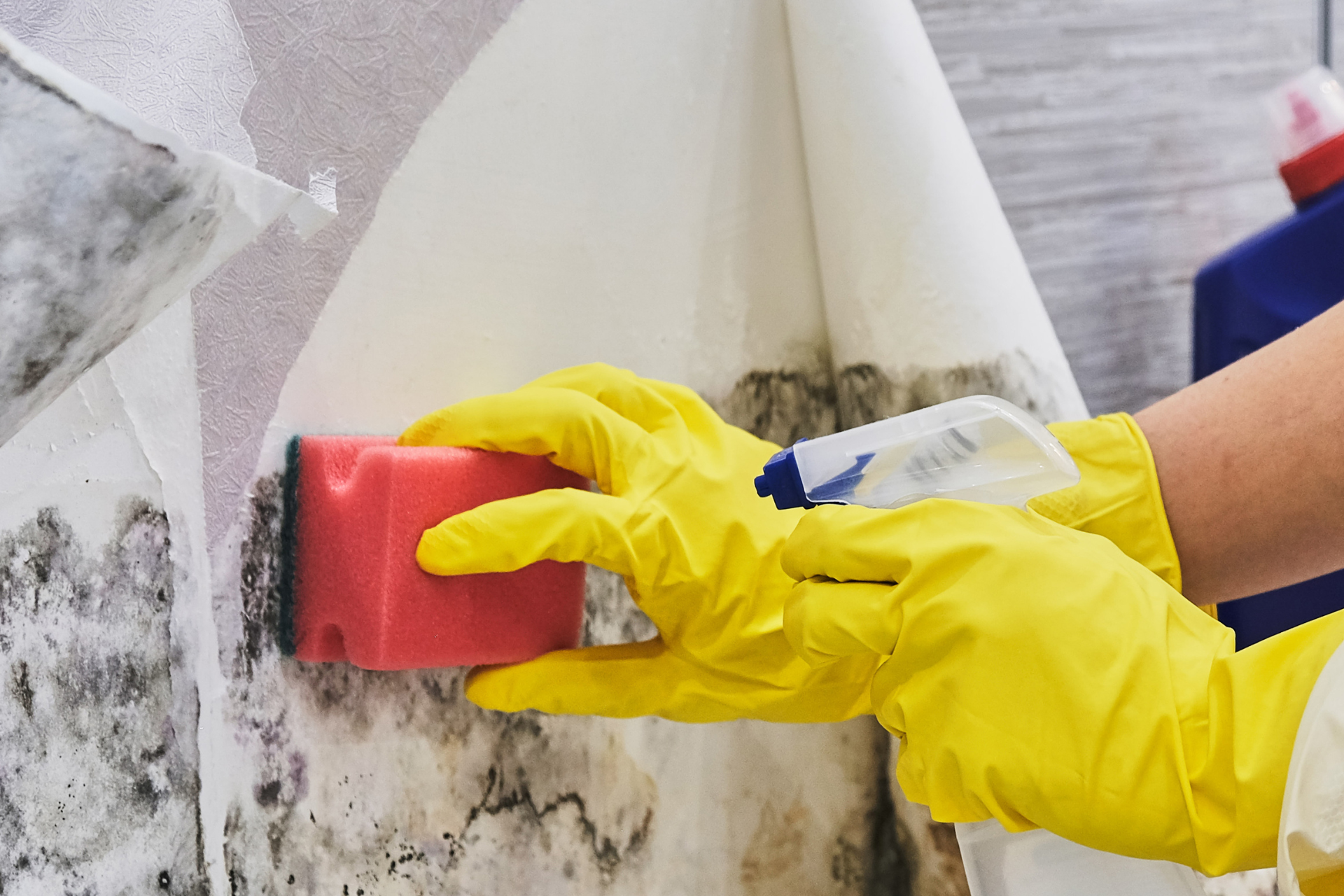
Once containment and air filtration are in place, our trained professionals will begin the mold removal process. This may include scrubbing surfaces with mold-killing solutions, removing and disposing of contaminated materials, and cleaning affected areas thoroughly.
5. Restoration
After the mold is removed, we’ll focus on restoring your property to its pre-damage condition. This might involve repairs, painting, or even rebuilding sections that were significantly affected. Our goal is to ensure your space is not only mold-free but also safe and comfortable.
6. Prevention Tips
To keep mold at bay in the future, we’ll provide you with practical tips. This includes controlling humidity levels, ensuring proper ventilation, and addressing any leaks immediately. Prevention is key to avoiding a mold reoccurrence!
Conclusion
Mold removal is not a do-it-yourself task. It requires expertise, experience, and the right equipment to ensure it’s done safely and effectively. At Utah Flood Guys, we’re here to help you every step of the way. If you suspect mold in your home or business, don’t wait—contact us today for a comprehensive inspection and to regain peace of mind! Remember, a healthy environment starts with prompt action against mold.
You might also like
Utah Flood Guys Blog