The Dangers of Mold Exposure: Health Risks and Safety Tips
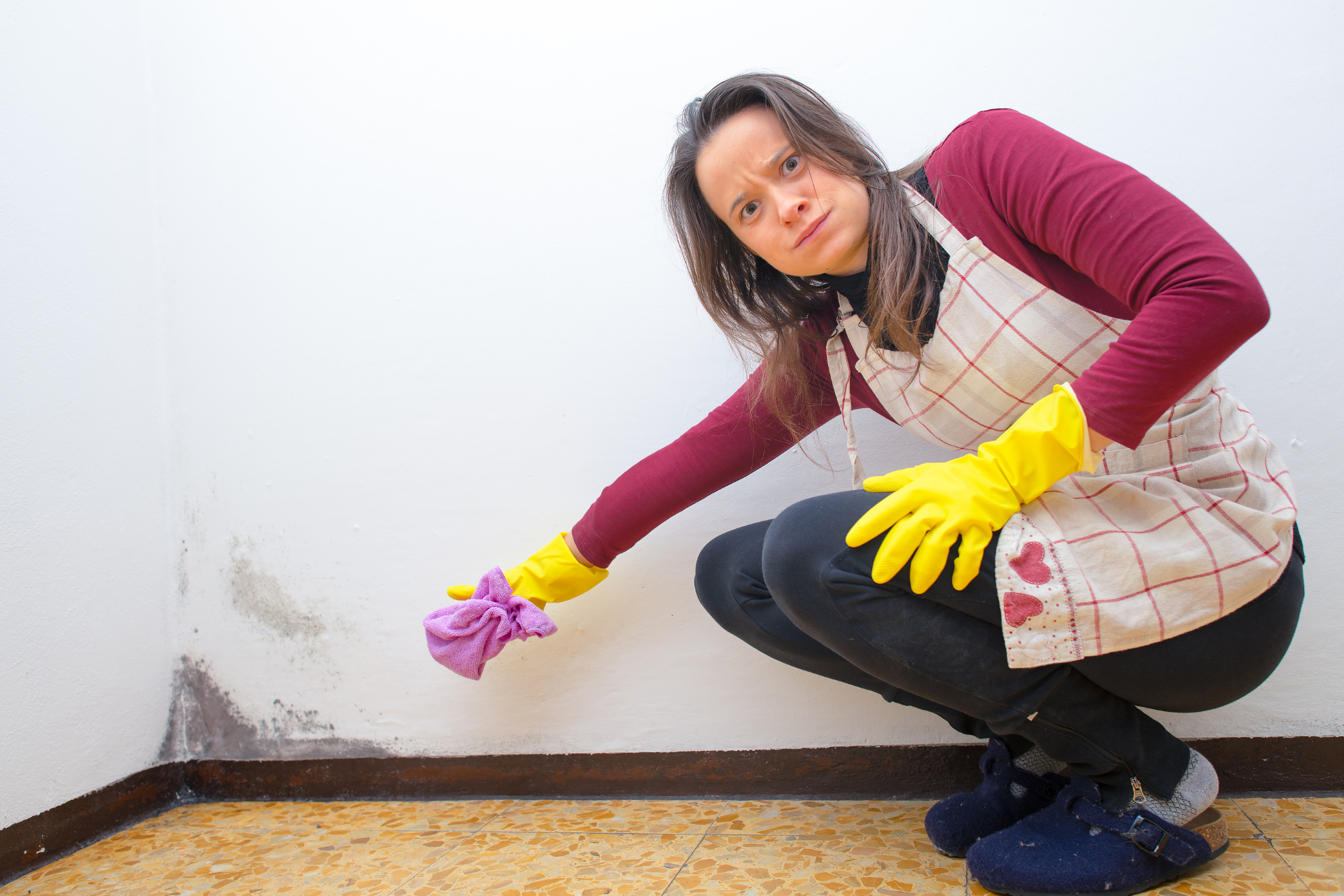
Welcome back, folks! Today, we're diving into a topic that might not be top of mind for many, but it's crucial to our health and safety: mold exposure. Mold – it's more than just unsightly spots on your walls or ceilings. The truth is, mold can pose serious health risks, and it's essential to be informed about its dangers and how to protect yourself and your loved ones from potential harm.
At Utah Flood Guys, we understand the importance of addressing mold issues promptly and effectively. As a leading restoration company in Utah, we've seen firsthand the negative impact mold can have on homes and businesses. From respiratory problems to allergic reactions, the effects of mold exposure can be detrimental if not properly addressed.
So, let's break it down. What are the health risks associated with mold exposure? Mold produces allergens, irritants, and sometimes toxic substances known as mycotoxins. When mold spores are inhaled or come into contact with the skin, they can trigger a range of health issues, including:
1. Respiratory Problems
Mold exposure can exacerbate existing respiratory conditions like asthma and allergies, leading to symptoms such as coughing, wheezing, and shortness of breath.
2. Allergic Reactions
Some individuals may be sensitive to mold spores, experiencing allergic reactions like sneezing, itching, watery eyes, and skin rashes.
3. Sinus Infections
Prolonged exposure to mold can increase the risk of sinus infections, causing symptoms such as nasal congestion, headaches, and facial pain.
4. Fatigue and Headaches
Mold exposure has been linked to chronic fatigue syndrome and frequent headaches in some individuals.
5. Immune System Suppression
For those with weakened immune systems, such as children, the elderly, or individuals with pre-existing health conditions, mold exposure can pose a more severe threat.
Now that we've covered the potential health risks, let's shift our focus to safety tips for dealing with mold in your home or business. Here are some practical suggestions to help you stay safe and prevent mold growth:
1. Identify and Address Water Damage
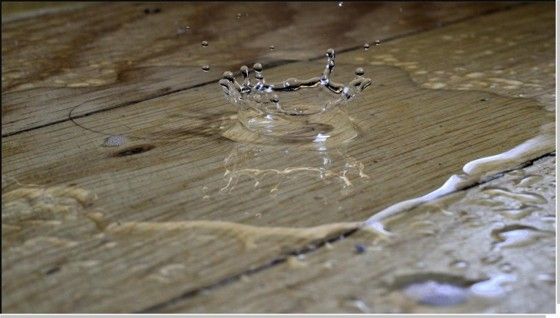
Mold thrives in moist environments, so be proactive in addressing any water leaks, flooding, or condensation issues in your property.
2. Ventilation is Key
Proper ventilation can help reduce moisture levels and inhibit mold growth. Use exhaust fans in kitchens and bathrooms, and consider installing a dehumidifier in damp areas.
3. Regular Inspections
Keep an eye out for signs of mold, such as musty odors, discoloration on walls or ceilings, or visible growth. Promptly address any mold infestations to prevent further spread.
4. Protective Gear
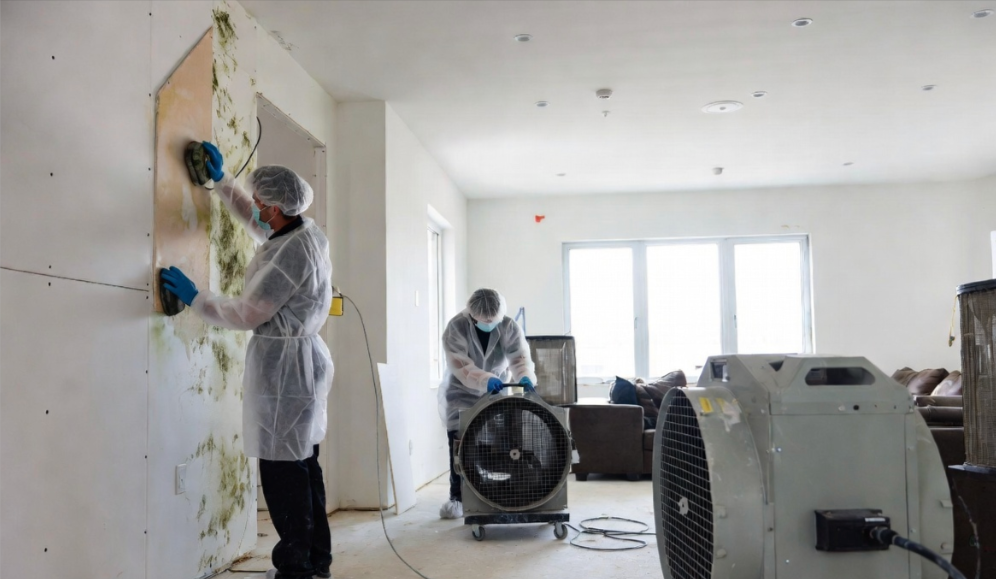
When cleaning or removing mold, wear protective gear such as gloves, goggles, and a mask to prevent exposure to mold spores.
5. Professional Help
For extensive mold growth or persistent issues, seek the assistance of a licensed mold remediation company like Utah Flood Guys to safely and effectively remove mold from your property.
Remember, when it comes to mold exposure, prevention is key. By taking proactive steps to address moisture issues and eliminate mold growth, you can create a safer and healthier environment for yourself and your family.
At Utah Flood Guys, we're here to support you in your mold remediation needs. Whether you're facing water damage, mold issues, or fire damage, our experienced team is ready to provide expert solutions to restore your property. Contact us today for professional restoration services that you can trust.
Stay safe, stay informed, and let's work together to combat the dangers of mold exposure. Until next time, take care!
You might also like
Utah Flood Guys Blog