Understanding the Different Types of Water Damage and Their Risks

Water damage is a common issue faced by homeowners and businesses alike. Whether it's from a burst pipe, a natural disaster, or a leaking roof, water damage can wreak havoc on your property if not addressed promptly. It's important to understand the different types of water damage and the risks they pose in order to take the necessary steps to mitigate the damage. In this blog post, we'll explore the various types of water damage and the potential risks associated with each.
1. Clean Water Damage:
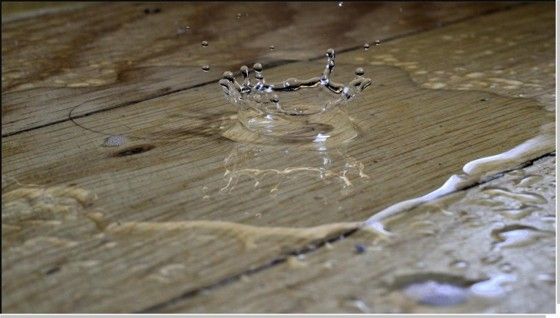
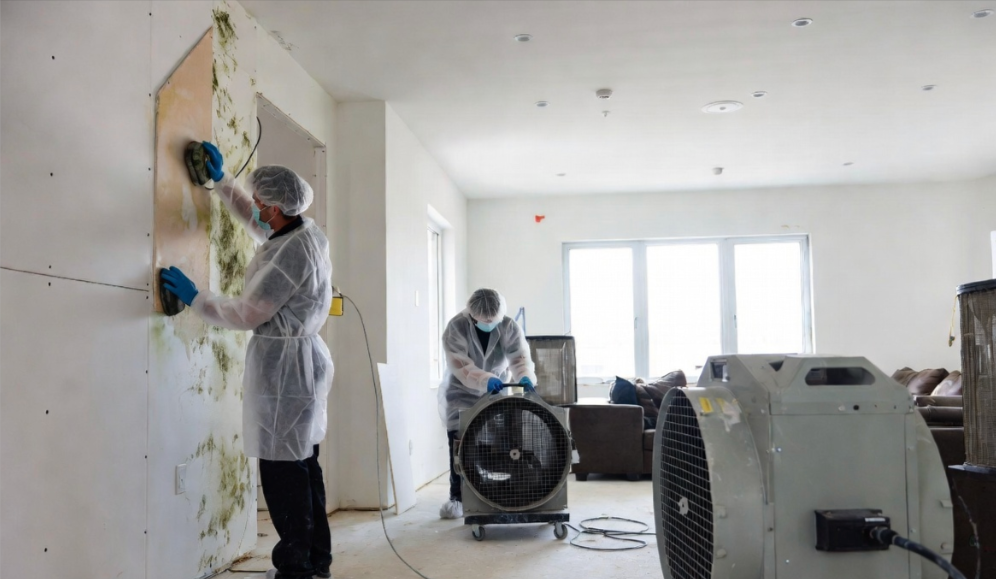
Clean water damage is caused by fresh water sources such as burst pipes, overflowing sinks, or rainwater. While clean water may not pose an immediate health risk, it can still cause significant damage to your property if left untreated. The main risk associated with clean water damage is the potential for mold growth if the water is not dried out quickly and effectively. Mold can start to grow within 24 to 48 hours of water exposure, leading to health issues and further damage to your property.
2. Grey Water Damage:
Grey water damage is caused by water that contains some degree of contamination, such as water from washing machines, dishwashers, or showers. This type of water damage may contain chemicals, dirt, and other contaminants that can pose health risks if ingested or if it comes into contact with your skin. Grey water damage should be treated promptly to prevent the growth of harmful bacteria and mold. If not addressed quickly, grey water can turn into black water, which poses even greater health risks.
3. Black Water Damage:
Black water damage is the most severe type of water damage and is caused by highly contaminated water sources such as sewage backups, flooding from rivers or streams, or water from hurricanes or other natural disasters. Black water contains pathogens, bacteria, and other harmful contaminants that can pose serious health risks to anyone exposed to it. In addition to the health risks, black water damage can also cause extensive structural damage to your property and may require a thorough cleanup and restoration process.
4. Structural Risks:
Regardless of the type of water damage, all forms of water intrusion pose structural risks to your property. Water can weaken the structural integrity of your building, leading to issues such as rotting wood, warped floors, and compromised foundations. If left unchecked, water damage can result in costly repairs and potentially even render your property uninhabitable. It's crucial to address water damage promptly and thoroughly to prevent long-term structural issues.
Utah Flood Guys is here to help you navigate the complexities of water damage restoration. Our team of experts specializes in residential and commercial water damage cleanup, mold removal, and fire damage restoration. With years of experience in the industry, we understand the importance of swift and efficient water damage restoration to minimize risks to your property and health.
Don't let water damage wreak havoc on your property. Contact Utah Flood Guys today for professional water damage restoration services tailored to your specific needs. Let us help you restore your property to its pre-damage condition and provide you with peace of mind knowing that your property is in good hands. Stay safe, stay informed, and stay protected against the risks of water damage.
You might also like
Utah Flood Guys Blog