
Seasonal Tips: Preparing Your Home for Winter to Prevent Damage
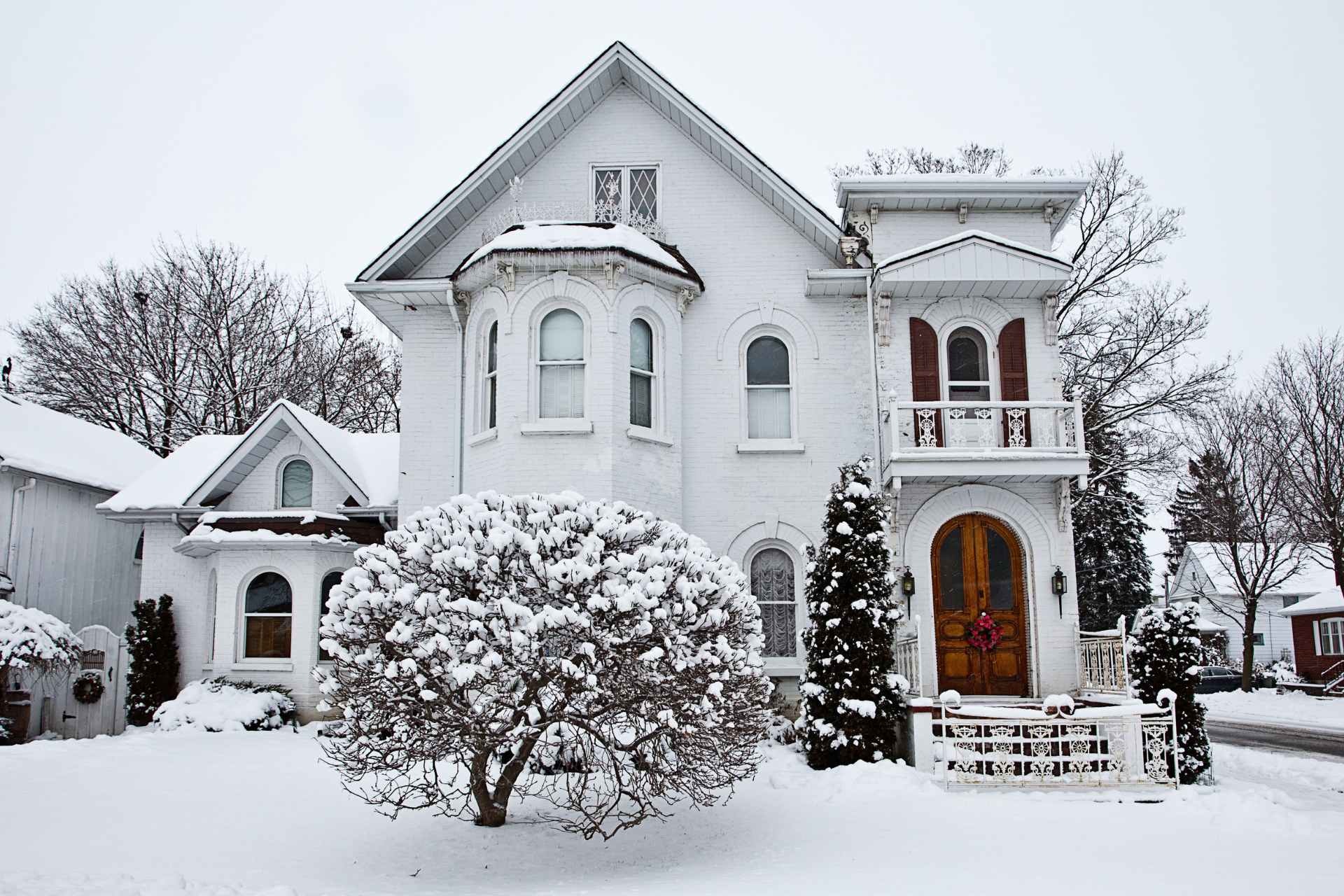
As the temperature drops and the days get shorter, it's a clear indication that winter is fast approaching. While many of us look forward to cozy nights by the fireplace and steaming mugs of hot chocolate, it's essential to remember that winter weather can wreak havoc on our homes. From burst pipes to ice dams, the cold season can bring a host of challenges that can lead to costly damage. That's why it's crucial to take proactive steps to prepare your home for winter and prevent any potential disasters. Here at Utah Flood Guys, we understand the importance of safeguarding your home against winter's wrath. In this blog post, we'll share some seasonal tips to help you get your home winter-ready and avoid the need for restoration services.
Inspect Your Roof and Gutters
One of the most critical areas to focus on when preparing your home for winter is your roof. Take the time to inspect your roof for any signs of damage, such as missing or damaged shingles. Make sure to address any issues promptly to prevent water leaks during winter storms. Additionally, clean out your gutters and downspouts to ensure proper drainage and reduce the risk of ice dam formation. Clogged gutters can lead to water backup, which can cause damage to your roof, walls, and foundation.
Seal Cracks and Gaps
Cold air can find its way into your home through cracks and gaps around windows, doors, and other openings. Seal these areas with caulk or weatherstripping to prevent heat loss and keep your home warm and cozy during the winter months. Not only will this help you save on energy bills, but it will also reduce the risk of frozen pipes and water damage.
Protect Your Pipes
Frozen pipes are a common winter problem that can result in costly water damage. To prevent your pipes from freezing, insulate exposed pipes in unheated areas of your home, such as basements, attics, and crawl spaces. Keep your home heated to a consistent temperature, even when you're away, to maintain a warm environment for your pipes. In extremely cold weather, let faucets drip to relieve pressure and prevent freezing.
Trim Trees and Branches
Winter storms can bring strong winds and heavy snow, which can cause trees and branches to fall and damage your home. Before winter sets in, trim any overhanging branches near your home and remove dead or weak trees that could pose a threat during a storm. This simple step can help prevent damage to your roof, windows, and siding.
Prepare Your Heating System
Your heating system works hard to keep your home warm during the winter, so it's essential to give it the attention it deserves. Schedule a professional inspection and maintenance service for your furnace or heating system to ensure that it's working efficiently and safely. Clean or replace air filters regularly to improve indoor air quality and maximize energy efficiency.
Stock Up on Emergency Supplies
Lastly, it's a good idea to stock up on emergency supplies in case of a winter storm or power outage. Keep a supply of food, water, batteries, flashlights, and blankets on hand to stay safe and comfortable during an emergency situation. Consider investing in a generator to provide backup power for essential appliances.
By following these seasonal tips and taking proactive measures to prepare your home for winter, you can avoid potential damage and the need for restoration services. At Utah Flood Guys, we are here to help you in case of any water damage, mold issues, or fire damage that may occur despite your best efforts to prevent them. Stay warm, stay safe, and enjoy a cozy winter season in your well-prepared home!
You might also like
Utah Flood Guys Blog