The Best Mold Prevention Tips for Utah Homeowners
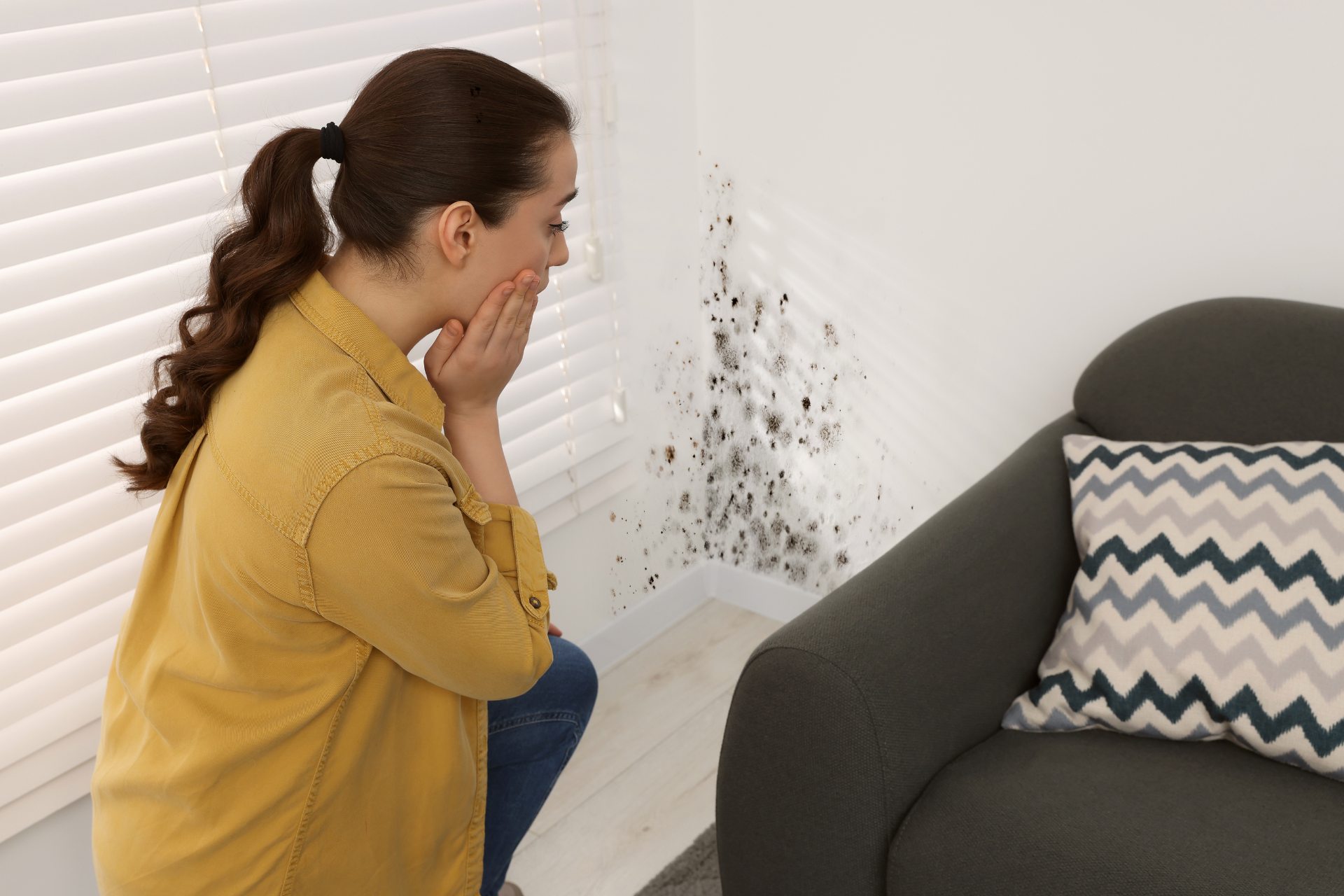
As a Utah homeowner, you take pride in your property—a haven to create memories, nurture your family, and enjoy life. However, lurking behind the scenes could be a menace that puts your sanctuary at risk: mold. The high desert climate can create unique challenges, especially when it comes to managing humidity levels and the potential for water damage. But worry not! Utah Flood Guys is here to provide you with some essential mold prevention tips to protect your home.
1. Keep It Dry
Mold thrives in moist environments, so keeping your home dry is key. First and foremost, ensure that any leaks from roofs, plumbing, or appliances are promptly fixed. Regularly check areas like under sinks, in basements, and around windows for signs of moisture. You should also have good drainage around your home’s foundation. Gutters should be cleaned and functioning properly to redirect water away from the house.
2. Control Humidity Levels
With the dry climate in Utah, it might be easy to overlook humidity, but indoor humidity can still rise, especially during certain seasons. Use dehumidifiers in high-risk areas such as basements and bathrooms to maintain a humidity level of 30-50%. Investing in a hygrometer can help you monitor your home's humidity, allowing you to take action when levels rise.
3. Proper Ventilation
Proper airflow is essential in preventing mold growth. Make sure your home is well-ventilated—especially in areas like kitchens and bathrooms. Use exhaust fans while cooking and showering to pull humidity out of the home. Open windows when possible to let fresh air circulate. If bathrooms or laundry rooms have no windows, consider installing exhaust vents.
4. Insulate Properly
In colder months, condensation on cold surfaces like pipes, windows, and walls can create a prime environment for mold. Insulate these areas to prevent condensation from forming. It not only helps with mold prevention but can also help reduce energy costs!
5. Use Mold-Resistant Products
When it’s time to renovate or remodel, opt for mold-resistant materials such as drywall and paint. These products are designed specifically to repel moisture and deter mold growth, making them an excellent investment for your home.
6. Regular Cleaning
Regularly clean areas prone to moisture with mold-fighting solutions. This includes washing shower curtains, cleaning bathroom walls, and scrubbing any visible mold spots. A simple mix of vinegar and water can effectively tackle these areas while keeping your home free from harsh chemicals.
7. Store Items Safely
When storing items in damp areas like basements, use plastic bins with airtight seals instead of cardboard boxes. Make sure you’re not storing items directly on the floor to prevent moisture transfer. Consider keeping your stored belongings elevated on shelves to promote air circulation.
8. Monitor Indoor Plants
Indoor plants can increase humidity levels, so it’s important to monitor their care. Overwatering them or allowing them to sit in water can lead to mold growth in the soil. Make it a habit to check for water accumulation regularly!
Conclusion
By proactively implementing these mold prevention tips, you can keep your Utah home safe and healthy. Remember, if you ever face water damage or mold issues, Utah Flood Guys is just a call away, ready to assist with our comprehensive restoration services. Protecting your home from mold not only enhances its integrity but also preserves the warmth and comfort it provides to your family. Let’s keep those memories mold-free!
You might also like
Utah Flood Guys Blog