
How to Remove Smoke Odor from Your Home After a Fire
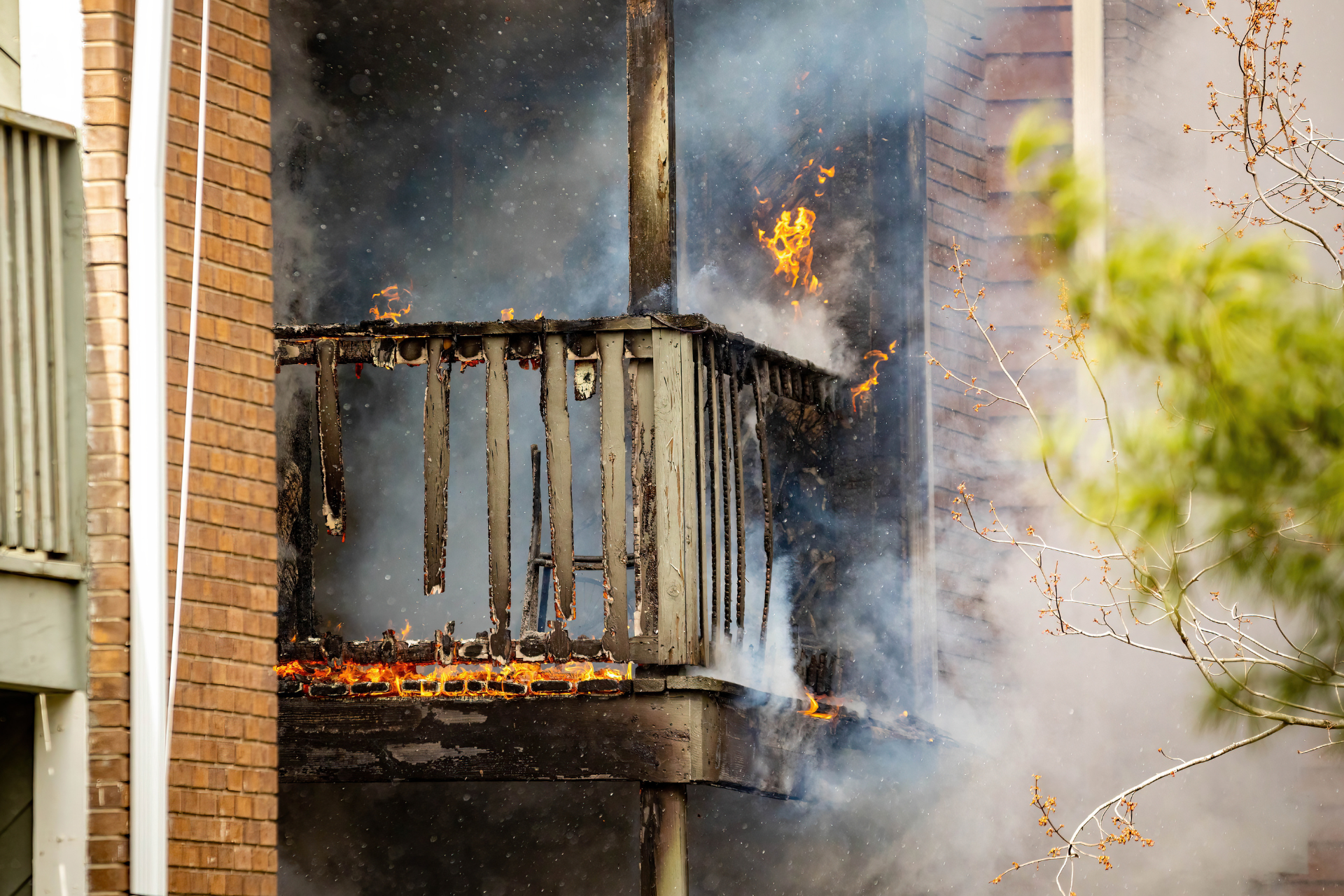
Experiencing a fire in your home is one of the most distressing events a family can face. Beyond the immediate dangers and damages, one lingering issue can put a damper on the recovery process: smoke odor. If you’ve found yourself grappling with this unwelcome scent, don’t worry! At Utah Flood Guys, we specialize in restoring homes after disasters — including that stubborn smoke smell. Here’s a practical guide to help you reclaim your space.
1. Assess the Damage
After ensuring that your home is safe and that all fires are fully extinguished, begin by evaluating the extent of the smoke damage. Areas closest to the fire will usually have the strongest odors. Check walls, ceilings, upholstery, and personal items. Taking stock of what materials have been affected will guide you in your cleaning efforts.
2. Ventilation is Key
One of the simplest and most effective ways to combat smoke odor is through ventilation. Open all windows and doors to let fresh air circulate throughout your home. If possible, use fans to help push stale air out. A good breeze can do wonders in reducing that lingering smell and preparing your space for deeper cleaning.
3. Clean Surfaces Thoroughly
Smoke particles can cling to every surface, so a detailed cleaning is essential. Start with surfaces like walls and ceilings. Use a mixture of mild soap and water to wipe them down. For tougher stains, consider a vinegar-water solution or a commercial smoke cleaner. Remember to work from the top down to avoid spreading soot to lower areas.
Don’t forget about fans, registers, and light fixtures — these can harbor smoke residue too. And while you’re on the cleaning spree, take a look at your floors! Whether you have hardwood or carpet, a deep clean will help lift the odors.
4. Freshen Fabrics
Upholstered furniture and fabrics are notorious for absorbing smoke smells. If your couch, curtains, or carpets have been affected, you have a few options:
- Wash what you can
Many cushion covers and curtains can go in the washing machine. Follow the care labels carefully!
- Deodorize carpets
For carpets, sprinkle baking soda generously, let it sit for a few hours (or overnight), and then vacuum. This natural deodorizer can absorb odors effectively.
- Consider professional cleaning
If the odor persists, it might be best to hire a professional upholstery and carpet cleaner who has experience with fire damage.
5. Address the Air Quality
Even after cleaning surfaces and fabrics, smoke particles can linger in the air. Consider investing in air purifiers with HEPA filters specifically designed to capture smoke particles. You can also use ozone machines but proceed with caution; they can be harmful if not used properly. Ensure that the space is unoccupied during ozone treatment and always ventilate afterward.
6. Seek Professional Help
Sometimes, despite our best efforts, smoke odor just won’t budge. If you find yourself in this situation, call in the professionals. At Utah Flood Guys, we have the tools, techniques, and expertise to handle fire damage restoration comprehensively. We can help you not only remove smoke odors but also assess and address any underlying issues in your home.
Overcoming the aftermath of a fire is undoubtedly challenging, but with patience and the right approach, you can successfully restore comfort to your home. Remember, you’re not alone in this journey. Utah Flood Guys is here to support you every step of the way!
You might also like
Utah Flood Guys Blog