Water Damage: Causes, Effects, and Prevention Tips
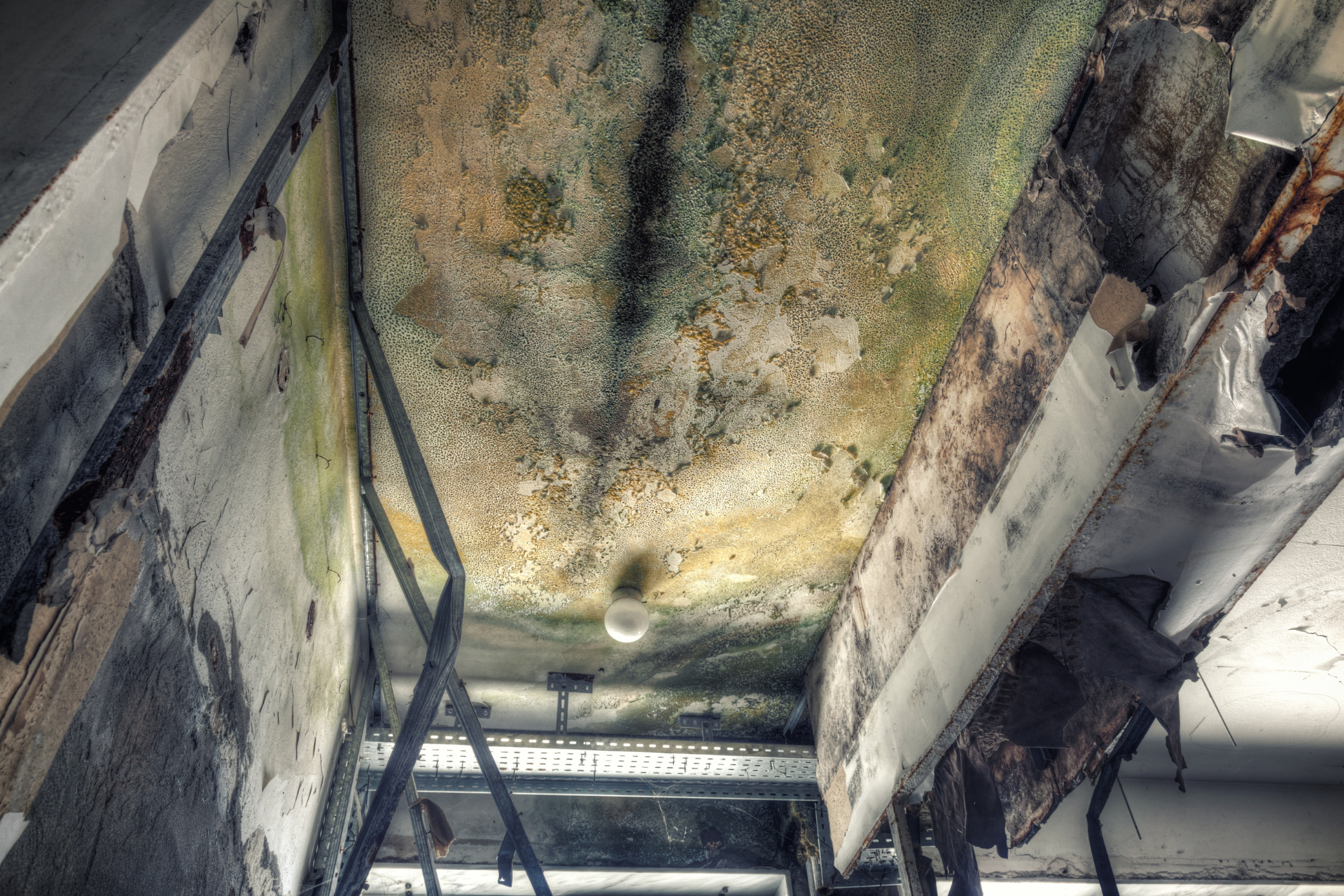
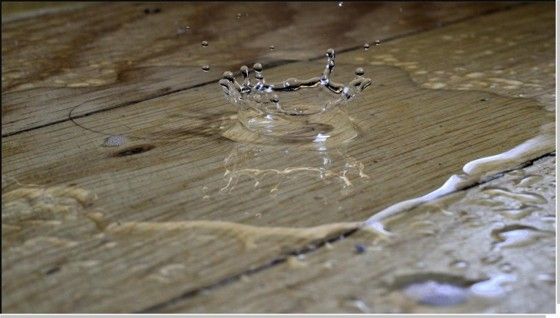
Water damage is a common problem that can wreak havoc on homes and businesses, causing costly repairs and posing health risks if not addressed promptly. As the saying goes, prevention is better than cure, and understanding the causes and effects of water damage can help you take proactive steps to protect your property. In this blog post, we'll explore the potential causes of water damage, its effects on your home or business, and share some valuable prevention tips to help you avoid costly damage in the future.
Causes of Water Damage
Water damage can be caused by a variety of factors, ranging from minor leaks to major flooding. Some of the most common causes of water damage include:
1. Leaky pipes
Dripping or leaking pipes can cause water to accumulate slowly over time, leading to water damage in walls, floors, and ceilings.
2. Appliance malfunctions
Dishwashers, washing machines, and water heaters are common culprits of water damage when they malfunction or develop leaks.
3. Roof leaks
Damaged or missing shingles on your roof can allow water to seep into your home, causing water damage to ceilings, walls, and insulation.
4. Flooding
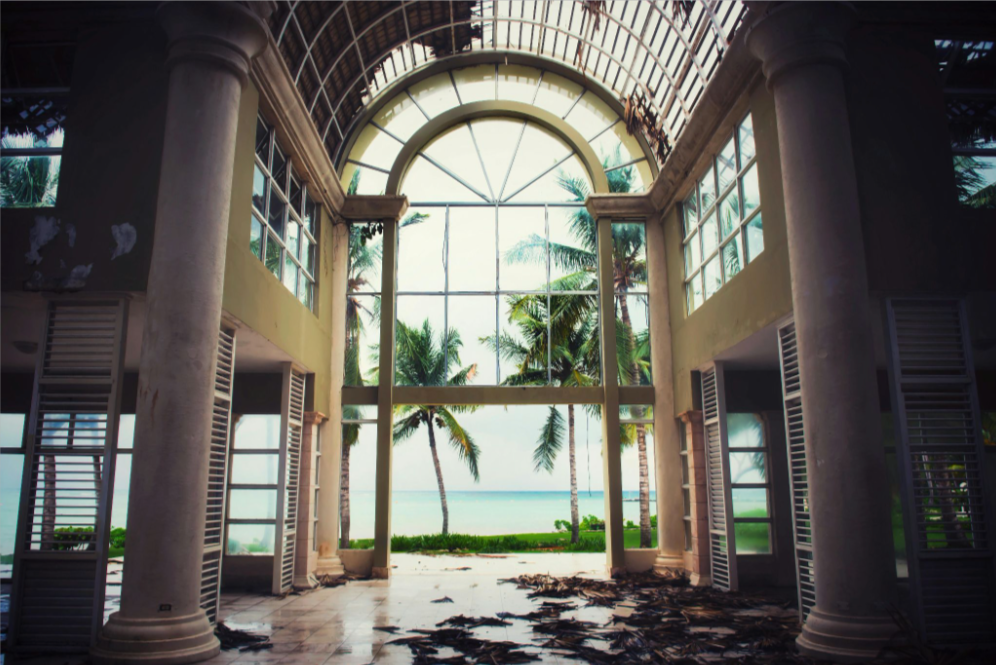
Natural disasters such as heavy rain, hurricanes, or flash floods can lead to severe water damage.
5. Poor drainage
Clogged gutters, inadequate landscaping, or improper grading around your property can cause water to pool and seep into your home's foundation.
Effects of Water Damage
The effects of water damage can be devastating, both in terms of structural damage and health hazards. Some common effects of water damage include:
1. Structural damage
Water can weaken the structural integrity of your property, leading to sagging ceilings, warped floors, and crumbling walls.
2. Mold growth
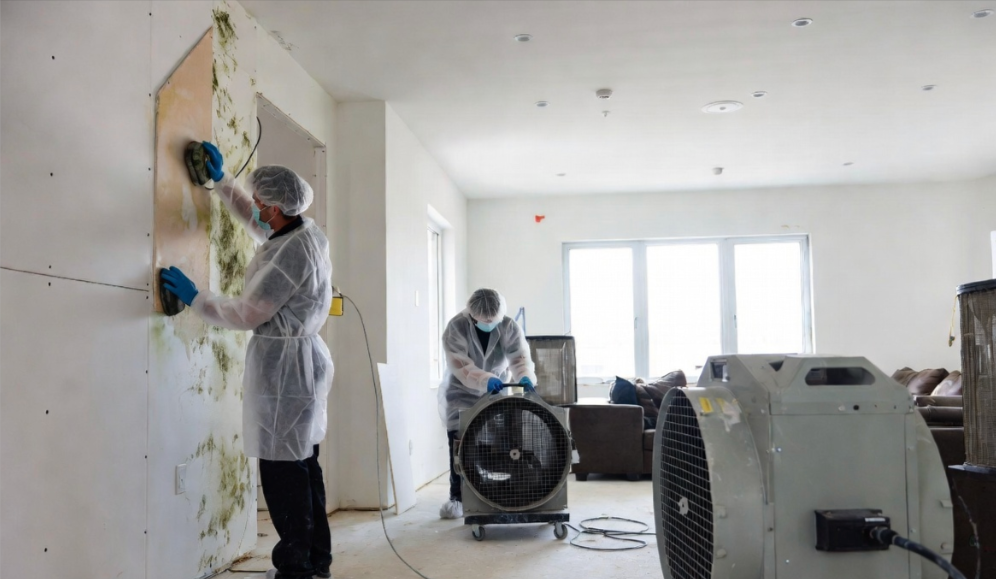
Excess moisture provides the perfect breeding ground for mold, which can lead to respiratory issues and other health problems.
3. Electrical hazards
Water damage can pose serious electrical hazards, increasing the risk of fires and shocks.
4. Stained walls and ceilings
Water stains can be unsightly, detracting from the aesthetic appeal of your home or business.
Prevention Tips
Preventing water damage is essential to protect your property and avoid costly repairs. Here are some prevention tips to help you safeguard your home or business:
1. Regular maintenance
Inspect your plumbing, appliances, and roof regularly for signs of leaks or damage.
2. Install a sump pump
A sump pump can help prevent basement flooding by pumping out excess water.
3. Clean gutters and downspouts
Ensure your gutters are free of debris to prevent water from backing up and overflowing.
4. Proper landscaping
Ensure your yard has proper drainage to prevent water from seeping into your home's foundation.
5. Act quickly
If you notice signs of water damage, such as musty odors, water stains, or mold growth, act promptly to address the issue before it escalates.
In conclusion, water damage is a serious issue that can have far-reaching consequences if not addressed promptly. By understanding the causes and effects of water damage and implementing preventive measures, you can protect your property and avoid the headaches of costly repairs. If you're in need of professional water damage restoration services in Utah, don't hesitate to reach out to Utah Flood Guys for fast, efficient, and reliable assistance.
You might also like
Utah Flood Guys Blog