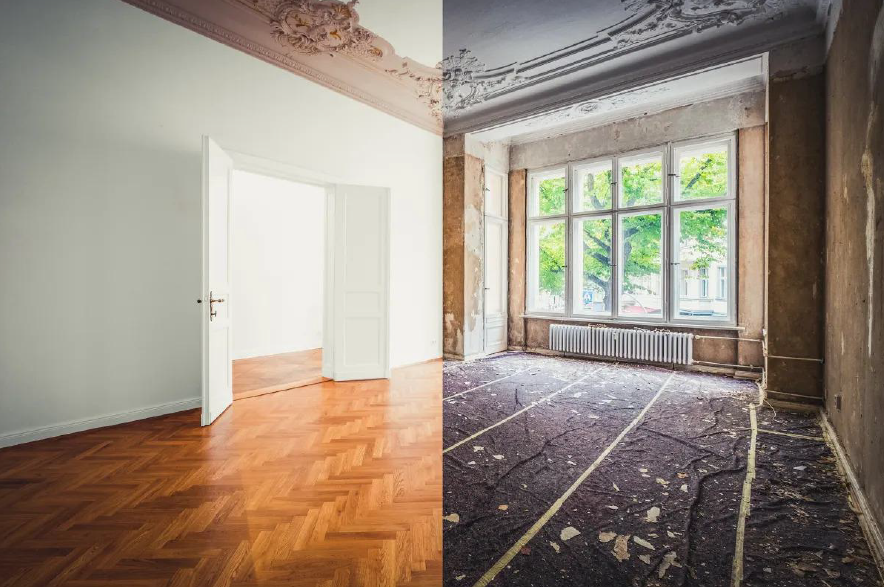
Restoring Historic Homes: Challenges and techniques for restoring older properties
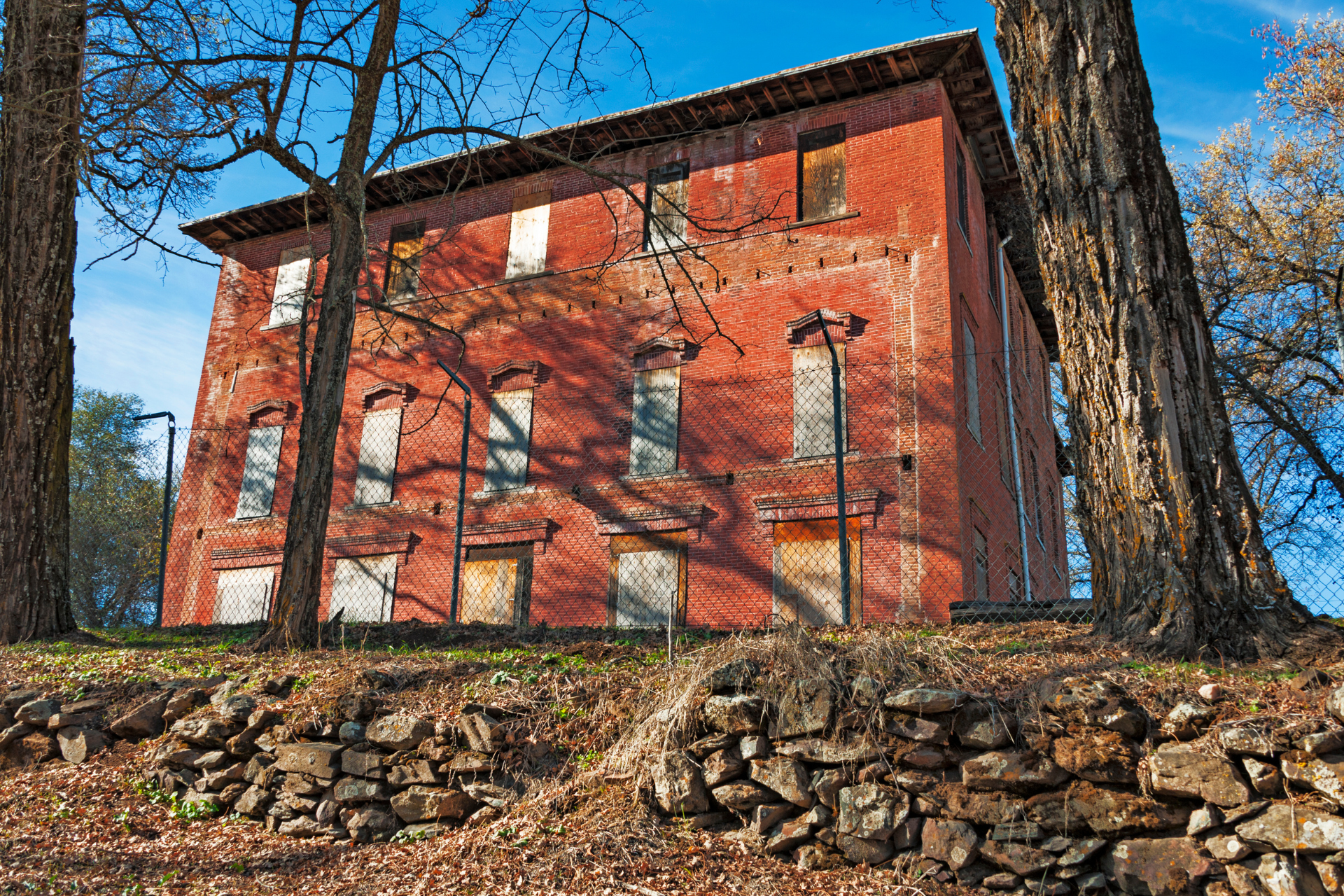
When it comes to historic homes, the allure of owning a piece of the past is undeniable. These grand old houses are a window into history, each one telling a story of the people who lived there and the events that shaped its walls. However, restoring an older property comes with its own set of challenges and considerations that must be carefully navigated to ensure the preservation of its unique character and charm.
Utah Flood Guys, a trusted restoration company in Utah, understands the importance of preserving historic homes while also addressing any potential damage that may have occurred over the years. With expertise in residential and commercial water damage, mold removal, and fire damage restoration, they are well-equipped to tackle the restoration of older properties with care and precision.
In this blog post, we will explore the challenges and techniques involved in restoring historic homes, and how Utah Flood Guys can help you navigate the restoration process seamlessly.
Challenges of Restoring Historic Homes
Restoring a historic home presents a unique set of challenges that differ from renovating a modern property. Here are some of the key challenges that homeowners may face when embarking on a restoration project:
1. Building Codes and Regulations
Historic homes are often subject to special building codes and regulations that must be adhered to during the restoration process. These regulations are in place to preserve the historic integrity of the property and may require additional permits or approvals.
2. Structural Issues
Older properties may have structural issues such as foundation problems, deteriorating woodwork, or sagging roofs. Addressing these issues requires careful assessment and expertise to ensure the structural integrity of the home is maintained.
3. Historical Accuracy
Preserving the historical accuracy of a home is of utmost importance when restoring a historic property. This includes maintaining original architectural details, using period-appropriate materials, and preserving historic features such as moldings, windows, and doors.
4. Water Damage
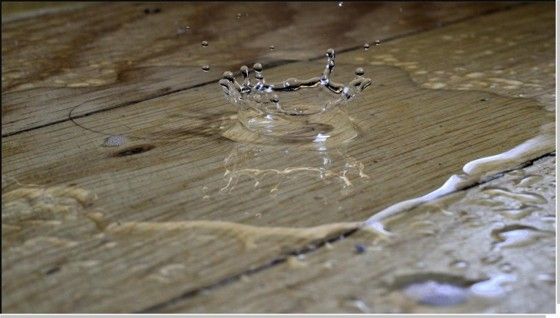
Historic homes are often more susceptible to water damage due to outdated plumbing systems or leaky roofs. Water damage can lead to mold growth, rot, and structural instability if not addressed promptly and effectively.
Techniques for Restoring Older Properties
Restoring a historic home requires a delicate balance of preserving its original charm while addressing any damage or deterioration that may have occurred over time. Here are some techniques that Utah Flood Guys employ when restoring older properties:
1. Preservation Assessment
Before beginning any restoration work, a thorough preservation assessment is conducted to identify the historical significance of the property and determine the best course of action to preserve its unique features.
2. Historic Material Matching
When repairing or replacing damaged materials, Utah Flood Guys strive to match historic materials as closely as possible to maintain the authenticity of the property. This may involve sourcing reclaimed wood, salvaged fixtures, or custom-milled materials.
3. Water Damage Restoration
In the case of water damage, Utah Flood Guys use state-of-the-art equipment and techniques to extract water, dry out affected areas, and prevent mold growth. They also conduct thorough inspections to identify hidden water damage and ensure proper remediation.
4. Mold Removal
If mold is present in a historic home, Utah Flood Guys follow industry best practices to safely and effectively remove mold while minimizing disruption to the property. This may include containment, air filtration, and thorough cleaning of affected surfaces.
By employing these techniques and expertise, Utah Flood Guys can help homeowners preserve the beauty and character of their historic homes while addressing any restoration needs that may arise.
In conclusion, restoring a historic home requires careful consideration, expertise, and a deep respect for the property's unique history and architecture. With the help of a trusted restoration company like Utah Flood Guys, homeowners can navigate the challenges of restoring older properties with ease and confidence. If you own a historic home in need of restoration, contact Utah Flood Guys today to learn more about their restoration services and how they can help you preserve the beauty of your historic property for generations to come.
You might also like
Utah Flood Guys Blog