How to Safely Remove Soot and Smoke Odor After a Fire
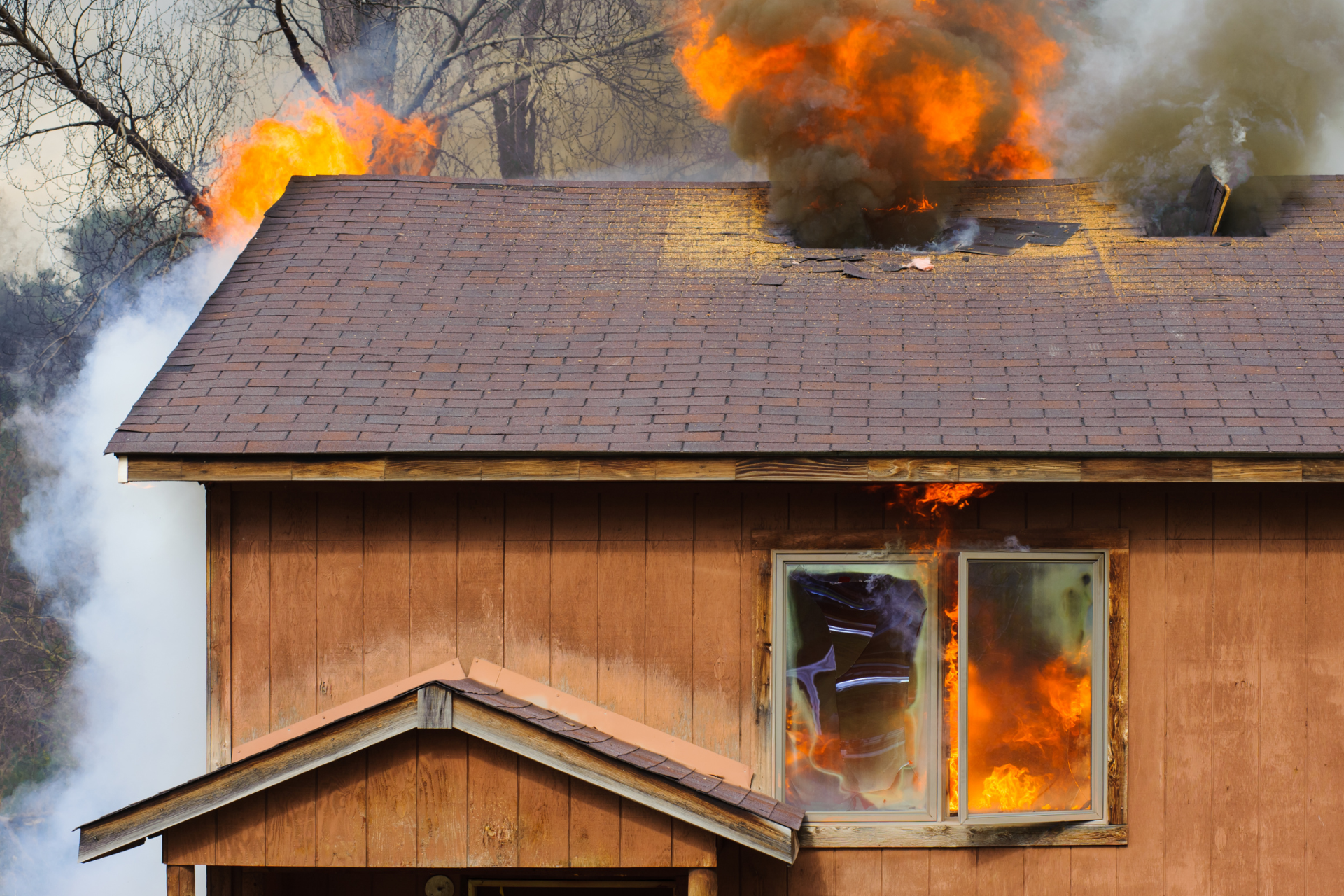
Disasters can strike at any moment, leaving behind a trail of destruction and chaos. In the wake of a fire, the aftermath can be overwhelming, with soot and smoke odor permeating every corner of your home or business. As a trusted restoration company in Utah, Utah Flood Guys are here to provide you with expert advice on how to safely and effectively remove soot and smoke odor after a fire.
1. Safety First
Before tackling any cleanup efforts, it is crucial to prioritize safety. Make sure the property is structurally sound and free from any hazards before entering. Wear proper personal protective equipment such as gloves, goggles, and a mask to protect yourself from potential health risks associated with exposure to soot and smoke odor.
2. Ventilation
Open all windows and doors to allow for proper ventilation. This will help to dissipate the lingering smoke odor and improve air quality within the space. Consider using fans to help circulate fresh air throughout the area.
3. Dry Cleaning
Begin by dry cleaning any surfaces that have been affected by soot. Use a vacuum cleaner with a HEPA filter to gently remove soot from walls, ceilings, and furniture. Avoid using traditional vacuums as they can spread the soot particles further.
4. Surface Cleaning
Once the dry cleaning process is complete, it is time to tackle surface cleaning. Use a mild detergent solution to clean walls, floors, and other surfaces that have been impacted by soot. Be sure to test any cleaning products on a small, inconspicuous area first to ensure compatibility with the material.
5. Upholstery and Fabrics
Soot can easily penetrate upholstery and fabrics, leaving behind a stubborn odor. Depending on the severity of the damage, you may need to seek professional help to properly clean and restore these items. Consider washing machine-safe fabrics with a mixture of detergent and vinegar to help neutralize the smoke odor.
6. Professional Restoration Services
In some cases, the damage caused by soot and smoke odor may be too severe to handle on your own. Utah Flood Guys offer professional fire damage restoration services to help you restore your property to its pre-fire condition. Our team of experts is trained in the latest restoration techniques and equipment to effectively remove soot and smoke odor from your home or business.
7. Prevention is Key
Once the cleanup process is complete, it is important to take proactive measures to prevent future fire incidents. Ensure your property is equipped with smoke detectors and fire extinguishers, and develop a fire escape plan for you and your family. Regularly inspect and maintain electrical appliances to reduce the risk of fire.
At Utah Flood Guys, we understand the devastation that a fire can cause, which is why we are committed to providing comprehensive fire damage restoration services to our clients in Utah. If you are in need of professional assistance in removing soot and smoke odor after a fire, do not hesitate to contact us. Our team is here to help you navigate the restoration process and restore your property to its former glory.
Remember, safety is paramount when dealing with fire damage cleanup. By following these tips and seeking professional help when needed, you can effectively remove soot and smoke odor after a fire and begin the process of rebuilding and recovery. Stay safe, stay prepared, and remember that Utah Flood Guys are here to support you every step of the way.
You might also like
Utah Flood Guys Blog