Emergency Tips for Dealing with Flooding in Your Home

When a flood strikes your home, it can be a stressful and overwhelming situation. Water damage can lead to expensive repairs and pose health risks if not handled properly. As a trusted restoration company serving the Utah area, the Utah Flood Guys are here to provide you with some emergency tips for dealing with flooding in your home.
1. Safety First
The safety of you and your family should always be the top priority when dealing with a flooded home. Before entering your property, make sure to turn off the electricity to avoid any electrical hazards. If the water level is high, do not attempt to wade through it as there may be hidden dangers or contamination. Always wear protective gear such as gloves and boots to reduce the risk of exposure to mold and bacteria.
2. Assess the Damage
Once it is safe to enter your home, assess the extent of the damage caused by the flooding. Take photos or videos of the affected areas for insurance purposes. If the water level is still rising or there is structural damage, contact a professional restoration company like Utah Flood Guys immediately.
3. Remove Water
The first step in the cleanup process is to remove as much water as possible. Use a wet/dry vacuum, buckets, or towels to soak up standing water. If the flooding is severe, consider renting or purchasing a sump pump to expedite the water extraction process. Be sure to dispose of the water properly to prevent further damage and contamination.
4. Dry Out the Area
Proper drying is essential in preventing mold growth and further damage to your property. Open windows and doors to increase ventilation and use fans and dehumidifiers to dry out the affected areas. Remove wet carpets, furniture, and belongings to a dry area to prevent mold and mildew from spreading.
5. Clean and Disinfect
Floodwater can contain harmful bacteria and contaminants, so it is important to thoroughly clean and disinfect your home after a flood. Use a mixture of bleach and water to sanitize hard surfaces such as floors, walls, and countertops. Wash and disinfect any clothing, linens, and other items that may have come into contact with floodwater.
6. Check for Mold
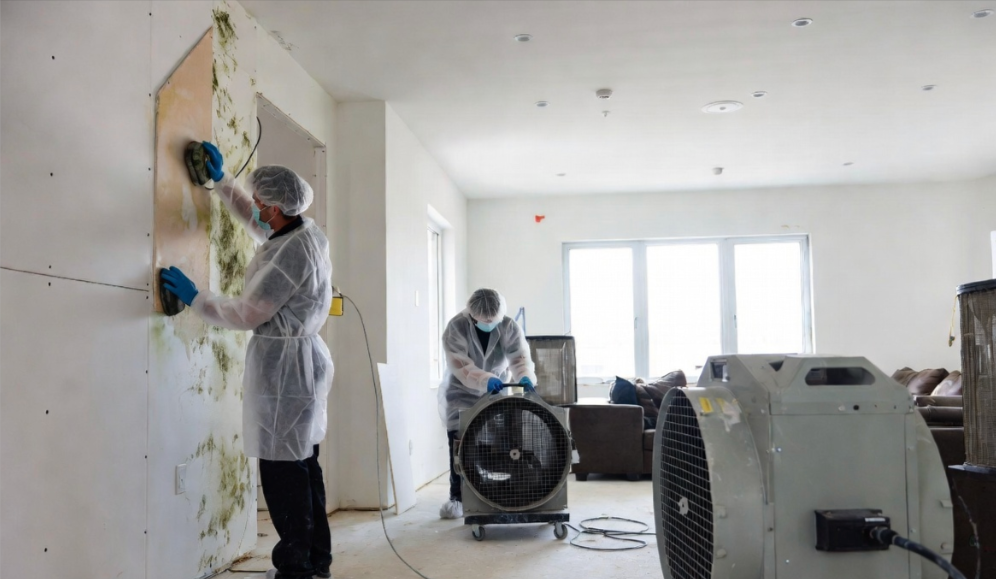
Mold can start growing within 24-48 hours of a flood, so it is crucial to check for any signs of mold growth in your home. Keep an eye out for musty odors, water stains, or visible mold on walls, ceilings, and floors. If you suspect mold growth, contact a professional mold removal company like Utah Flood Guys to safely and effectively remove the mold from your home.
7. Contact Your Insurance Company
Don't forget to contact your insurance company as soon as possible to file a claim for the flood damage. Provide them with documentation of the damage, including photos and receipts for any repair or replacement costs. Make sure to keep a record of all communication with your insurance company for reference.
Dealing with flooding in your home can be a daunting task, but with the right guidance and professional help, you can restore your property to its pre-flood condition. If you need assistance with water damage restoration, mold removal, or fire damage cleanup services in Utah, trust the experts at Utah Flood Guys to provide you with prompt and reliable restoration solutions. Stay safe and be prepared for any emergency situation that may come your way!
You might also like
Utah Flood Guys Blog