How to Restore Belongings After Fire Damage: Cleaning and Salvaging Tips
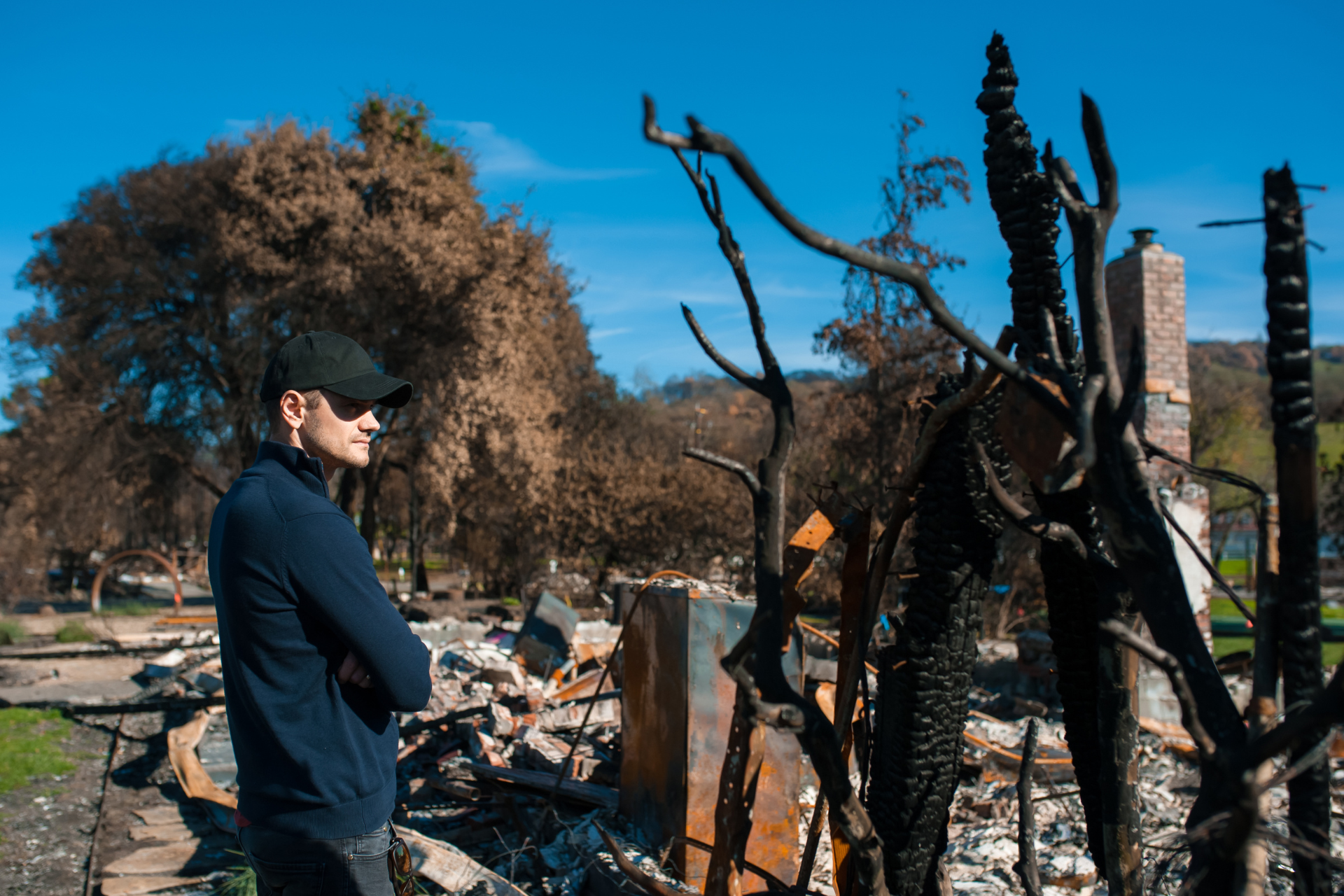
Fires can be a devastating experience, turning your life upside down in an instant. The aftermath can be overwhelming, especially when it comes to salvaging and restoring your belongings. But fear not, with the right knowledge and techniques, you can begin the process of restoring your possessions and getting your life back on track. In this blog post, we will share some valuable tips on how to clean and salvage your belongings after fire damage.
Utah Flood Guys is here to guide you through the restoration process after a fire, offering expert advice and services to help you recover from the disaster. Our experienced team understands the emotional toll that fire damage can take, and we are dedicated to providing support and assistance every step of the way.
Assessing the Damage:
The first step in restoring your belongings after a fire is to carefully assess the extent of the damage. Take inventory of all items affected by the fire and categorize them based on the level of damage. Items that are heavily damaged may need to be discarded, while those with less severe damage can potentially be salvaged through proper cleaning and restoration techniques.
Safety First:
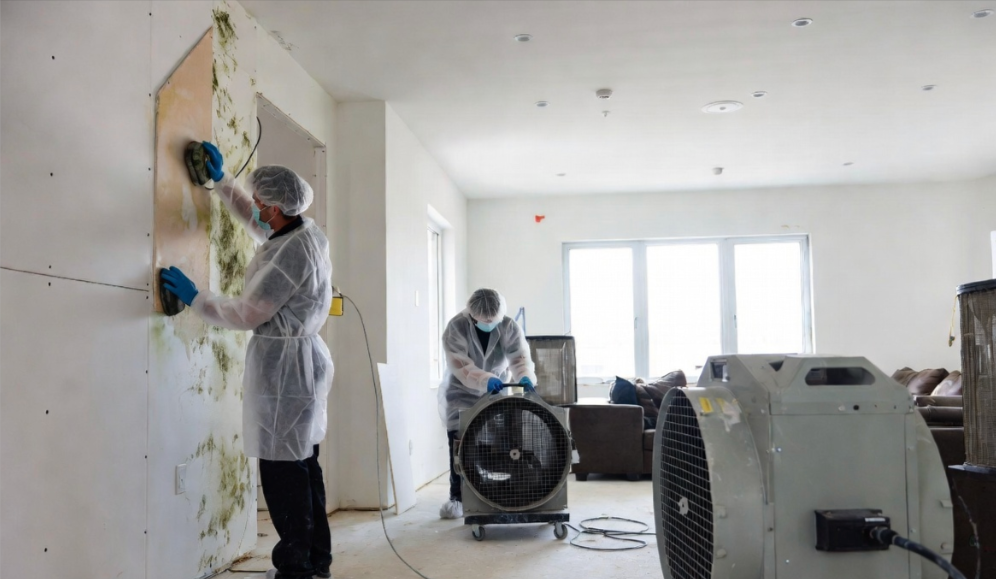
Before attempting to clean or salvage any belongings, it is crucial to ensure your safety. Wear appropriate protective gear such as gloves, masks, and goggles to protect yourself from soot, debris, and potential contaminants. Make sure the area is well-ventilated and safe to work in before you begin the restoration process.
Cleaning Techniques:
Different types of materials require specific cleaning techniques to effectively remove soot, smoke, and fire damage. Here are some cleaning tips for common household items:
1. Clothing
Wash clothes in warm water with detergent to remove smoke odor. For delicate fabrics, consider professional dry cleaning services.
2. Furniture
Wipe down furniture with a mild soap and water solution to remove soot and smoke residue. For upholstered furniture, use a vacuum cleaner to remove debris and odors.
3. Electronics
Do not attempt to power on electronics that have been exposed to fire damage. Consult a professional to assess and restore electronic devices safely.
4. Paper Documents
Carefully separate and air-dry any wet documents to prevent further damage. Consult a document restoration specialist for salvaging important papers.
5. Artwork and Photos
Handle these items with extreme care to prevent further damage. Consult a professional art restorer for restoration services.
Seek Professional Help:
While some items can be salvaged with DIY cleaning techniques, certain valuables or heirlooms may require professional restoration services. Utah Flood Guys offers expert fire damage restoration services, including content cleaning, pack-out services, and specialized cleaning techniques to restore your belongings to their pre-loss condition.
Remember, the key to successful restoration after fire damage is acting quickly and following proper cleaning and salvaging techniques. With the support of Utah Flood Guys, you can start the process of rebuilding and restoring your home and possessions after a fire. Don't hesitate to reach out to our team for guidance and assistance during this challenging time. Stay safe, stay informed, and trust the experts at Utah Flood Guys to help you navigate the restoration process with confidence.
You might also like
Utah Flood Guys Blog