Preventing Mold Growth: Tips for Keeping Your Home Mold-Free
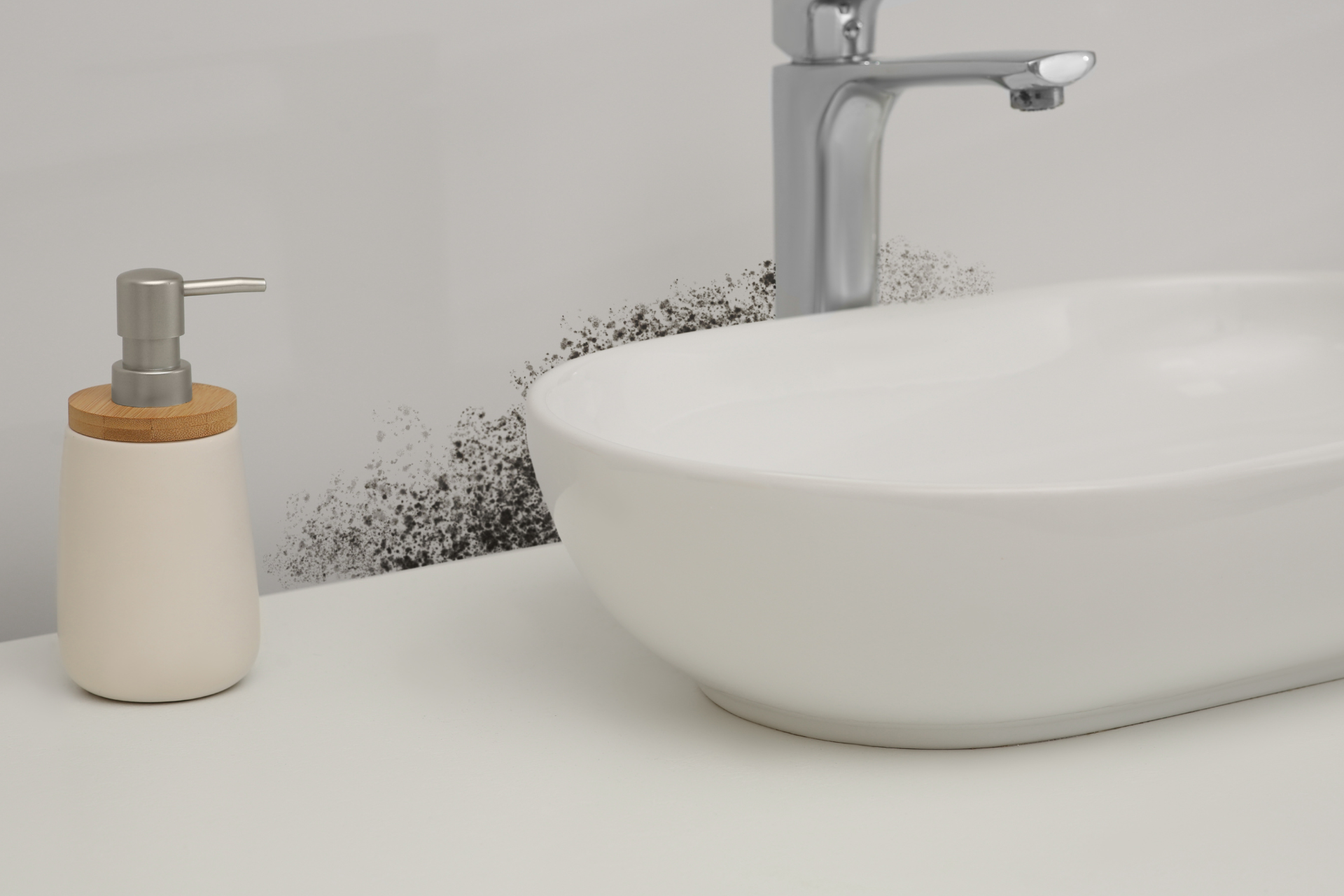
Are you concerned about mold growing in your home? Mold is not just unsightly, but it can also pose health risks and cause structural damage to your property. As a leading disaster cleanup company in Utah, the Utah Flood Guys are here to provide you with some simple tips to keep your home mold-free. By following these preventative measures, you can protect your family and property from the dangers of mold growth.
1. Maintain Proper Ventilation
One of the most effective ways to prevent mold growth in your home is to ensure proper ventilation. Moisture buildup in areas such as bathrooms, kitchens, and basements can create the perfect environment for mold to thrive. Make sure to use exhaust fans when cooking or showering, and consider installing a dehumidifier in areas prone to high humidity levels.
2. Fix Leaks and Dampness Promptly
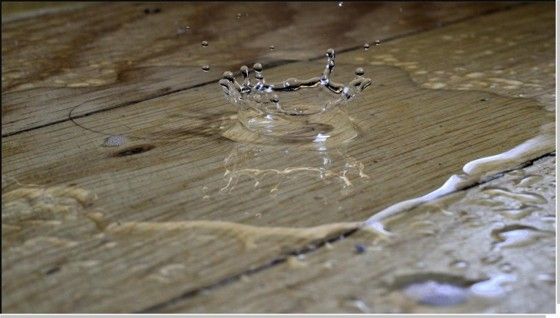
Water leaks and dampness are common culprits for mold growth. Be vigilant about checking for and repairing leaks in pipes, roofs, and windows. If you notice any signs of water damage, such as discolored walls or ceilings, take immediate action to dry and repair the affected areas to prevent mold from taking hold.
3. Keep Your Home Clean and Clutter-Free
Clutter can trap moisture and dust, providing a breeding ground for mold spores. Regularly clean and declutter your home to prevent mold from spreading. Pay special attention to areas that are prone to dampness, such as bathrooms, kitchens, and laundry rooms. Vacuum and dust regularly to remove mold spores and keep your home free of potential mold sources.
4. Monitor Indoor Humidity Levels
Maintaining proper indoor humidity levels is crucial in preventing mold growth. The ideal humidity level in your home should be between 30-50%. Invest in a hygrometer to monitor humidity levels and take action if levels are consistently high. Using air conditioners and dehumidifiers can help regulate humidity and control mold growth.
5. Inspect and Maintain Your HVAC System
Your HVAC system plays a crucial role in maintaining indoor air quality and preventing mold growth. Make sure to inspect and clean your HVAC system regularly to prevent mold spores from circulating throughout your home. Change filters as needed and schedule professional maintenance to keep your system running efficiently.
6. Use Mold-Resistant Materials
When renovating or building your home, consider using mold-resistant materials to prevent mold growth. Mold-resistant drywall, paint, and insulation can help inhibit mold growth and create a healthier indoor environment. Consult with a professional contractor to determine the best mold-resistant options for your specific needs.
7. Address Flood Damage Immediately
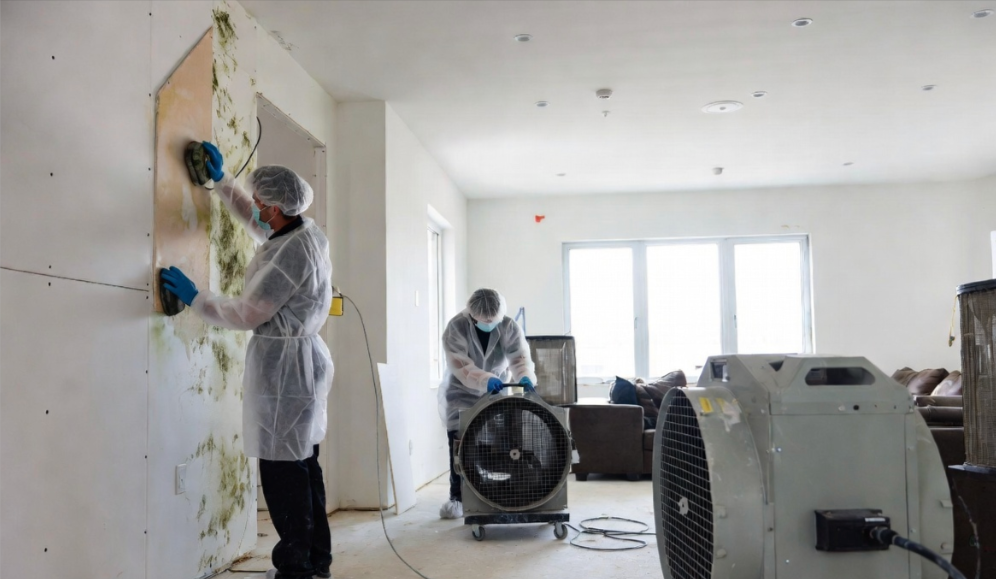
In the event of a flood or water damage in your home, it is crucial to address the situation promptly to prevent mold growth. Contact a professional disaster cleanup company like Utah Flood Guys to assess the damage, remove excess water, and thoroughly dry the affected areas. Quick action can prevent mold from spreading and minimize the risk of long-term damage to your property.
By following these simple tips, you can protect your home from mold growth and ensure a healthy living environment for you and your family. Remember, prevention is key when it comes to mold, so be proactive in maintaining your home to avoid the risks associated with mold exposure. If you need assistance with mold removal or water damage restoration, don't hesitate to contact the Utah Flood Guys for expert assistance. Stay mold-free and keep your home safe and healthy!
You might also like
Utah Flood Guys Blog