How to Minimize Smoke and Soot Damage After a Fire in Your Utah Home
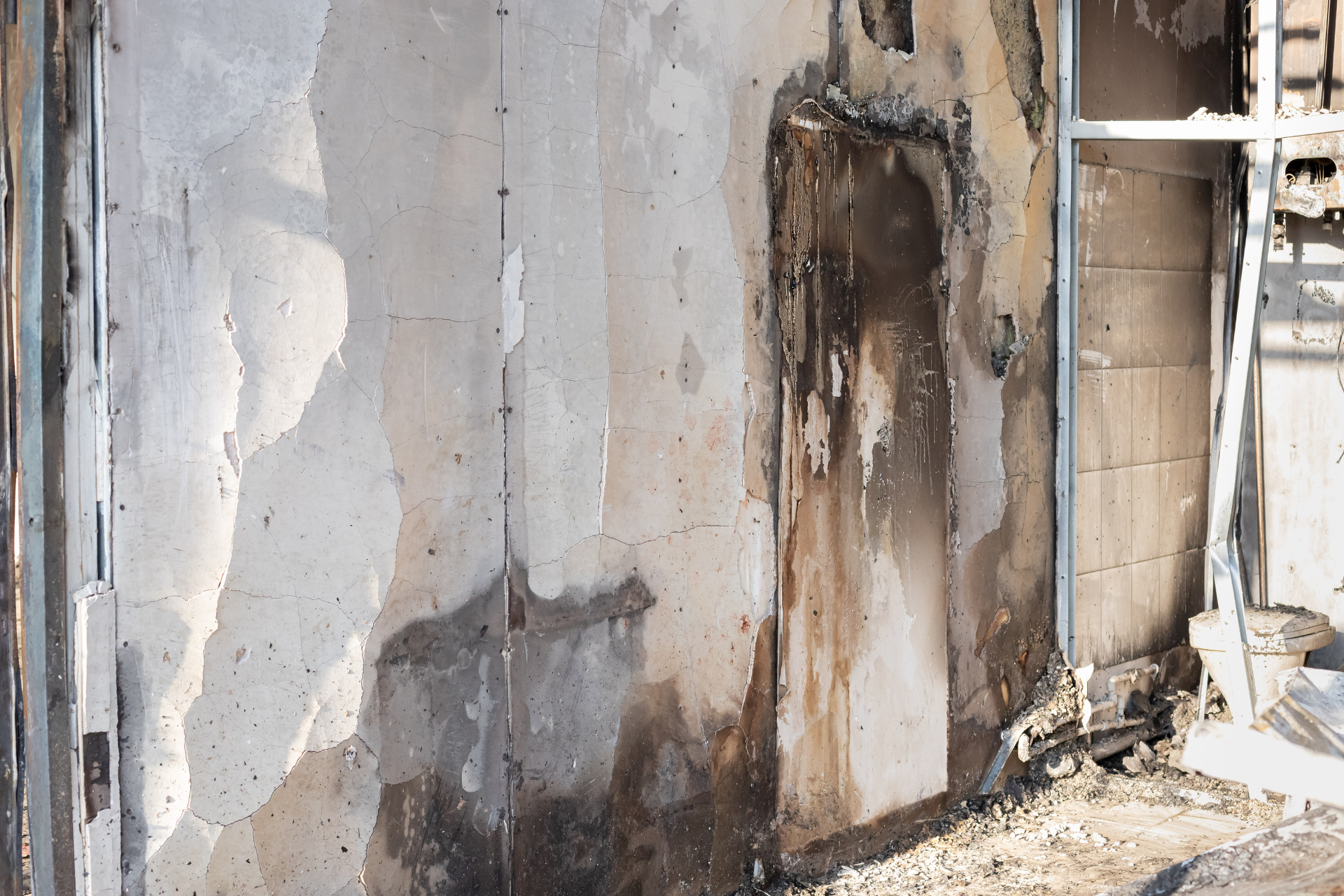
Have you recently experienced a fire in your Utah home? Dealing with the aftermath can be overwhelming, especially when it comes to smoke and soot damage. Smoke and soot can permeate every corner of your home, leaving behind a strong odor and unsightly residue. As the trusted experts at Utah Flood Guys, we understand the stress that comes with fire damage cleanup. That's why we're here to provide you with some helpful tips on how to minimize smoke and soot damage after a fire in your Utah home.
1. Safety First
Before attempting any cleanup efforts, ensure that it is safe to enter your home. Check for structural damage and make sure there are no hazards present. If you have any doubts about the safety of your home, contact a professional restoration company like Utah Flood Guys to assess the situation.
2. Ventilation
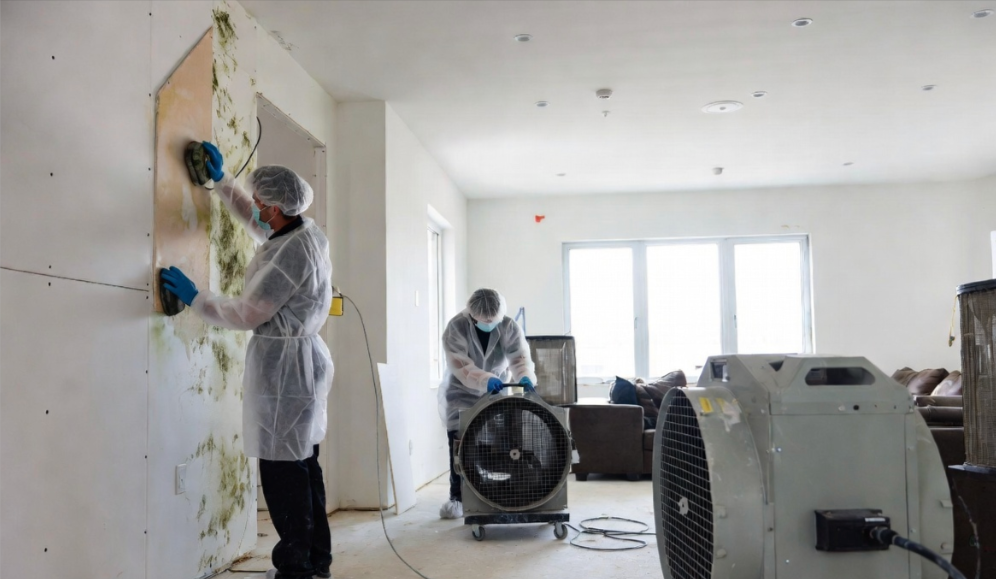
Proper ventilation is key to reducing smoke odor in your home. Open all windows and doors to allow fresh air to circulate. You can also use fans to help dissipate the smoke smell. Avoid using your HVAC system until it has been inspected and cleaned by professionals to prevent spreading soot throughout your home.
3. Cleaning Soot Damage
Soot is a fine, black residue that covers surfaces after a fire. To clean soot effectively, use a vacuum cleaner with a HEPA filter to remove loose soot particles. Avoid using regular household vacuums, as they may spread soot further. Wipe down surfaces with a dry chemical sponge to pick up remaining soot residue.
4. Deodorizing
To get rid of the unpleasant smoke odor, you can use household items such as baking soda or white vinegar. Place bowls of baking soda around your home to absorb odors, or mix white vinegar with water and spray it on surfaces to neutralize the smell. For persistent odors, consider using an ozone generator to eliminate odors at the molecular level.
5. Clothing and Upholstery
Smoke can penetrate fabrics, making it challenging to remove the odor. Wash clothing, linens, and upholstery items with vinegar or a specialized smoke odor remover. For delicate items, consider professional dry cleaning services. Air out clothing and fabric items outdoors to help remove lingering odors.
6. Professional Restoration Services
While these tips can help minimize smoke and soot damage after a fire, it's essential to seek professional restoration services for comprehensive cleanup. Utah Flood Guys specializes in fire damage restoration and can efficiently clean and restore your home to its pre-fire condition.
7. Preventing Future Damage
To prevent future smoke and soot damage, consider installing smoke detectors and fire alarms throughout your home. Regularly inspect and maintain your heating systems, vents, and chimneys to reduce the risk of a fire. In the event of a fire, have an evacuation plan in place to ensure the safety of your family and property.
In conclusion, dealing with smoke and soot damage after a fire can be a challenging process, but with the right approach, you can minimize the impact on your Utah home. Remember to prioritize safety, proper ventilation, and thorough cleaning to restore your home to its former glory. If you need expert assistance with fire damage restoration, Utah Flood Guys is here to help. Stay safe and take the necessary steps to recover from fire damage effectively.
You might also like
Utah Flood Guys Blog