Flood Insurance vs. Homeowner's Insurance: What Utah Homeowners Need to Know
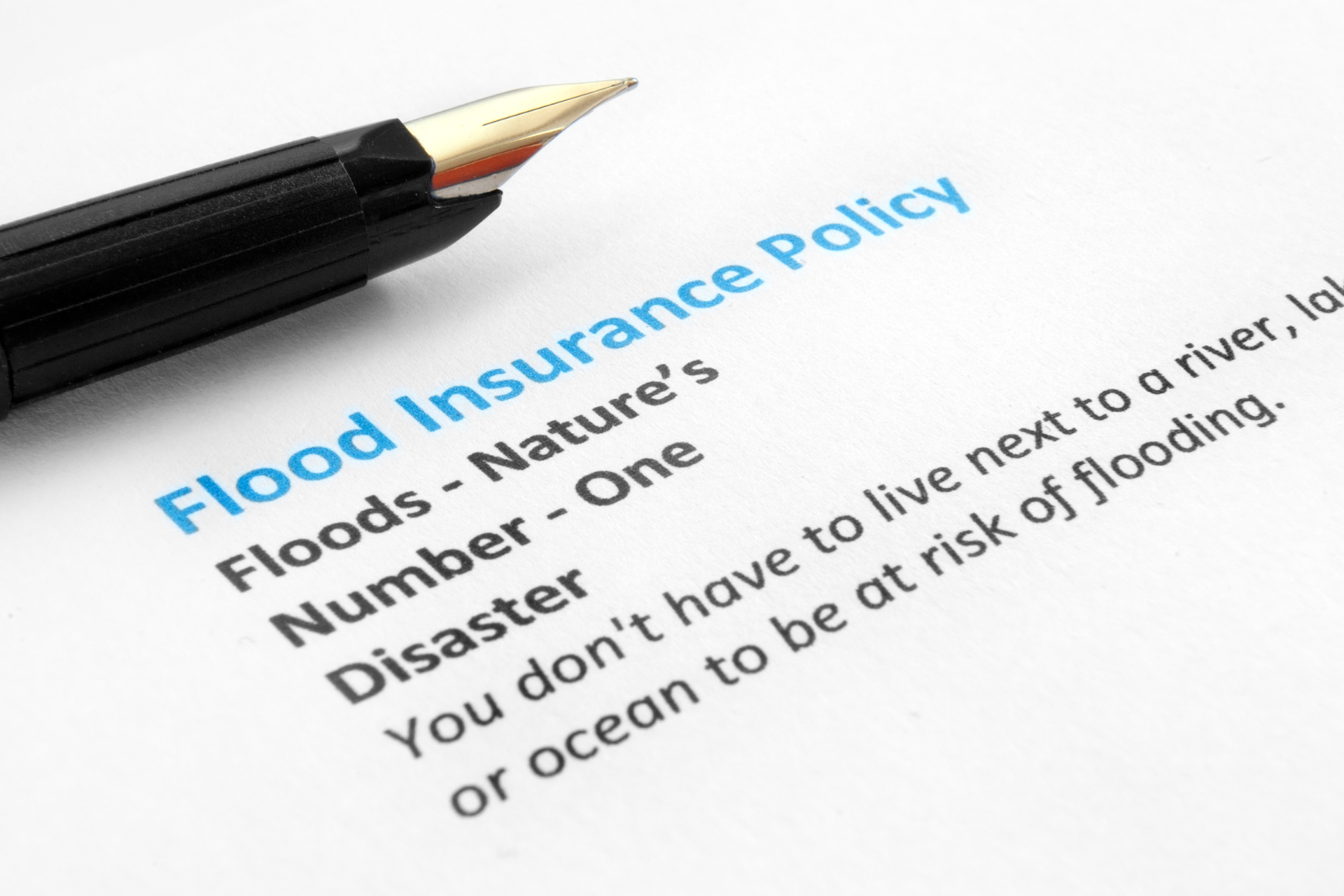
As a homeowner in Utah, you may already have insurance coverage for your property, but are you adequately protected against potential disasters like flooding? Understanding the key differences between flood insurance and homeowner's insurance can make all the difference in safeguarding your home and belongings. In this blog post, we'll break down what Utah homeowners need to know about flood insurance and homeowner's insurance to ensure you have the right coverage in place for any unexpected events.
Meet the Utah Flood Guys: Your Go-To for Disaster Cleanup
Before we delve into the world of insurance, let's introduce you to your local experts in disaster cleanup in Utah - the Utah Flood Guys. Specializing in water damage restoration, mold removal, and fire damage cleanup for both residential and commercial properties, the Utah Flood Guys are the go-to team when disaster strikes. With their expertise and top-notch service, you can rest assured that your property is in good hands.
Understanding Homeowner's Insurance: Your First Line of Defense
When you purchase a home in Utah, homeowner's insurance is typically a requirement by your mortgage lender. While homeowner's insurance provides coverage for various perils such as fire, theft, or vandalism, it's important to note that it typically does not cover damage caused by flooding. If a pipe bursts in your home or a tree falls on your roof during a storm, homeowner's insurance would likely cover these scenarios.
However, when it comes to flood damage, homeowner's insurance falls short. Flooding is one of the most common natural disasters in the United States, and in a state like Utah prone to flash floods, having separate flood insurance is crucial for comprehensive protection.
Decoding Flood Insurance: The Essential Protection for Utah Homeowners
Flood insurance is a separate policy that specifically covers damage caused by flooding. Whether it's due to heavy rain, snowmelt, or rapid accumulation of water on the ground, flood insurance steps in to help repair and restore your home after such an event. Keep in mind that flood insurance is typically not included in standard homeowner's insurance policies and must be purchased separately through the National Flood Insurance Program (NFIP).
In Utah, where flash floods and winter storms can wreak havoc on properties, having flood insurance can be a lifesaver. The cost of flood insurance can vary depending on factors such as your property's location, flood risk zone, and the coverage limits you choose. While it may seem like an additional expense, the peace of mind and financial protection it provides in the event of a flood can outweigh the cost.
Finding the Right Balance: Combining Homeowner's and Flood Insurance
As a homeowner in Utah, it's essential to strike the right balance between homeowner's insurance and flood insurance to ensure comprehensive coverage for your property. While homeowner's insurance protects against a range of perils, including fire and theft, flood insurance fills the gap when it comes to flood-related damage.
By working with your insurance agent or the experts at Utah Flood Guys, you can assess your property's flood risk, explore your options for flood insurance, and tailor your coverage to meet your specific needs. Remember, preparation is key when it comes to protecting your home and belongings from unforeseen disasters.
In Conclusion
As a homeowner in Utah, taking proactive steps to safeguard your property against potential disasters like flooding is crucial. Understanding the differences between flood insurance and homeowner's insurance, and finding the right balance between the two, can provide you with the peace of mind knowing that your home is well-protected.
Whether you're looking to enhance your existing insurance coverage or in need of reliable disaster cleanup services, the Utah Flood Guys are here to assist you every step of the way. Don't wait until disaster strikes—be prepared and stay ahead of the game with the right insurance coverage for your Utah home.
You might also like
Utah Flood Guys Blog