How Mold Can Spread After Water Damage—and How to Stop It
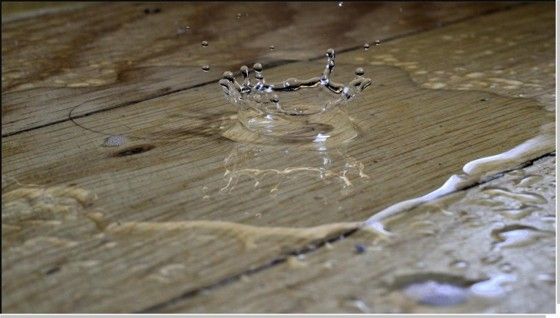
Water damage can be a homeowner’s worst nightmare. Whether it’s due to a leaky roof, a burst pipe, or flooding, the aftermath can lead to various problems, with mold being one of the most daunting. At Utah Flood Guys, we understand the stakes involved in dealing with water damage and mold removal. So, let’s dive into how mold can spread after water damage and what you can do to prevent it.
Understanding Mold Growth
First, it’s essential to know that mold spores are everywhere. They’re in the air, on surfaces, and even in our homes! Typically, these spores remain harmless. However, when they encounter moisture, they can latch onto surfaces and start to multiply—often leading to a significant infestation. Mold thrives in damp, warm environments, making places affected by water damage perfect breeding grounds.
After an incident, one of the critical mistakes homeowners make is assuming that mold will not become an issue if the water is cleaned up quickly. Unfortunately, it only takes as little as 24 to 48 hours for mold spores to start forming after water exposure. Therefore, the clock starts ticking the moment water has intruded into your space.
How Mold Spreads
Once mold starts to grow, it can spread rapidly. The spores can travel through the air, infiltrating different rooms in your home or business. They can also latch onto clothing, furniture, or any porous materials, spreading the problem further. Common areas for mold growth include attics, basements, and anywhere else that retains moisture.
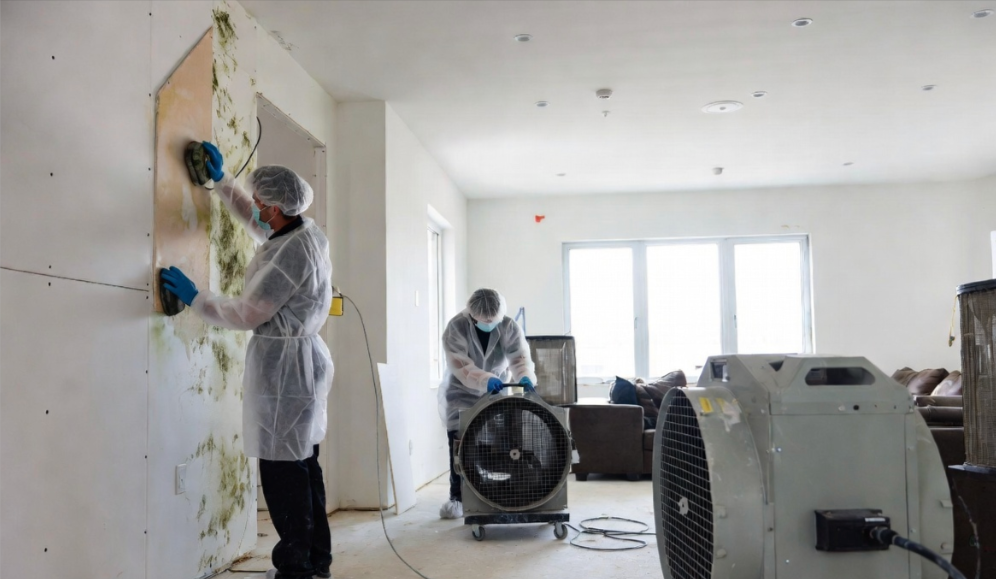
Additionally, if the water damage is extensive and not addressed properly, mold can make its way into the walls and insulation. Unfortunately, this often leads to costly repairs, as simply cleaning surfaces won’t eradicate the issue hidden behind walls.
How to Prevent Mold Growth
Fortunately, there are steps you can take to minimize the risk of mold growth after water damage. Here’s how:
1. Act Fast
Time is of the essence. If you experience water damage, contact a professional restoration service—like Utah Flood Guys—immediately. Quick action can prevent mold from establishing itself.
2. Thorough Drying
Ensure that every inch of the affected area is dried completely. Use fans, dehumidifiers, and open windows to promote airflow and speed up the drying process.
3. Remove Affected Materials
If you have saturated carpets, drywall, or insulation, consider removing these materials. Mold can grow extensively in porous materials, and sometimes the only way to fully eliminate it is to discard them.
4. Inspect and Clean
Even after drying, monitor the area for any signs of mold growth. Use a mixture of water and vinegar to scrub surfaces, and always ensure to wear protective gear, such as masks and gloves.
5. Temperature Control
Keep your home’s humidity levels low and maintain a temperature that discourages mold growth. Ideally, keep indoor humidity below 60%.
6. Consider Professional Help
Mold remediation is often best left to the experts. At Utah Flood Guys, we provide comprehensive mold removal services, ensuring that your home or business is not only clean but also safe.
Final Thoughts
Water damage and mold may seem like an overwhelming challenge, but with prompt action and the right support, you can protect your home from these issues. Don’t wait until it’s too late—reach out to Utah Flood Guys for all your water damage and mold removal needs. Stay safe, stay dry, and keep your home mold-free!
You might also like
Utah Flood Guys Blog