How Water Damage Can Lead to Structural Issues: Prevention Tips
Water is essential for life, but when it intrudes into places it doesn’t belong, it can wreak havoc on your home or business. At Utah Flood Guys, we understand the aftermath of water damage all too well. Beyond the immediate concerns like damp carpets and soaked drywall, one of the most significant issues to worry about is the potential for structural damage. Let’s explore how water damage can affect your property's integrity and, more importantly, how you can prevent it.
Understanding the Impact of Water Damage
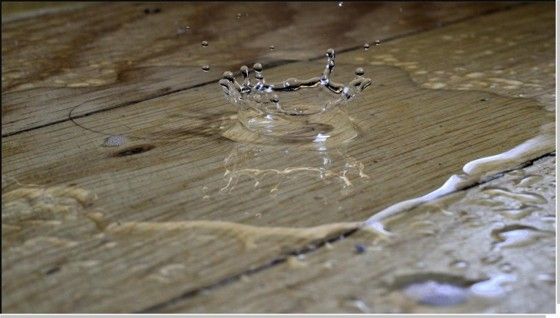
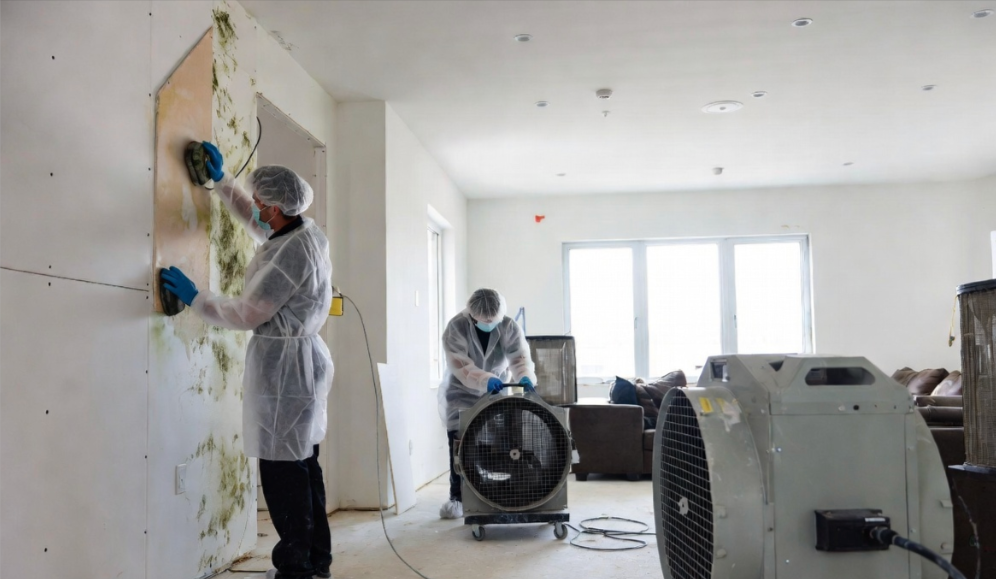
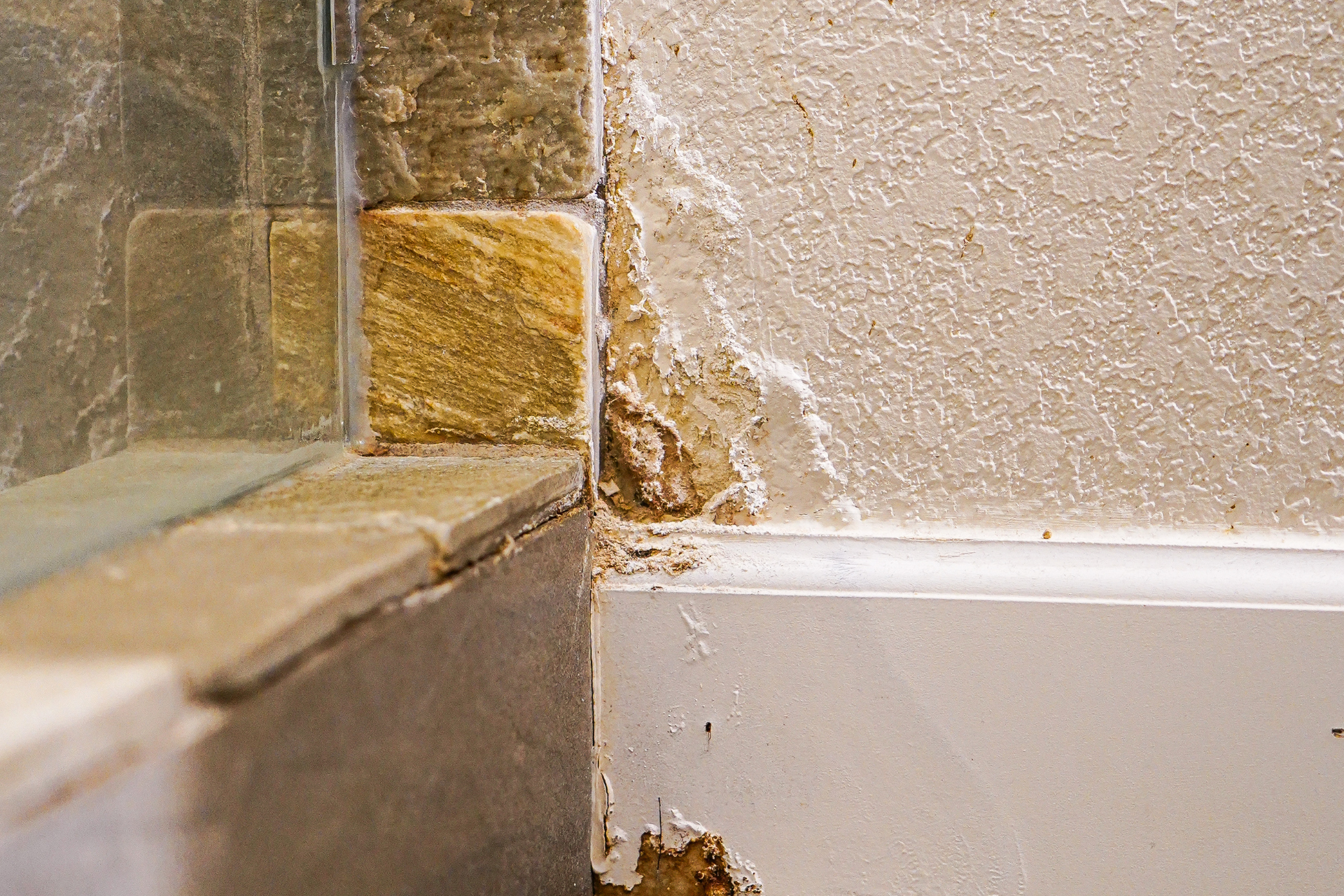
Water damage doesn’t just disappear on its own. It creates an ideal environment for mold growth, rotting wood, and weakening foundations. Over time, excessive moisture can lead to severe structural issues, including compromised beams, warped floors, and crumbling foundations. These problems not only affect the safety of your property but can also lead to expensive repairs that could have been avoided with proper prevention.
Common Sources of Water Damage
Before we dive into prevention tips, it’s vital to understand where water damage often originates. Leaky roofs, burst pipes, faulty appliances, and severe weather are common culprits. Even seemingly benign sources, like a slow-draining sink or a minor basement leak, can accumulate over time and create significant issues. Regular inspections can help catch these problems before they escalate.
Prevention Tips to Protect Your Property
1. Regular Inspections
Schedule routine inspections of your home or business. This includes checking the roof, plumbing, and appliances for any signs of wear or leaks. If you notice any issues, address them immediately. Early detection can save you a fortune in repairs.
2. Maintain Gutters and Downspouts
Make it a habit to clean your gutters regularly. Clogged gutters can lead to overflow, causing water to pool around your foundation. Ensure your downspouts direct water at least six feet away from your building to prevent basement flooding.
3. Install Sump Pumps
If you live in an area prone to flooding, consider investing in a sump pump. This device can effectively remove water that collects in your basement, keeping your property dry and reducing the risk of structural issues.
4. Seal Cracks and Openings
Inspect your foundation and walls for any cracks or openings. Sealing these can prevent water from seeping inside. Look for gaps around doors and windows, applying caulk where necessary.
5. Upgrade Insulation and Ventilation
Proper insulation can help control humidity levels inside your property. Additionally, ensuring adequate ventilation in areas like attics and basements can prevent moisture buildup, protecting against mold and structural damage.
6. Educate Yourself on Water Damage
Understanding what to look for can empower you to take action. Familiarize yourself with the signs of water damage—such as water stains, mold growth, or a musty odor—so you can spot problems early.
Conclusion
At Utah Flood Guys, we believe that prevention is always better than cure. By following these tips, you can minimize the risk of water damage and the potential structural issues it can cause. Remember, an ounce of prevention is worth a pound of cure! If you do experience water damage, don’t hesitate to reach out to us for expert restoration services. Your property’s safety is our top priority, and we’re here to help you every step of the way. Stay safe, and keep your space dry!
You might also like
Utah Flood Guys Blog