Fire Prevention Tips for Utah's Dry Summer Months
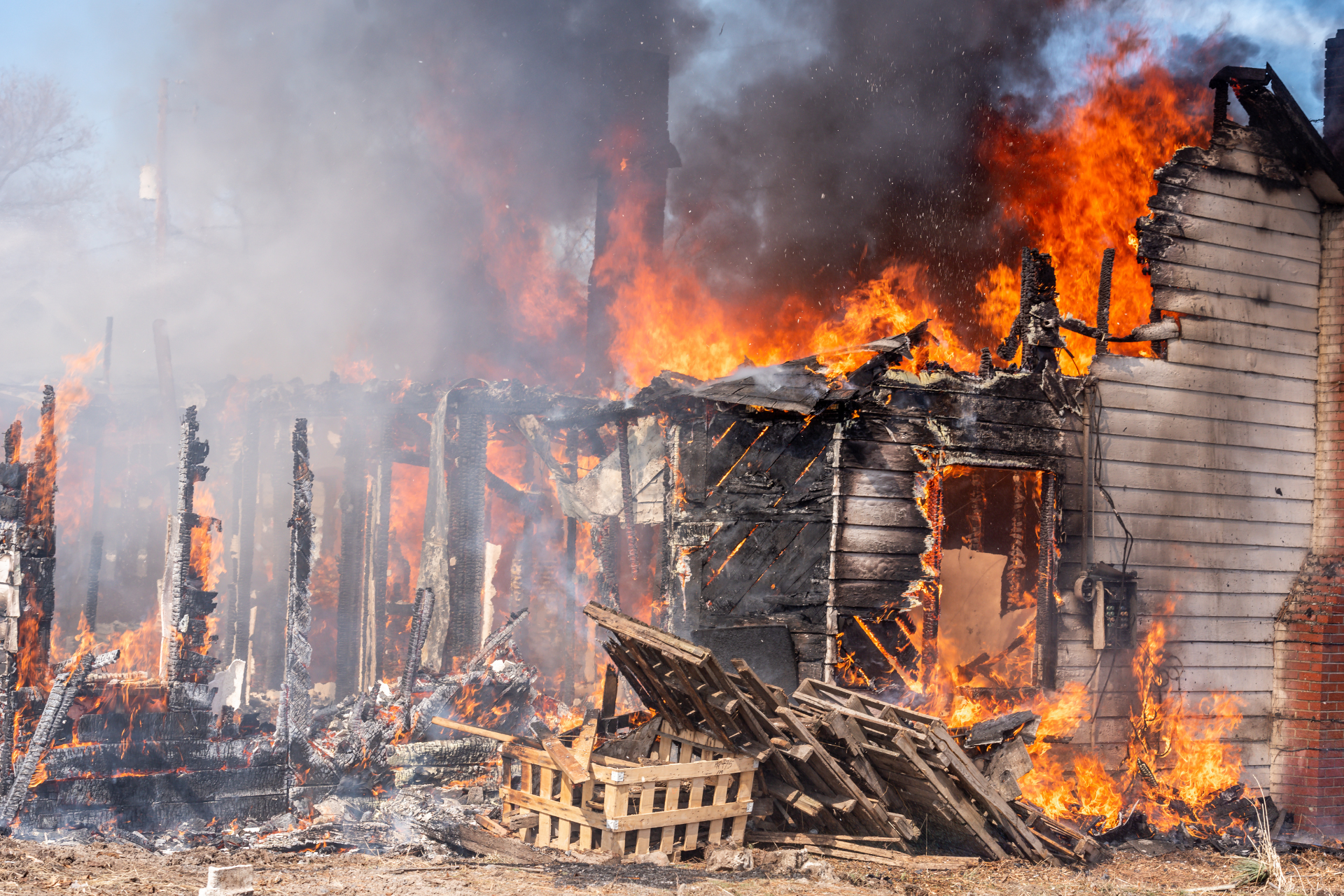
As summer settles in over our beautiful state of Utah, the allure of outdoor adventures beckons. However, with the beauty of our surroundings comes the responsibility of ensuring we keep our homes and communities safe from the devastating risks of wildfires. At Utah Flood Guys, we know that fire prevention is as critical as dealing with water damage or mold removal. So this summer, let’s talk about some simple yet effective ways to reduce the risk of fires and protect both your property and the picturesque landscape we cherish.
1. Create Defensible Space
One of the most effective fire prevention strategies is creating defensible space around your home. Aim to keep a 30-foot buffer zone where vegetation is well-maintained and kept clear of dead plants or debris. Trim back trees and bushes that are too close to your home and consider using fire-resistant landscaping options. This will not only enhance your property’s curb appeal but also significantly reduce fire intensity should a blaze come through your neighborhood.
2. Properly Dispose of Lawn Clippings and Yard Waste
During the summer, lawn maintenance can lead to piles of clippings and other debris, which are fire hazards. Be sure to dispose of any lawn waste properly. Instead of stacking it near your home, consider composting or taking it to a local yard waste recycling program. Empty garages and outdoor storage areas should remain clutter-free as well; anything that can catch fire should be stored safely away from your home.
3. Maintain Your Home's Exterior
Keep your gutters clean! Utah’s dry months can lead to an accumulation of leaves and debris, which can easily catch fire. Regularly clean your gutters and check for any areas where embers could find their way into your home, such as vents and roof spaces. If you have wood siding, consider treating it with a fire-retardant coating to further protect your home.
4. Be Smart with Outdoor Grilling
Barbecues and fire pits are summer staples for many families. However, it’s essential to ensure they are used safely to prevent accidental fires. Always keep an eye on your grill while it’s in use, and ensure it’s placed far from structures and flammable materials. Use long-handled tools and never leave a fire unattended. Once you’re done, allow the coals to cool completely before disposing of them in a metal container.
5. Stay Prepared and Informed
Being prepared means being informed. Keep abreast of any fire advisories or warnings in your area. Consider creating an emergency plan with your family in case a fire threatens your neighborhood. Having an emergency kit ready and knowing multiple evacuation routes can make a significant difference in ensuring safety.
6. Know Your Fire Department's Recommendations
Each community may have specific fire prevention guidelines. Take the time to reach out to your local fire department and get familiar with any recommendations they might have. They often provide valuable resources and can even conduct safety inspections.
By implementing these fire prevention tips, you can enjoy all that summer in Utah has to offer while helping to protect your home and the environment. At Utah Flood Guys, we’re committed to being your partner in safety—whether it’s through mitigating the effects of water damage, conducting mold removal, or assisting with fire damage restoration. Let’s work together to keep our beautiful state safe this summer!
You might also like
Utah Flood Guys Blog