
Essential Steps to Take When Your Home Floods Due to Heavy Rain
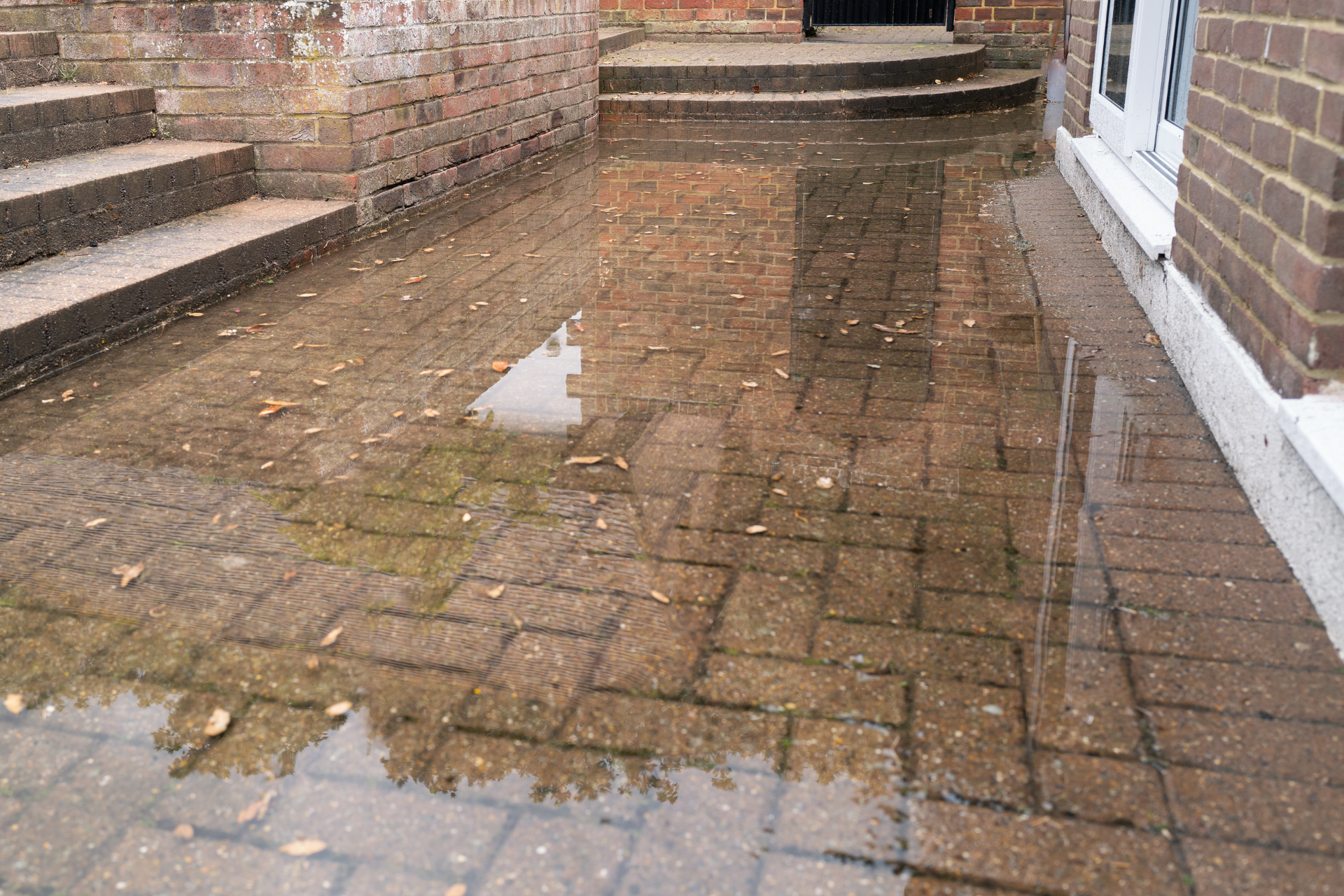
Heavy rain can wreak havoc on your home, turning a cozy haven into a soggy mess. If you’ve ever found yourself staring at water pooling in your living room or basement, you know just how overwhelming it can be. Fortunately, Utah Flood Guys are here to help, but it’s essential to act quickly and follow these steps to minimize damage and ensure your safety.
1. Stay Calm and Assess the Situation
First things first: take a deep breath. We understand that seeing your home flooded is incredibly stressful. However, staying calm will help you think more clearly. Assess the extent of the flooding. Is it localized to one room, or is there water throughout your home? Understanding the situation will guide your next steps.
2. Prioritize Safety
Your safety is the top priority. Before doing anything else, turn off the electricity in your home – especially if the water has reached electrical outlets or appliances. If the water is deep or swift, it's best to avoid entering the flooded area. If you suspect the water is contaminated, steer clear and wait for professional help.
3. Document the Damage
As soon as it’s safe, grab your phone or camera and start documenting the damage for your insurance claim. Take pictures of your possessions, the water levels, and any structural damages. This documentation will assist you in getting a fair assessment from your insurance company.
4. Remove Water and Items
Once you've ensured your safety, begin the process of removing as much water as possible. If the flooding is minor, you might manage this with buckets or towels. For more significant flooding, a wet/dry vacuum can be a helpful tool. Also, remove any furniture, rugs, and personal items that can be salvaged. The quicker you dry out your belongings, the better your chances of preventing mold growth.
5. Dry Out Your Home
Ventilation is crucial in this step. Open windows and doors to allow fresh air to circulate, and use fans to expedite the drying process. Dehumidifiers can help remove excess moisture from the air. Keep an eye on the humidity levels to ensure your home dries thoroughly, as lingering moisture can lead to mold and mildew.
6. Check for Mold
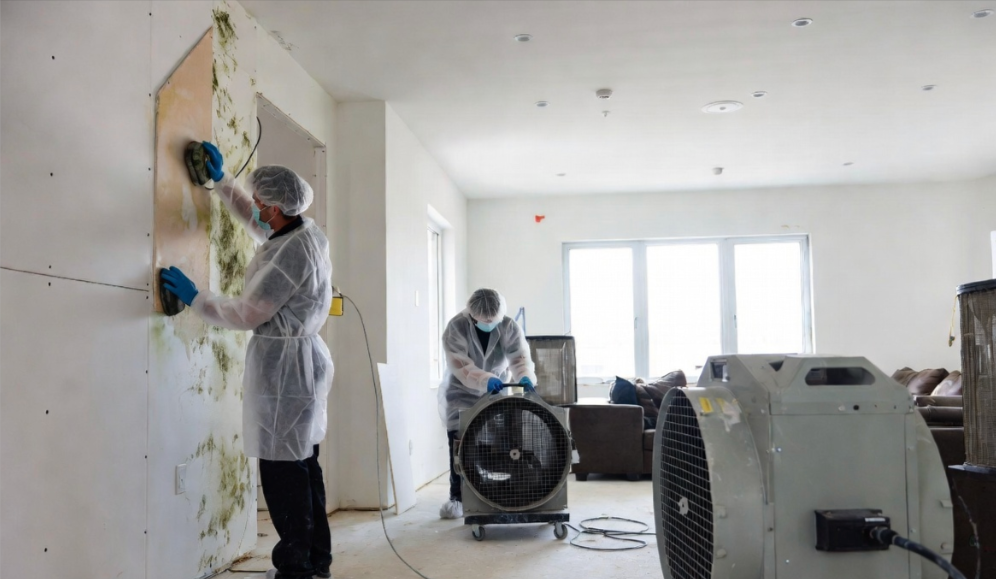
After the initial cleanup, it’s time to inspect your home for any signs of mold. Mold can begin to develop within 24-48 hours after flooding, so the sooner you address the issue, the better. If you spot mold, it’s essential to have it professionally removed. At Utah Flood Guys, we specialize in mold removal, ensuring your home is safe and healthy.
7. Call the Professionals
While DIY efforts can help in the short term, it’s wise to call in the experts when your home has been flooded. Utah Flood Guys offer comprehensive restoration services tailored to your unique situation. Our team will assess the damage, carry out water extraction, and ensure your home is restored to its former glory.
Conclusion
Flooding due to heavy rain can be daunting, but knowing the essential steps to take can help you manage the situation more effectively. Always prioritize safety, act quickly, and rely on the expertise of professionals. At Utah Flood Guys, we’re committed to providing the best disaster recovery services in Utah, so you never have to face the challenges of flooding alone! Stay safe and dry!
You might also like
Utah Flood Guys Blog