How to Permanently Get Rid of Mold: Effective Solutions for Your Home
When it comes to maintaining a healthy home, mold is one of those unwelcome guests you definitely want to avoid. Not only can it tarnish your living space, but it can also pose serious health risks for you and your loved ones. If you’ve spotted mold in your home, don’t panic! At Utah Flood Guys, we're here to help you understand the best steps to effectively combat mold and ensure it never returns.
Understanding Mold
Mold thrives in damp, dark spaces and can appear in various colors – black, green, yellow, or white. It can grow anywhere there is moisture, which is why basements, bathrooms, and areas with previous water damage are particularly susceptible. Before embarking on a mold removal journey, it’s important to identify the source of moisture to prevent mold from re-establishing itself.
Step 1: Identify & Fix the Source of Moisture
The first step in banishing mold for good is to tackle any moisture issues in your home. Check your plumbing for leaks, ensure your gutters are clean and directing water away from your foundation, and consider using a dehumidifier in areas prone to humidity. If you notice water stains on walls or ceilings, it’s crucial to address those leaks promptly. By eliminating excess moisture, you’ll create an environment that’s less hospitable to mold.
Step 2: Contain the Mold
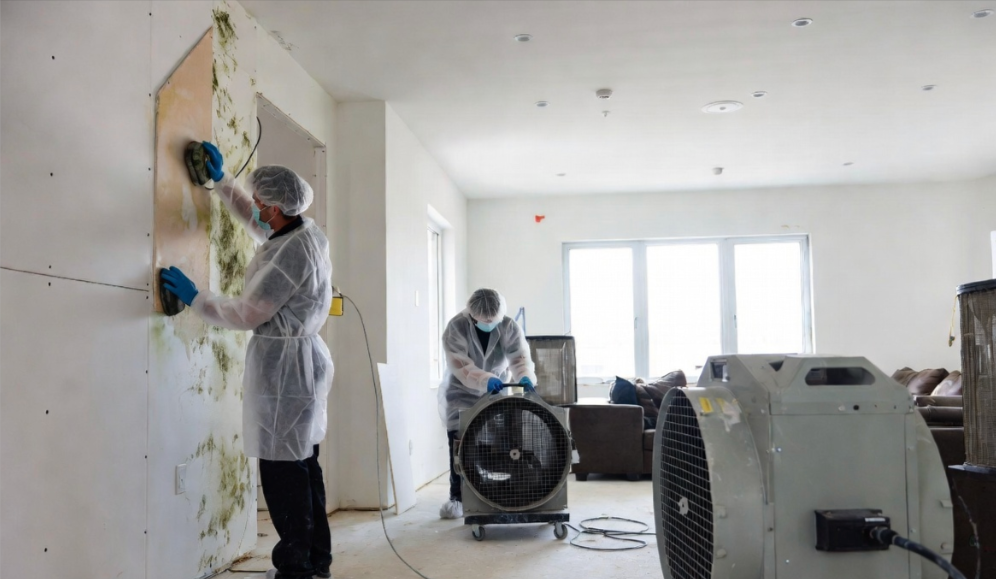
Before you dive into cleaning, it’s vital to contain the mold to prevent spores from spreading throughout your home. Seal off the affected area using plastic sheeting, and ensure good ventilation by opening windows. Wearing protective gear, including gloves, goggles, and a mask, will also keep you safe while you work.
Step 3: Clean & Remove the Mold
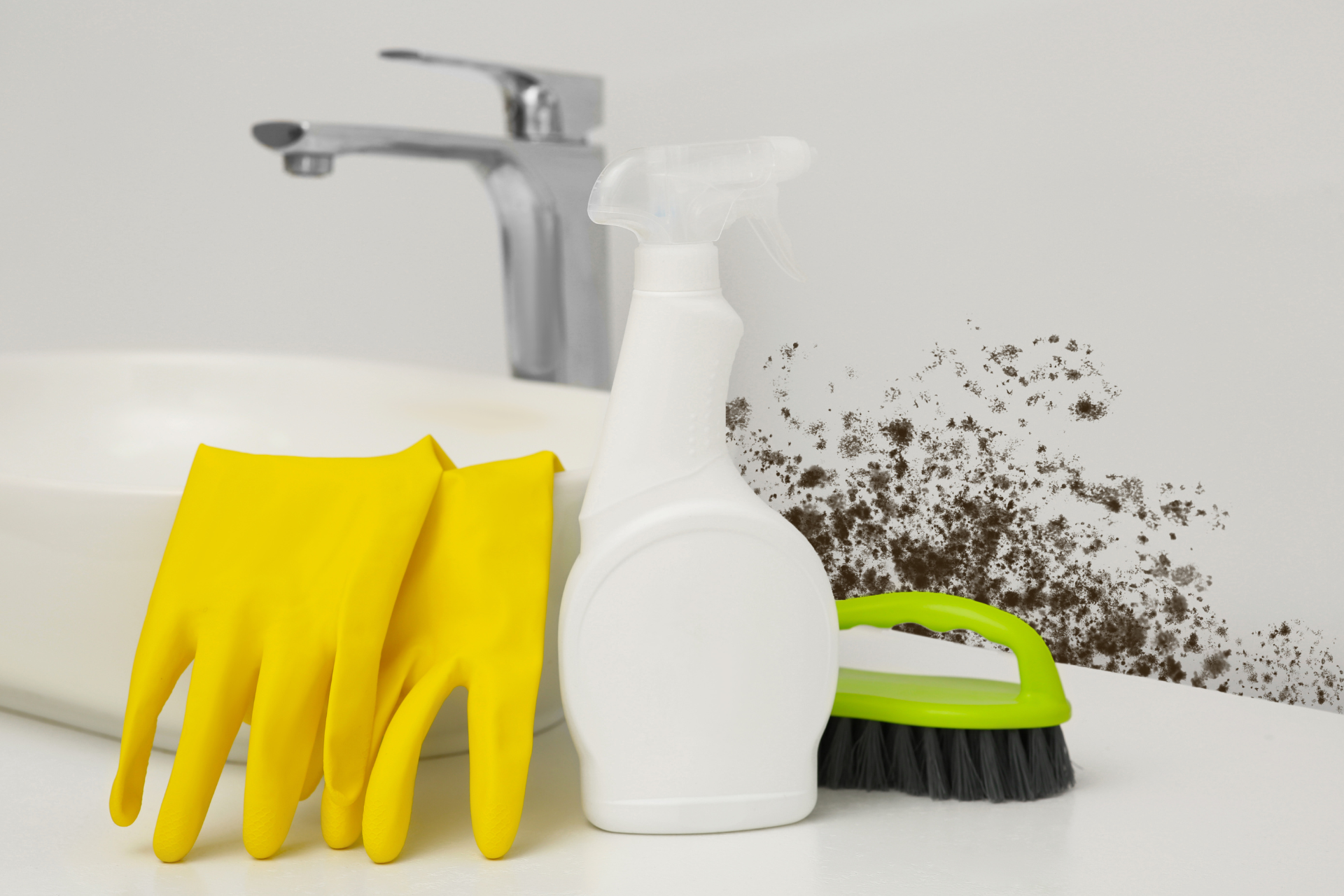
For minor mold infestations, you can tackle the problem yourself. A mixture of water and soap can be effective for cleaning hard surfaces. For tougher mold, consider using a solution of one cup of bleach in a gallon of water. Remember never to mix bleach with ammonia! Scrub the affected area thoroughly and rinse well to ensure all mold spores are removed.
If the mold has penetrated porous materials, like drywall or carpeting, it may be best to remove and replace these items, as they can house mold spores even after cleaning.
Step 4: Prevent Future Growth
Once your home is mold-free, the next step is prevention. Regularly inspect areas prone to moisture and ensure proper ventilation, especially in bathrooms and kitchens. Consider using mold-resistant products like paints and drywall when making home repairs.
Moreover, keeping humidity levels below 50% in your home can greatly reduce mold growth. This can be achieved by using dehumidifiers, fans, and ensuring that your home is properly air-conditioned.
When to Call in the Pros
If your mold problem is extensive or ongoing, or if you have health concerns, it’s time to call in the experts. At Utah Flood Guys, we specialize in mold removal and restoration services to ensure your home is safe and secure. We offer thorough assessments and effective solutions that tackle not just the mold you can see, but also the hidden sources that could lead to future issues.
With these effective steps, you can permanently rid your home of mold and enjoy a healthier living environment. Don’t let mold take control – take action today, and let us help you keep your home safe!
You might also like
Utah Flood Guys Blog