Common Causes of Water Damage in Utah Homes and How to Avoid Them
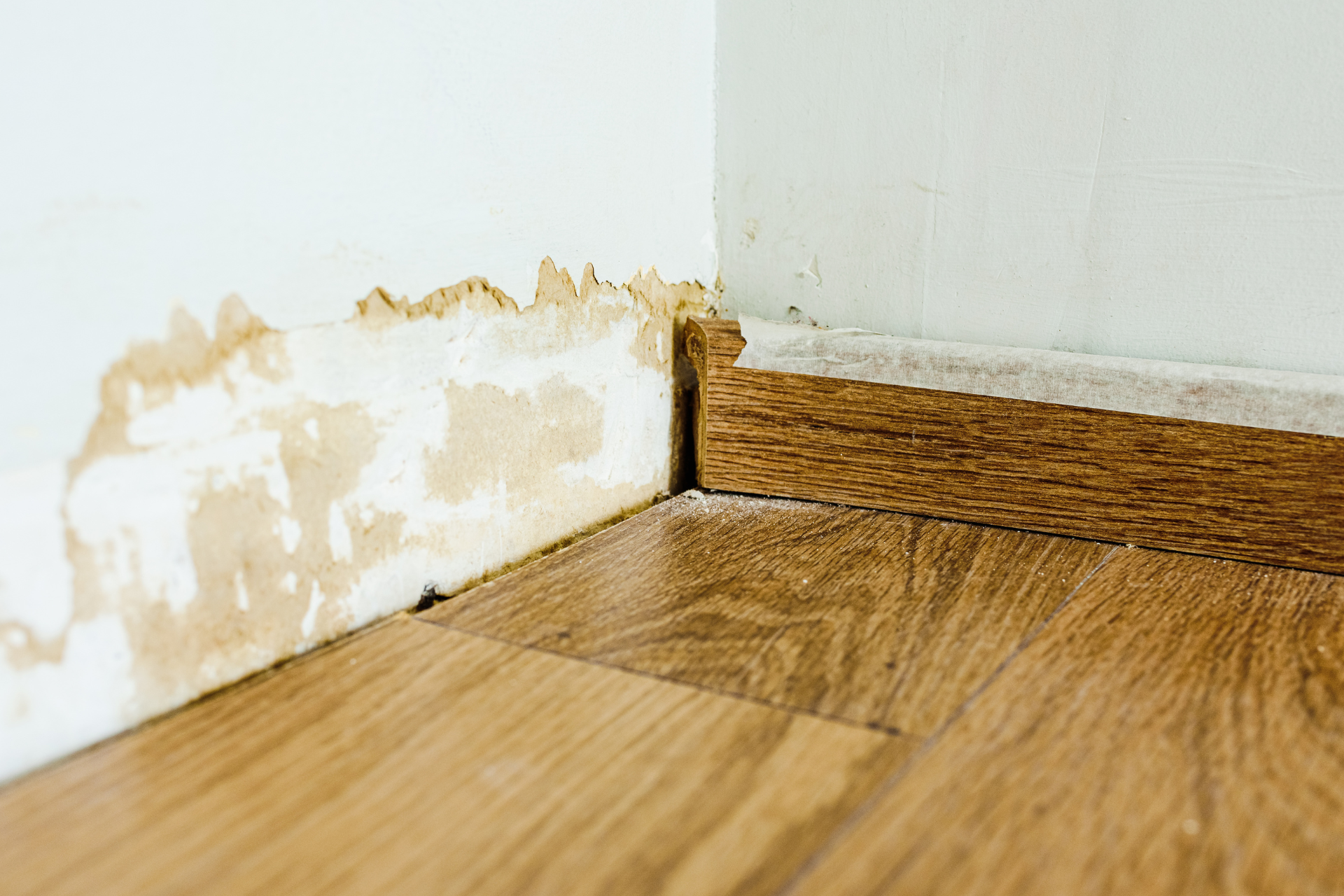
Living in Utah, we are surrounded by natural beauty and a stunning landscape. However, with the picturesque scenery also comes the potential risks of water damage to our homes. As the leading experts in disaster cleanup at Utah Flood Guys, we have seen firsthand the devastating effects that water damage can have on homes in Utah. In this blog post, we will delve into the common causes of water damage in Utah homes and provide you with valuable tips on how to avoid them.
1. Heavy Snow and Ice Dams
Utah is no stranger to harsh winter weather, and heavy snowfall can pose a significant threat to your home. One of the most common causes of water damage during the winter months is ice dams forming on your roof. As snow melts and refreezes, it can create a barrier of ice that blocks the proper drainage of water. This can lead to water seeping into your home, causing damage to your ceilings, walls, and insulation.
To avoid ice dams, make sure your attic is properly insulated and ventilated. Keeping your roof clear of snow and debris can also help prevent the formation of ice dams. If you notice ice building up on your roof, consider using a roof rake to safely remove it before it causes any damage.
2. Burst Pipes
Another common cause of water damage in Utah homes is burst pipes, especially during the freezing winter months. When water freezes inside your pipes, it can expand and cause the pipe to burst, leading to a major water leak in your home. This can result in extensive water damage to your floors, walls, and belongings.
To prevent burst pipes, make sure to insulate any exposed pipes in your home, especially those in unheated areas like your basement or attic. Keep your home at a consistent temperature, even when you are away, to help prevent pipes from freezing. If you plan to be away from your home for an extended period during the winter, consider shutting off the main water supply and draining your pipes to avoid any potential disasters.
3. Leaky Roofs and Foundation
Utah experiences its fair share of rainfall throughout the year, and leaky roofs and foundations are common culprits of water damage in homes. Cracks in your roof or foundation can allow water to seep in, leading to mold growth, structural damage, and other issues.
To prevent water damage from leaky roofs and foundations, regularly inspect your home for any signs of water infiltration. Repair any cracks or damage to your roof or foundation promptly to prevent water from entering your home. Ensure your gutters are clean and free of debris to allow for proper drainage away from your home.
4. Plumbing Issues
Faulty plumbing fixtures or appliances can also contribute to water damage in Utah homes. Leaky faucets, overflowing toilets, and malfunctioning appliances like dishwashers or washing machines can cause water to accumulate and seep into your floors and walls, leading to costly repairs.
To avoid plumbing-related water damage, routinely inspect your plumbing fixtures and appliances for any signs of leaks or damage. Replace worn-out hoses on your appliances regularly and address any plumbing issues promptly to prevent water damage in your home.
At Utah Flood Guys, we understand the devastating impact water damage can have on your home. By being proactive and taking preventive measures, you can minimize the risk of water damage and protect your home from potential disasters. If you do experience water damage in your home, don't hesitate to contact our team of experts for fast and reliable disaster cleanup services. We are here to help you restore your home and peace of mind after a water damage emergency. Stay safe and dry, Utah!
You might also like
Utah Flood Guys Blog