The Health Risks of Mold Exposure and How to Protect Your Family
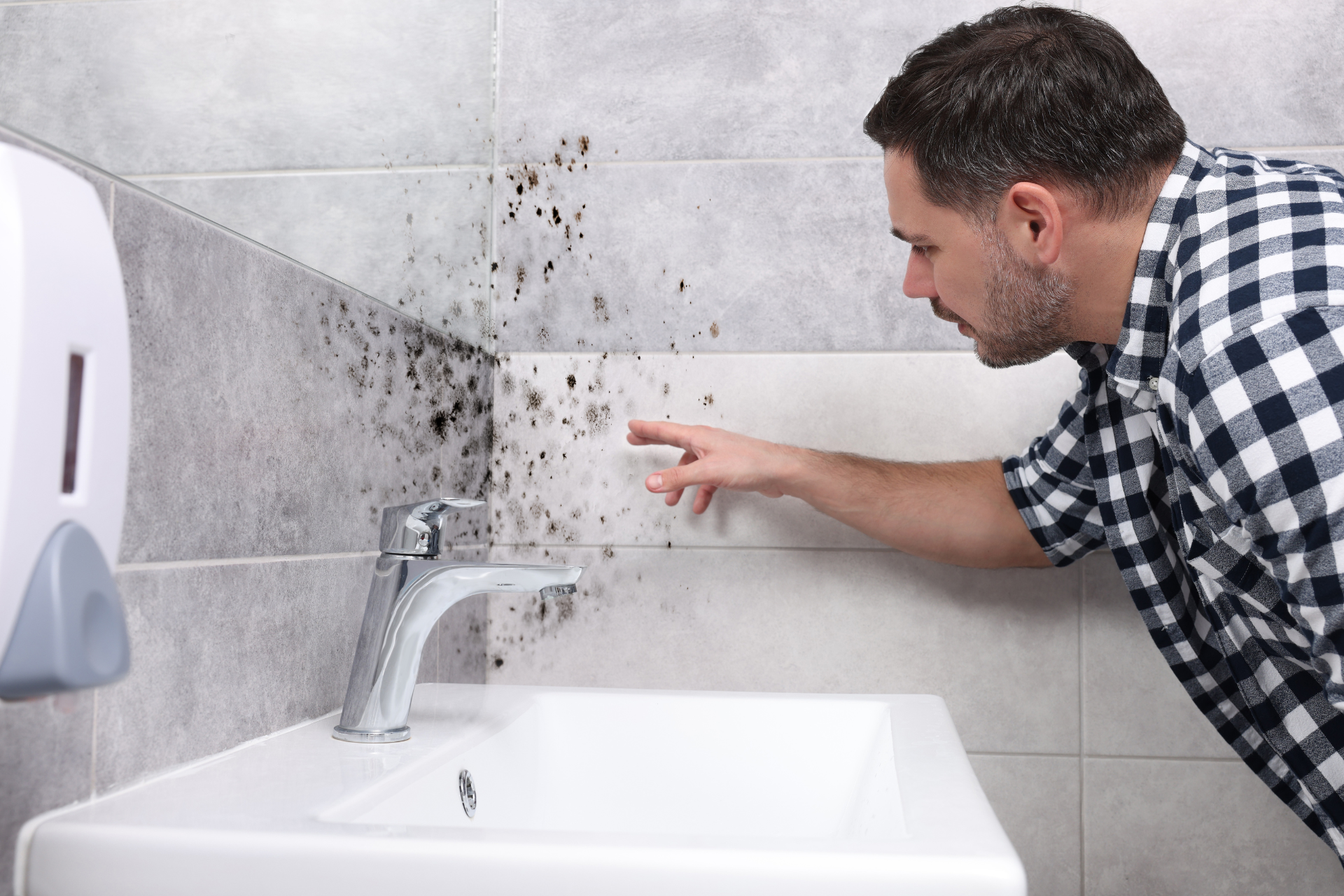
Hello, fellow Utah residents! Today, we're going to talk about a silent threat that could be lurking in your home and jeopardizing your family’s health—mold. Mold is not just an unsightly nuisance; it can also pose serious health risks if left unchecked. As your go-to restoration experts here at Utah Flood Guys, we're here to shed light on the dangers of mold exposure and share some tips on how you can protect your loved ones.
First off, what exactly is mold and why is it harmful? Mold is a type of fungus that thrives in damp, humid environments. It reproduces by releasing tiny spores into the air, which can then be inhaled or come into contact with your skin. While some types of mold are harmless, others can produce mycotoxins that are toxic to humans. Prolonged exposure to mold and its spores can lead to a variety of health issues, especially for those with respiratory conditions or compromised immune systems.
So, what are the health risks associated with mold exposure? Here are some common symptoms that may indicate you or your family members have been exposed to mold:
1. Respiratory issues
Mold spores can trigger asthma attacks, worsen allergies, and cause coughing, wheezing, or shortness of breath.
2. Skin irritation
Contact with mold can lead to rashes, itching, or other skin issues.
3. Eye irritation
Mold spores in the air can irritate the eyes, causing redness, itchiness, or watery eyes.
4. Headaches and fatigue
Prolonged exposure to mold can lead to persistent headaches, fatigue, and difficulty concentrating.
5. Sinus infections
Mold exposure can also increase the risk of sinus infections and other upper respiratory problems.
Now that you're aware of the potential health risks, let's discuss how you can protect your family from mold exposure. Here are some practical tips to keep your home safe and mold-free:
1. Keep moisture under control
Mold thrives in damp environments, so it's essential to keep your home dry and well-ventilated. Use dehumidifiers in areas prone to moisture build-up, such as basements and bathrooms.
2. Fix leaks promptly
Any water damage, no matter how minor, should be addressed immediately to prevent mold growth. Inspect your plumbing, roof, and windows regularly for leaks and get them fixed as soon as possible.
3. Clean and disinfect regularly
Regular cleaning can help prevent mold growth. Use mold-resistant products in areas prone to dampness, such as bathrooms and kitchens.
4. Monitor indoor humidity levels
Invest in a hygrometer to measure the humidity levels in your home. Ideally, you want to keep the humidity below 60% to prevent mold growth.
5. Ensure proper ventilation
Proper airflow is crucial in preventing moisture build-up. Use exhaust fans in bathrooms and kitchens, and open windows when weather permits.
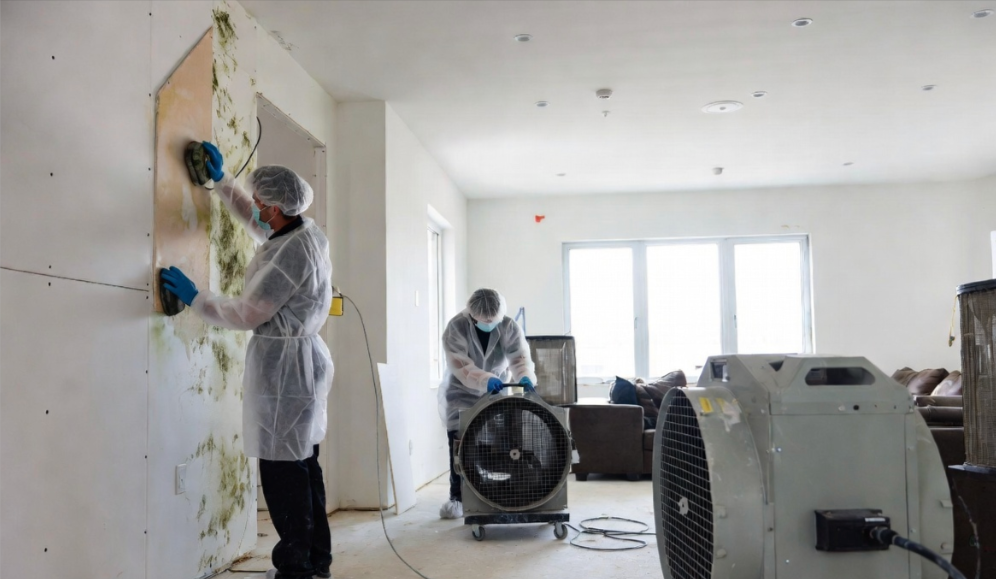
If you suspect mold in your home or have experienced water damage, don't hesitate to contact the experts at Utah Flood Guys. Our team of experienced professionals can help with mold removal, water damage restoration, and fire damage cleanup. Your family's health and safety are our top priorities, and we're here to provide you with reliable, efficient, and compassionate service.
In conclusion, mold exposure can have serious health implications, but with proactive measures and professional assistance, you can keep your family safe and your home mold-free. Stay vigilant, take action against moisture build-up, and remember that you're not alone in dealing with mold-related issues. Utah Flood Guys are here to support you every step of the way. Stay safe, stay healthy, and let's keep our homes mold-free!
You might also like
Utah Flood Guys Blog