Winter Storm Damage: What to Do After the Snow Melts
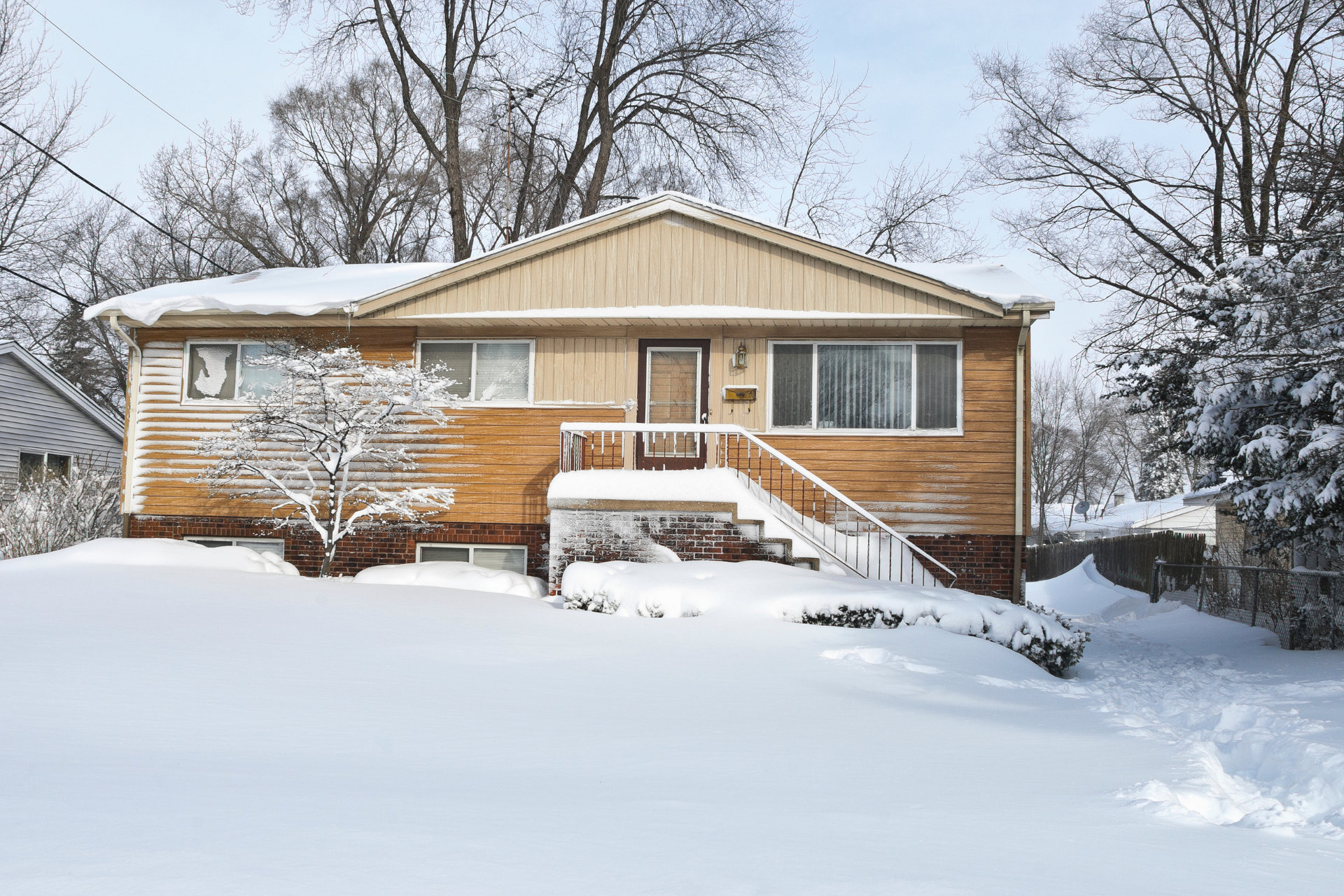
Winter storms can wreak havoc on homes and businesses, leaving behind a trail of destruction once the snow finally melts away. If your property has been impacted by a winter storm, it's important to take swift action to mitigate further damage and begin the cleanup process. As experts in disaster cleanup, Utah Flood Guys is here to guide you through the necessary steps to restore your property to its pre-storm condition.
Assess the Damage
The first step after a winter storm is to assess the extent of the damage to your property. Look for any visible signs of water damage, such as water stains on walls or ceilings, soggy carpets, or standing water in basements or crawlspaces. Check for mold growth, which can be a common issue after prolonged periods of moisture. Take note of any structural damage, broken windows, or compromised roofing. By thoroughly assessing the damage, you can better understand the scope of the cleanup and restoration process.
Contact Your Insurance Provider
Once you have a clear picture of the damage, contact your insurance provider to report the incident. Document the damage with photos and videos to support your claim. Be sure to keep any receipts for expenses related to the cleanup and restoration process, as these may be covered by your insurance policy. Utah Flood Guys can work with your insurance company to streamline the claims process and ensure that you receive the coverage you are entitled to.
Begin the Cleanup Process
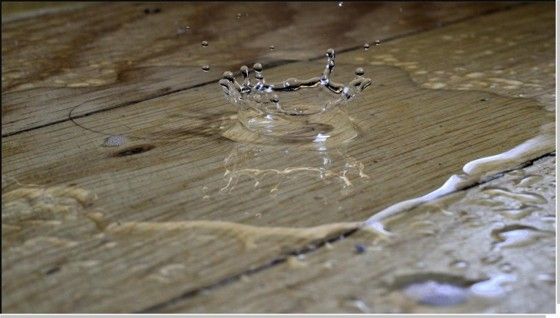
It's crucial to begin the cleanup process as soon as possible to prevent further damage to your property. Remove any standing water using pumps or wet/dry vacuums, and use dehumidifiers to dry out the affected areas. Thoroughly clean and disinfect any surfaces that have come into contact with floodwater to prevent mold growth and potential health hazards. Utah Flood Guys offers professional water damage restoration services to effectively remove water, dry out structures, and restore your property to its pre-storm condition.
Address Mold Growth
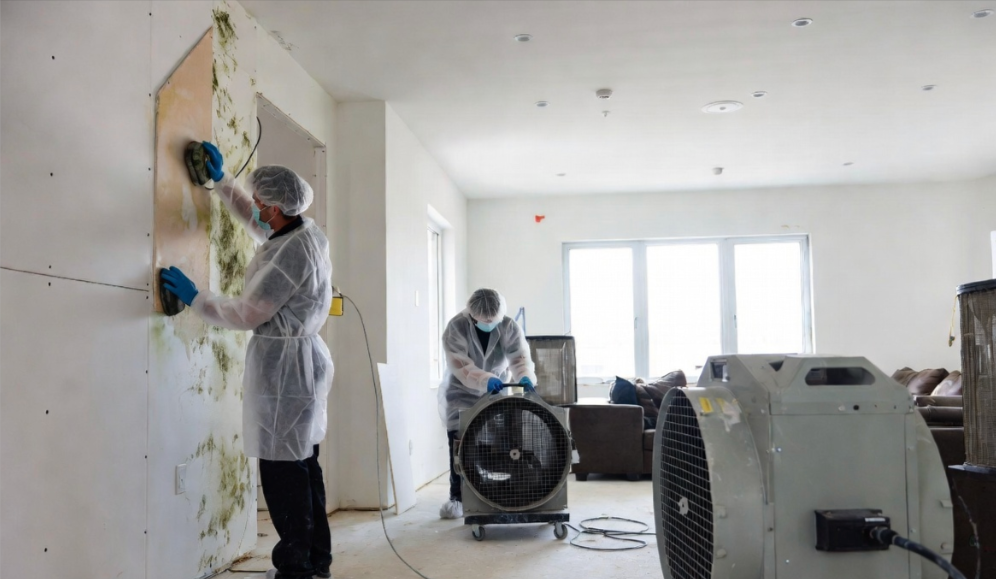
Mold can quickly take hold in damp, humid environments, making it a common issue after a winter storm. If you suspect mold growth in your home or business, it's essential to address it promptly to prevent further damage and safeguard your health. Utah Flood Guys provides professional mold removal services to effectively eliminate mold and prevent its return. Our team uses industry-leading techniques and equipment to safely remediate mold and restore a healthy indoor environment.
Repair and Restore Your Property
Once the cleanup process is complete, it's time to focus on repairing and restoring your property. This may involve repairing structural damage, replacing damaged materials, and restoring damaged areas to their pre-storm condition. Utah Flood Guys offers comprehensive restoration services for residential and commercial properties, including fire damage restoration, water damage repair, and mold remediation. Our experienced technicians will work diligently to restore your property efficiently and effectively.
Winter storms can leave a lasting impact on homes and businesses, but with prompt action and professional assistance, you can recover from the damage and restore your property to its former glory. Utah Flood Guys is here to support you every step of the way, providing expert disaster cleanup and restoration services tailored to your specific needs. Contact us today to learn more about our services and how we can help you recover from winter storm damage. Stay safe and prepared this winter season!
You might also like
Utah Flood Guys Blog