What Type of Mask Should You Use for Mold Removal?
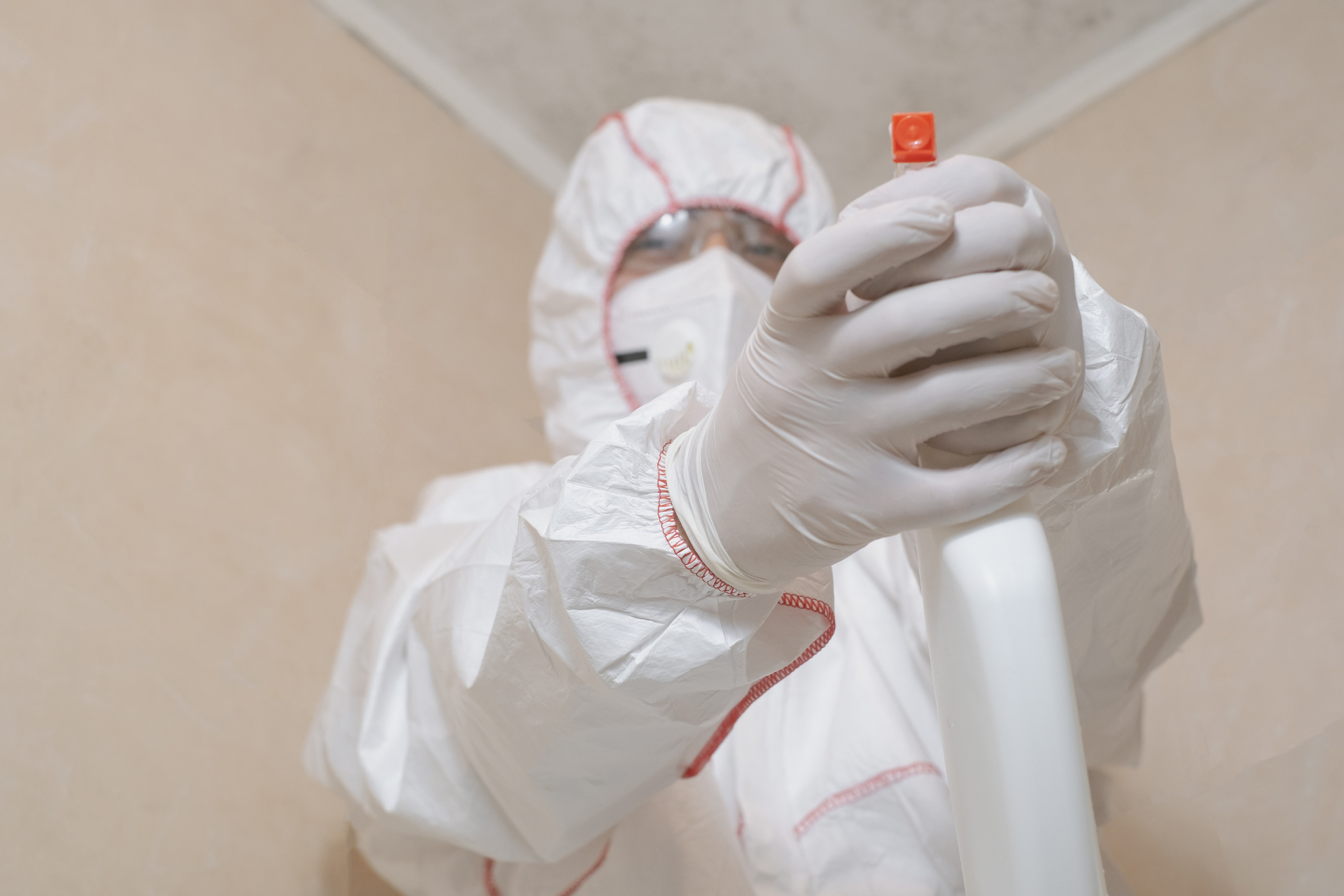
When it comes to dealing with mold, safety is an absolute priority. If you’ve ever faced a mold problem in your home or business, you know it’s not just an unsightly inconvenience; it can pose serious health risks as well. At Utah Flood Guys, we understand that removing mold isn’t just about scrubbing the surfaces. It’s about protecting yourself while you tackle the task. One of the most crucial items in your arsenal during mold removal is the right mask. But with so many options out there, which one should you choose? Let’s break it down.
1. Understanding Mold and Its Risks
Mold spores float through the air and can be harmful when inhaled. Some people might experience allergic reactions, while others could develop more severe respiratory issues. That’s why your first line of defense should be personal protective equipment, notably a good mask.
2. N95 Respirators
For most household mold removal tasks, N95 respirators are often recommended. These masks filter out at least 95% of airborne particles, including mold spores. An N95 mask is comfortable, lightweight, and provides a snug fit, making it a popular choice for DIYers tackling small to moderate mold situations. You can usually find these at local hardware stores or online, and they are relatively inexpensive.
3. P100 Respirators
If you’re dealing with significant mold growth—perhaps in a basement or after a major water leak—you might want to upgrade to a P100 respirator. This type of mask filters out at least 99.97% of airborne particles, including very small mold spores. P100 masks come in half-face or full-face varieties and provide a higher level of protection. They’re a great choice for more extensive remediation projects, especially when you’re working in tight or poorly ventilated spaces.
4. Full-Face Respirators
For those really tough mold-removal jobs, a full-face respirator might be necessary. These masks provide an airtight seal and protect your eyes as well. This is especially important if you’re using chemical cleaners that can irritate your eyes or respiratory system. Always choose a full-face respirator with P100 filters for a comprehensive layer of protection.
5. Other Considerations
When selecting the right mask, consider the fit and comfort. A poorly fitted mask won’t provide the protection you need, so ensure it forms a proper seal around your face. Also, think about the duration of your exposure; for longer projects, comfort becomes even more critical.
6. Additional Gear
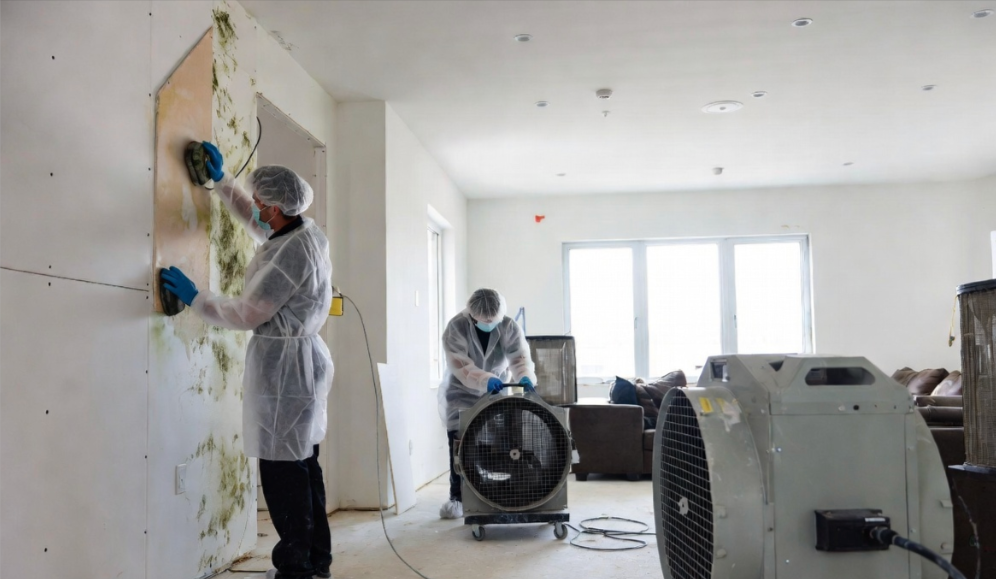
While masks are essential, they’re not your only line of defense. Always pair your mask with other protective gear, such as gloves and goggles. Proper clothing that covers your skin is also a must, as mold can irritate or cause allergic reactions.
Conclusion
Mold removal should never be taken lightly. Whether you're a DIY enthusiast or calling in the professionals at Utah Flood Guys, understanding the right type of mask to use is vital for your safety. From N95 to P100 and full-face respirators, there’s a mask for every mold removal scenario. Remember, taking precautions today can help you breathe easier tomorrow. If you find yourself overwhelmed by mold, don’t hesitate to reach out to our team for help—we’re here to ensure your space is clean and safe!
You might also like
Utah Flood Guys Blog