What to Do Immediately After a House Fire
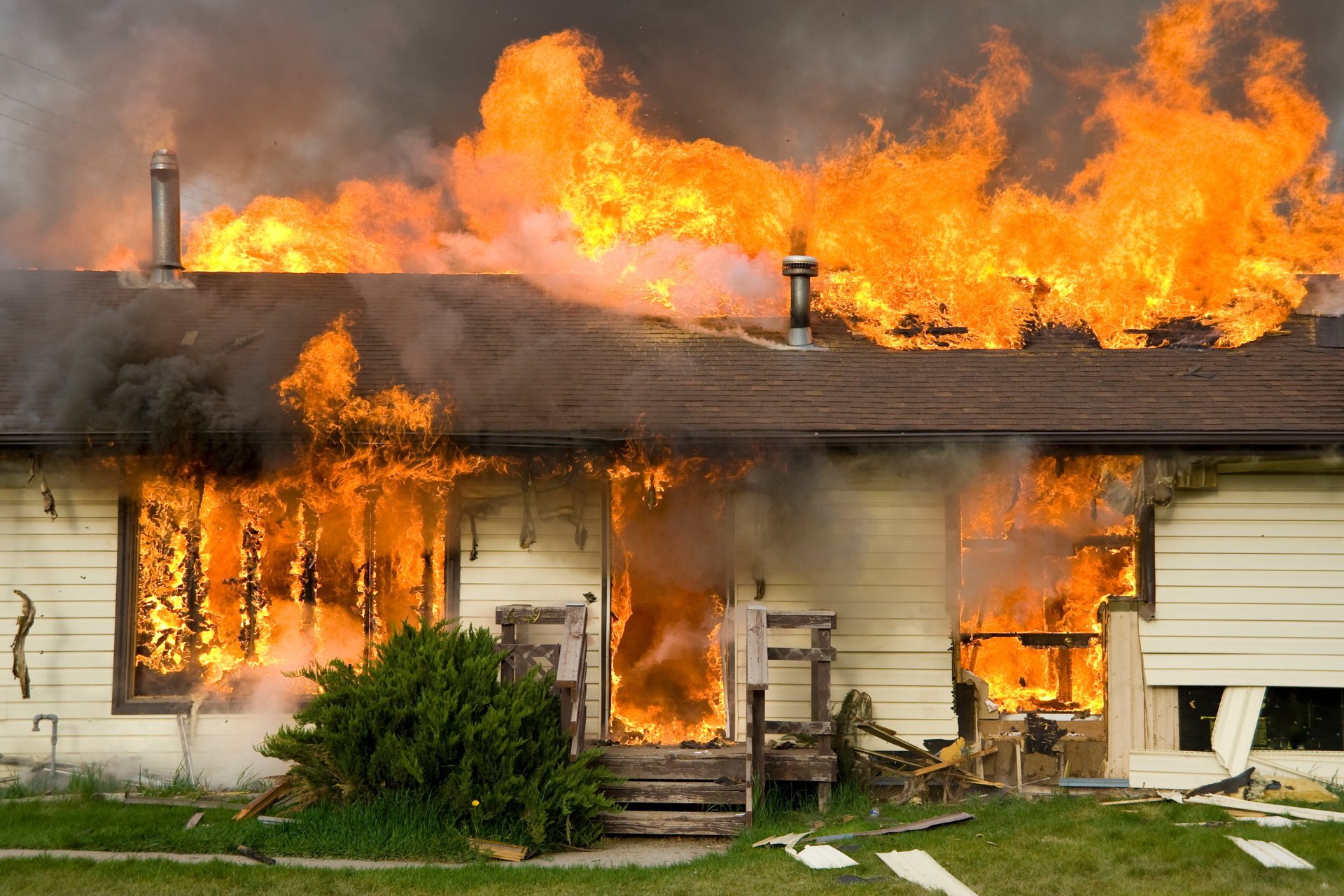
Imagine the unthinkable happens – a fire breaks out in your home. The flames ravage through your space, leaving behind devastation and fear. In the aftermath of a house fire, it's easy to feel overwhelmed and unsure of what steps to take next. However, with the right information and guidance, you can navigate through this tough situation. This blog post, brought to you by Utah Flood Guys, a trusted restoration company in Utah, will walk you through essential steps to take immediately after a house fire.
1. Ensure Safety First
The most crucial step after a house fire is to prioritize safety. As soon as you are alerted about the fire, evacuate the premises along with your family and pets. Once outside, stay a safe distance away from the house and wait for the firefighters to arrive. Do not re-enter the property until it has been deemed safe by the authorities.
2. Contact Emergency Services
Call 911 or your local fire department as soon as possible to report the fire. The firefighters will work to extinguish the flames and ensure that everyone is safe. Additionally, inform the authorities if any family members are missing or if anyone has sustained injuries. Once the fire is under control, the fire department may conduct an investigation to determine the cause of the fire.
3. Assess the Damage
After the firefighters have extinguished the flames, you can assess the extent of the damage to your property. However, do not enter the premises until you receive the green light from the firefighters. Once you are allowed back in, carefully inspect the interior and exterior of your home. Take note of any structural damage, water damage from firefighting efforts, and areas that are unsafe.
4. Contact a Professional Restoration Company
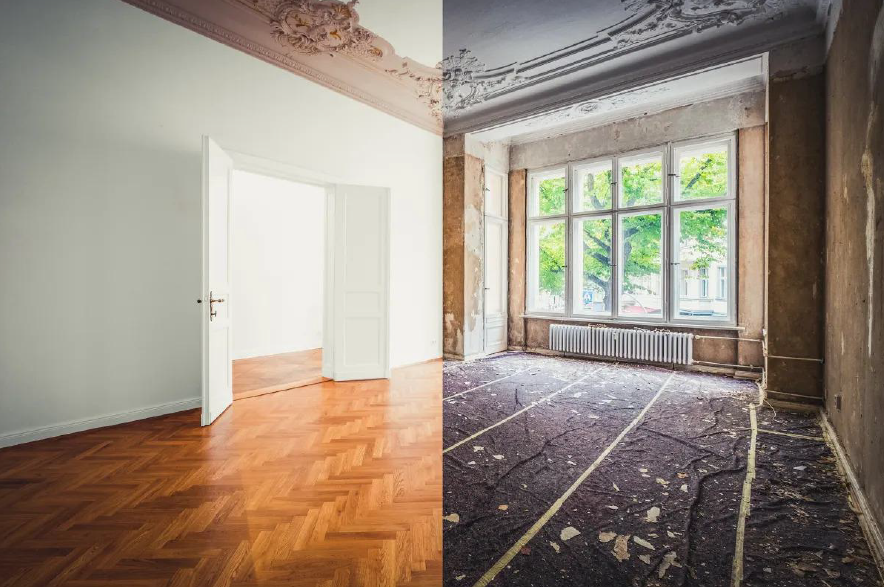
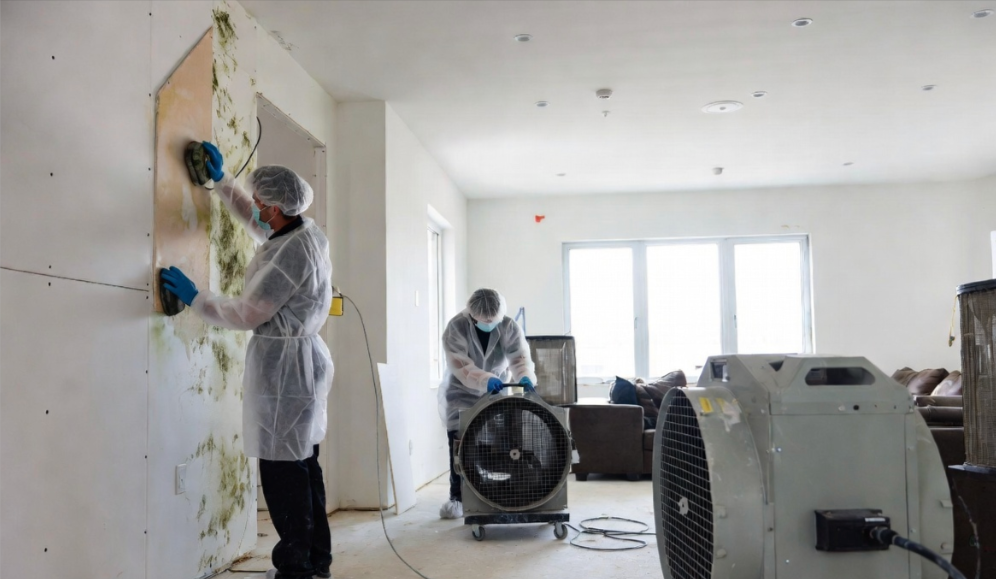
In the aftermath of a house fire, it is crucial to seek the assistance of a professional restoration company like Utah Flood Guys. Our experienced team can help you navigate through the complexities of fire damage restoration, ensuring that your property is restored to its pre-fire condition. Our services include smoke and soot removal, odor elimination, structural repairs, and content cleaning.
5. Document the Damage
Before any cleanup or restoration efforts begin, document the damage to your property by taking photographs and videos. This documentation will be crucial for insurance claims and ensuring that you receive the proper coverage for the damages incurred. Make sure to keep detailed records of all communication with your insurance company and restoration professionals.
6. Secure Your Property
After a house fire, your home may be vulnerable to looting and further damage. To prevent unauthorized access, secure your property by boarding up windows and doors, if necessary. Additionally, consider removing valuable items from the premises to a safe location until the restoration process is complete.
7. Seek Support
Dealing with the aftermath of a house fire can be emotionally draining. Reach out to friends, family, or a counselor for emotional support during this challenging time. Remember that it is okay to feel overwhelmed and seek help when needed.
In conclusion, experiencing a house fire can be a traumatic event, but by following these steps and seeking the help of professionals like Utah Flood Guys, you can start the process of rebuilding and restoring your home. Remember, safety is paramount, so always prioritize the well-being of yourself and your loved ones. Stay strong, and know that there is help available to guide you through this tough time.
You might also like
Utah Flood Guys Blog