Utah's Flood Zones: Is Your Home At Risk?
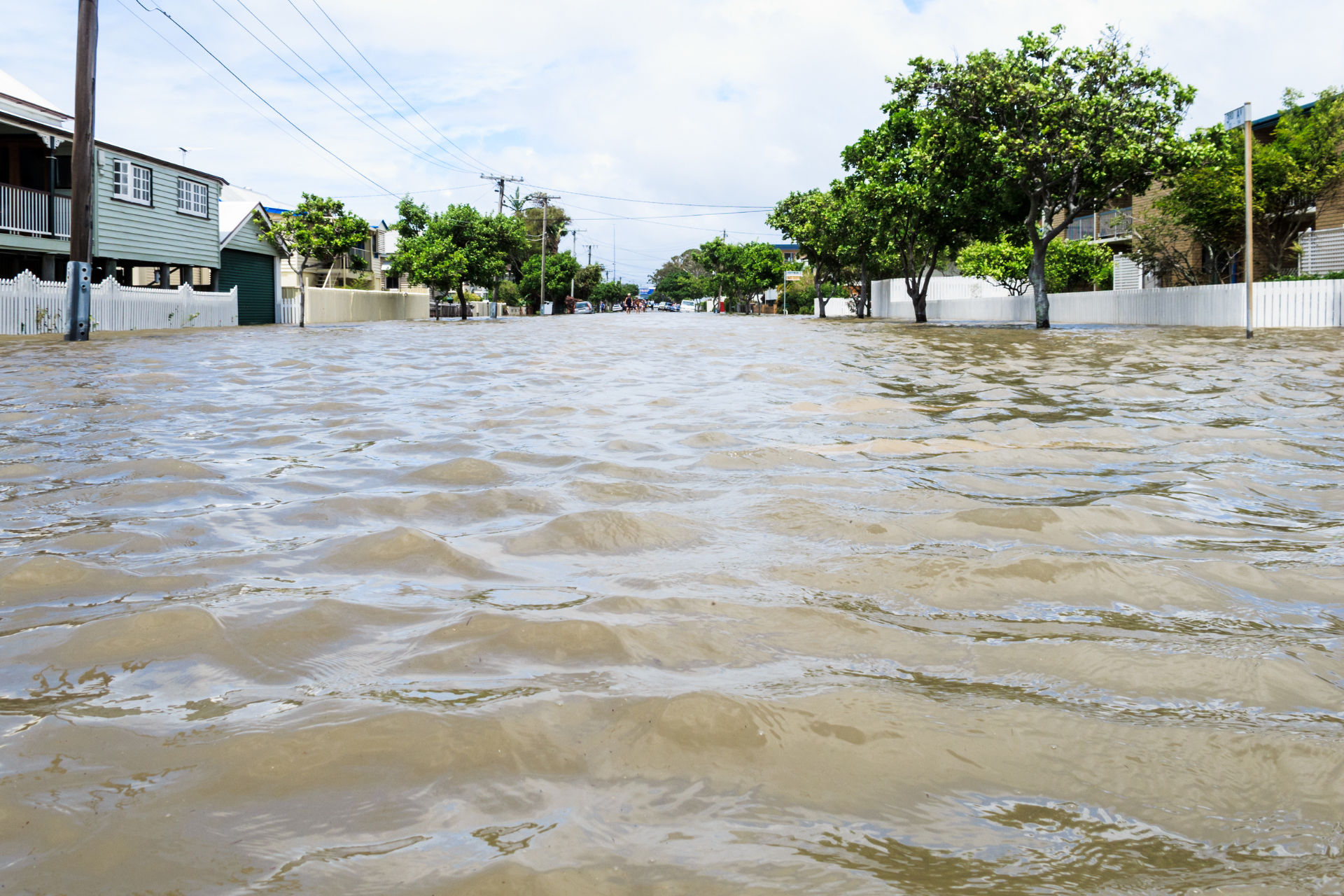
When we think of natural disasters, places like hurricanes and tornadoes often come to mind. However, Utah, with its stunning landscapes and picturesque mountains, is not immune to its own challenges—specifically, flooding. So, is your home at risk? Let’s dive into the details, so you can be prepared and stay safe.
Utah may not be known for its floods, but don't let that fool you. Certain areas in our beautiful state can be susceptible to water damage, especially following heavy rain, snowmelt, or rapid runoff. Flood zones can vary significantly, depending on factors like geography, elevation, and even proximity to rivers and lakes. Understanding these zones is essential for every Utah homeowner.
What Are Flood Zones?
Flood zones are areas that are at risk of flooding during a significant rainfall event. The Federal Emergency Management Agency (FEMA) designates these zones based on the likelihood of flooding, and they are mapped out so homeowners can assess their risk. In Utah, areas near rivers, streams, and lakes are often deemed flood zones, particularly in low-lying regions.
But don’t think you’re in the clear just because you don’t live in a designated flood zone. Urbanization, land development, and changing climate conditions can alter the way water flows. As a result, homes that have never seen flooding may face increased risk due to these shifting dynamics.
Signs Your Home Might Be at Risk
1. Location, Location, Location
If you live in a valley, near a river, or even a neighborhood that has experienced past flooding events, it’s worth taking a closer look at your property’s risk.
2. Heavy Rainfall Patterns
Utah has its own unique weather patterns, and prolonged heavy rain can overwhelm drainage systems. Keep an eye on forecasts and water levels in your region.
3. Poor Drainage
Does your yard have areas where water seems to pool? If your property doesn’t drain well, it might be prone to flooding, especially during storms or rapid snowmelt.
4. Basement Flooding
If you’ve experienced water intrusion in your basement, that’s a clear sign you should evaluate your risk and consider taking preventive measures.
What Can You Do?
If you suspect that your home may be vulnerable to flooding, don’t panic. There are steps you can take to mitigate the risks:
- Get Educated
Familiarize yourself with FEMA’s flood maps and understand your local area. Knowing your flooding risk can help you make informed decisions.
- Consider Flood Insurance
If you’re in a designated flood zone, the standard homeowner’s policy may not cover flood damage. Look into flood insurance options to protect your investment.
- Improve Drainage Systems
Check your gutters, downspouts, and drainage systems to ensure they’re free of debris and functioning correctly. Adding landscaping features that redirect water can also help.
- Create an Emergency Kit
Always be prepared for the unexpected. Keep an emergency kit with essentials like food, water, and first-aid supplies.
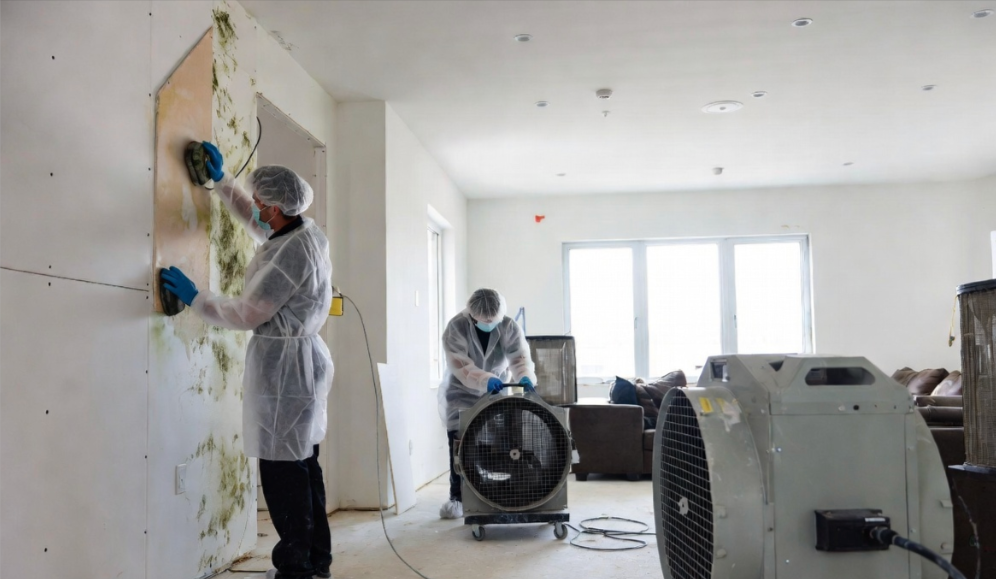
At Utah Flood Guys, we know that flooding can be a stressful experience, but you don’t have to face it alone. Whether you need help with water damage cleanup, mold remediation, or fire damage restoration, we’re here to support you every step of the way. Together, we can make your home safe and prepared for whatever Mother Nature throws our way. Stay informed, stay safe, and keep your home protected!
You might also like
Utah Flood Guys Blog